
Two Door Buffet Cupboard
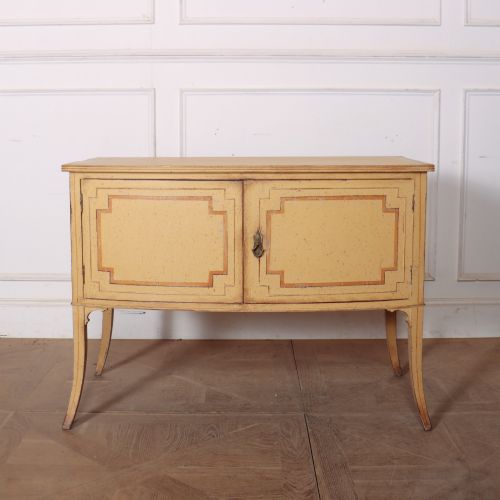
A two door buffet cupboard gives a room architectural weight while hiding everyday clutter behind timber panels.
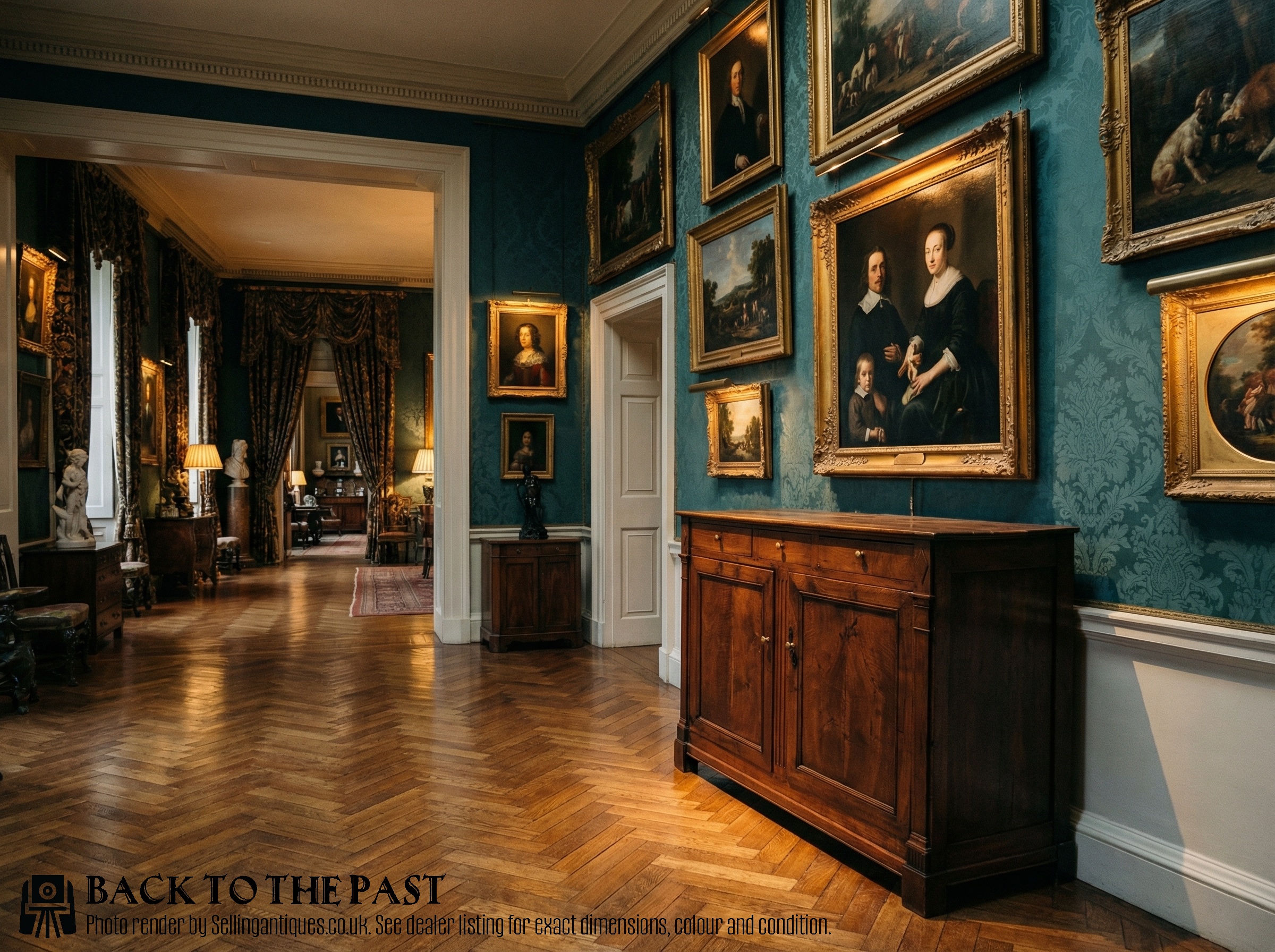
Two Door Buffet Cupboard
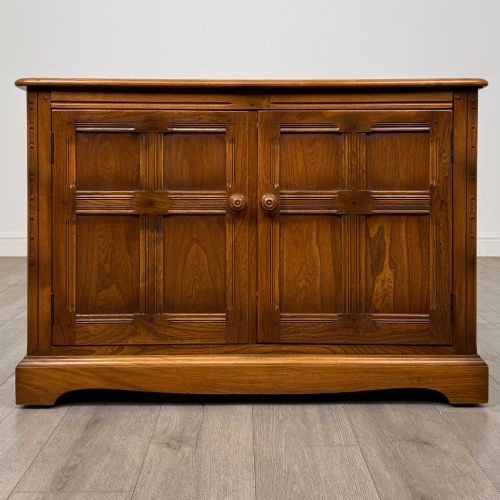
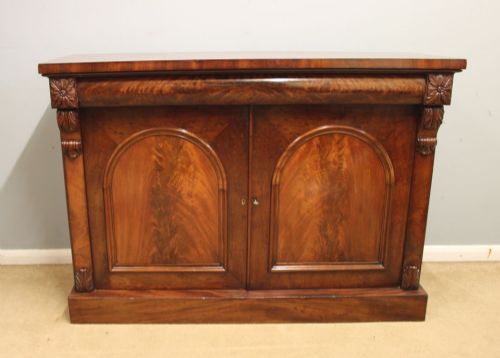
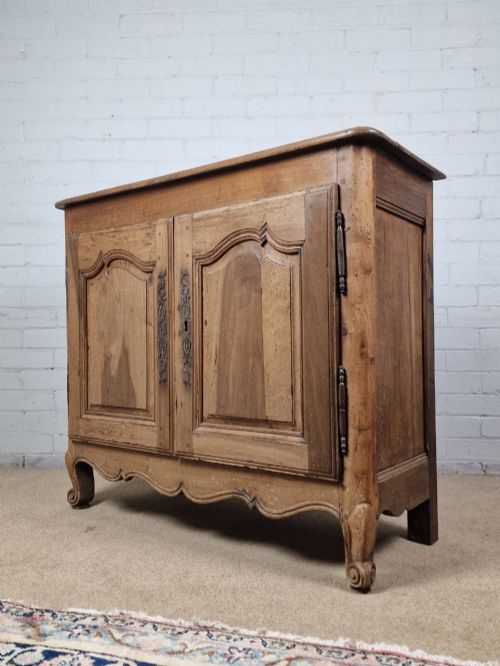
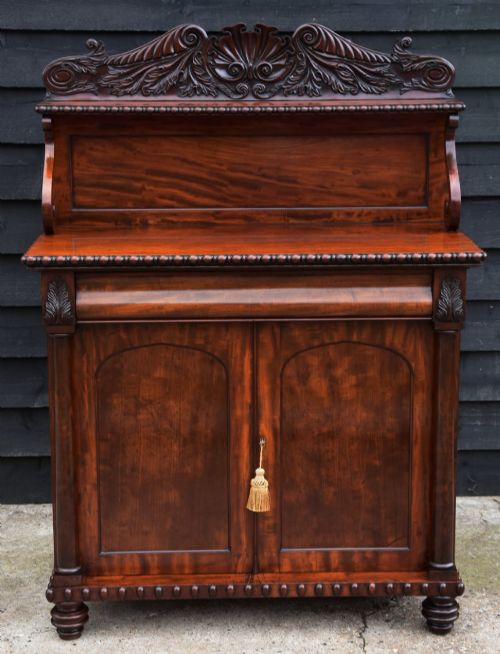
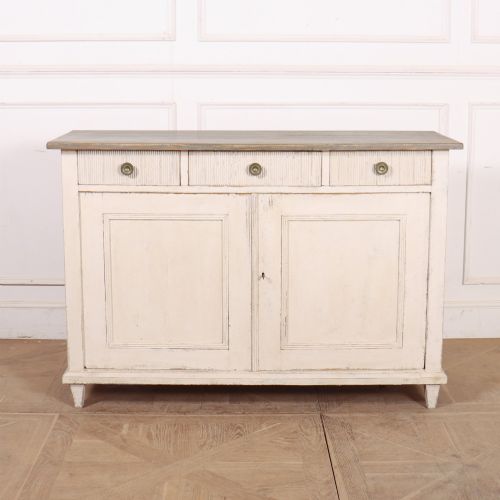
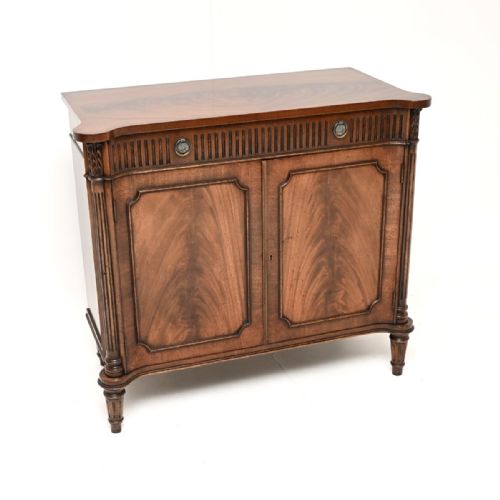
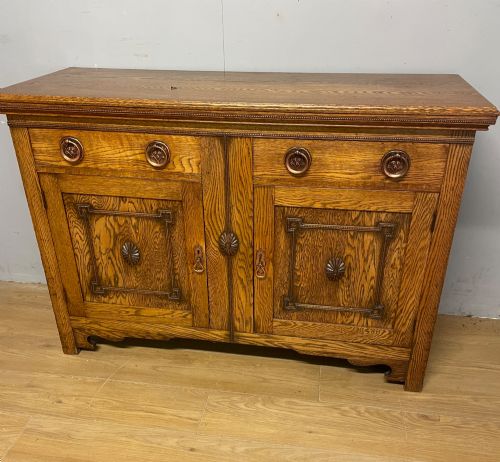
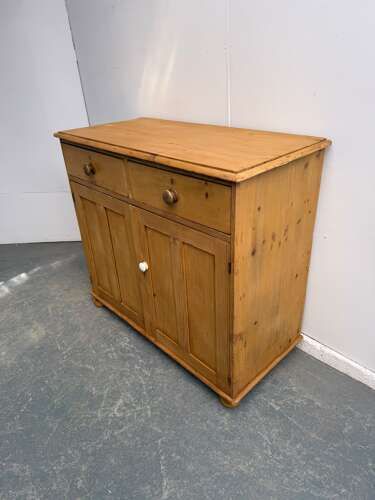
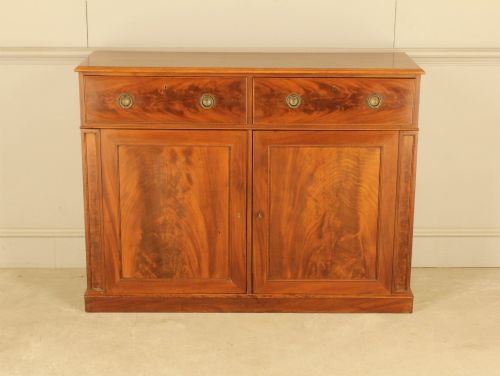
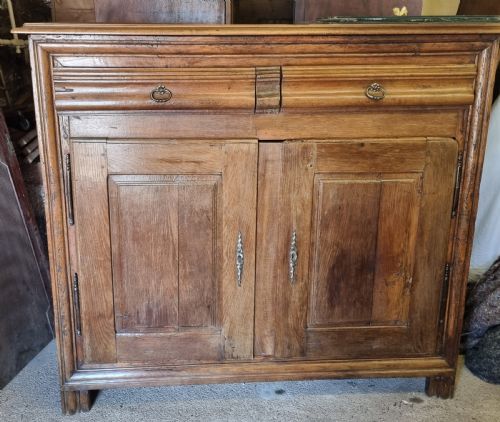
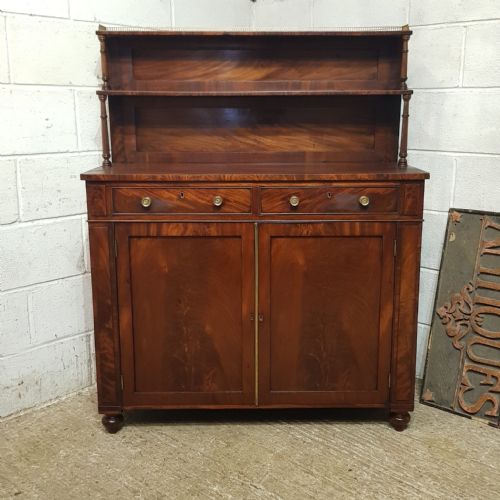
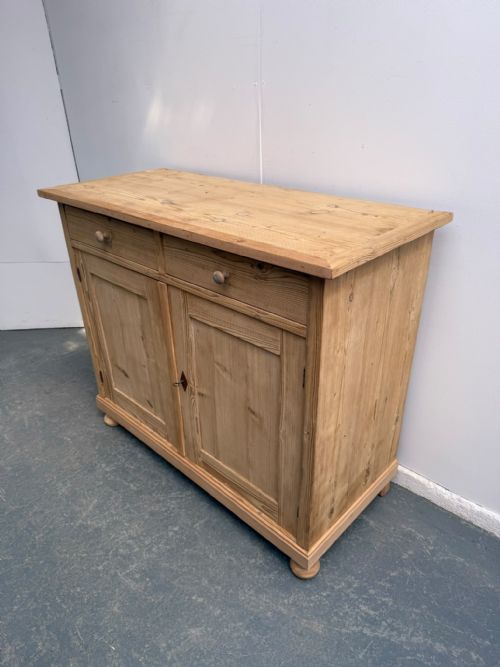
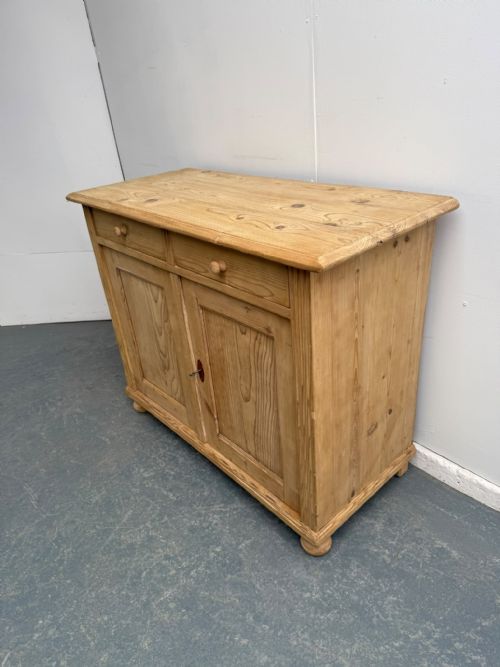
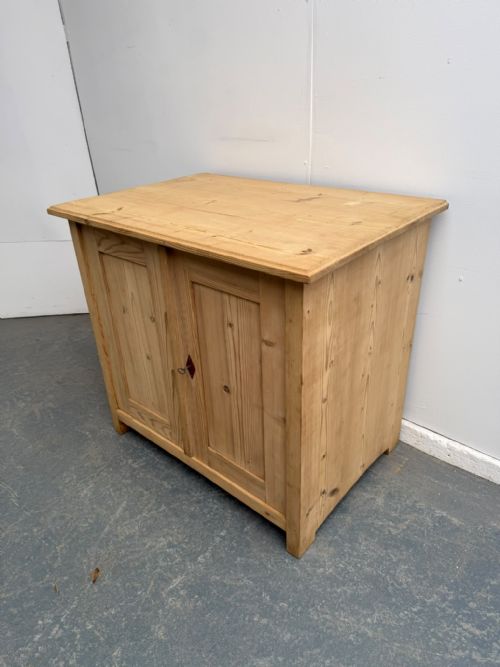
A two door buffet cupboard serves as a substantial storage piece, turning up in forms ranging from Georgian and Victorian pine dresser bases to refined Regency and Edwardian mahogany side cabinets. Buyers seeking this phrase encounter low storage units, tall school cupboards, and French provincial buffets designed to anchor a dining room, kitchen, or hallway.
The materials span native and continental timbers, featuring mahogany, oak, walnut, and pine, alongside painted or lacquered surfaces and occasional marble tops. Pieces arrive from English, French, and Scandinavian workshops, reflecting stylistic shifts from 17th-century walnut carving to clean-lined 20th-century golden oak.
How they were made
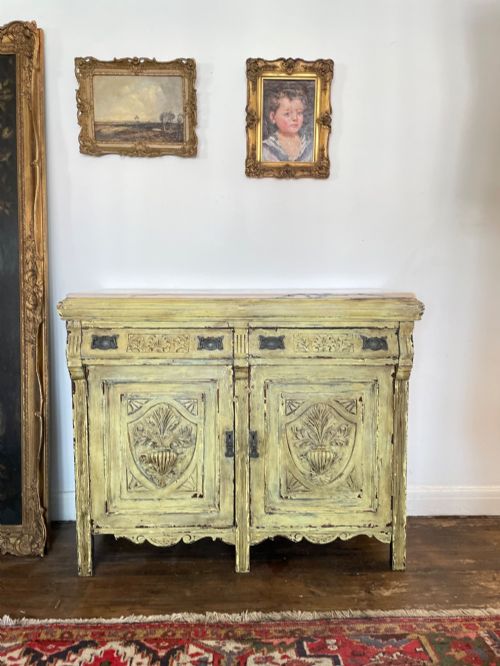
Cabinet makers constructed these pieces using solid hardwoods like oak, mahogany, and walnut, alongside utilitarian pine for kitchen and school storage units. Surfaces often received wax finishes, black lacquer, or painted treatments, occasionally paired with contrasting pink or white marble tops.
Hardware typically included brass handles and hinges, while decorative elements relied on natural wood grains, such as curl-mahogany veneers, or hand-carved Gothic and provincial detailing.
Listings feature two door buffet cupboards spanning the seventeenth to the twentieth centuries, built in pine, mahogany, oak, walnut, and cherrywood.
What varies in quality
Construction standards separate straightforward utilitarian pine storage from sophisticated cabinet work executed in figured timbers like curl-mahogany and walnut. Superior examples display refined proportions, thoughtful timber selection, and integrated decorative carvings or contrasting marble surfaces.
The integrity of the original hardware, the treatment of the wood finish - whether waxed, polished, or painted - and the crispness of any carved detailing dictate the standing of an individual piece.
Heals of London·Maple and Co
The Two Door Buffet Cupboard Glossary
- Chiffonier
- A low sideboard or cabinet featuring enclosed cupboards below, popular during the Regency and Victorian periods for serving or storage.
- Dresser base
- A lower kitchen or dining cabinet comprising two doors and drawers, designed without the upper plate rack.
- Japanned
- A style of European lacquering that emulates Asian decorative arts, often rendered in black with metallic motifs.
- Curl-mahogany
- Mahogany timber cut from the junction of a branch and the trunk, yielding a distinctive flame or feather grain pattern.
- Directoire
- A transitional French style bridging Louis XVI and Empire periods, characterised by neoclassical restraint and clean lines.
Two Door Buffet Cupboard: Frequently Asked Questions
Where should I place a two door buffet cupboard?
These cupboards suit dining rooms and kitchens for tableware storage, or hallways where a low profile provides surface space without blocking foot traffic.
Their enclosed doors keep everyday clutter out of sight while anchoring larger wall areas in living spaces.
How do I maintain a waxed pine finish?
Apply a traditional beeswax polish periodically using a soft cloth, buffing gently along the grain to preserve the timber's protective sheen.
Avoid placing these pieces near direct heat sources or in damp environments to prevent the wood from warping.
Can I paint a stripped pine cupboard?
Many pine dresser bases and storage units are suited to being painted or waxed according to your interior scheme.
Ensure the surface is clean and dry, then apply a suitable primer before finishing with traditional paints.
How do I tell Regency pieces apart from Victorian ones?
Regency pieces often display neoclassical restraint with clean mahogany veneers and restrained brass mounts dating from the early nineteenth century.
Victorian examples frequently present heavier proportions, sometimes utilising pine, oak, or elaborate carving typical of later decades.