


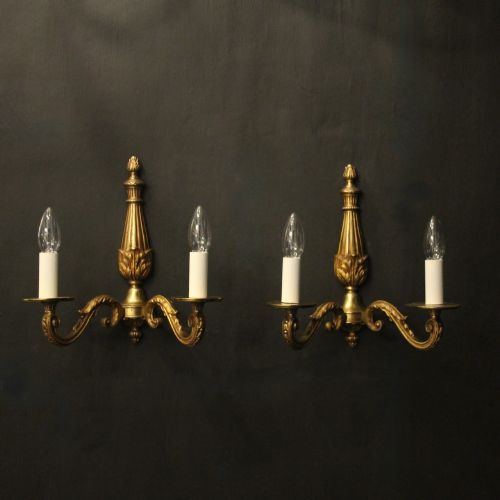
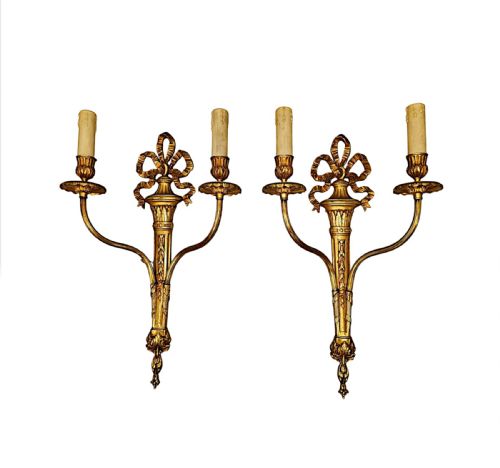
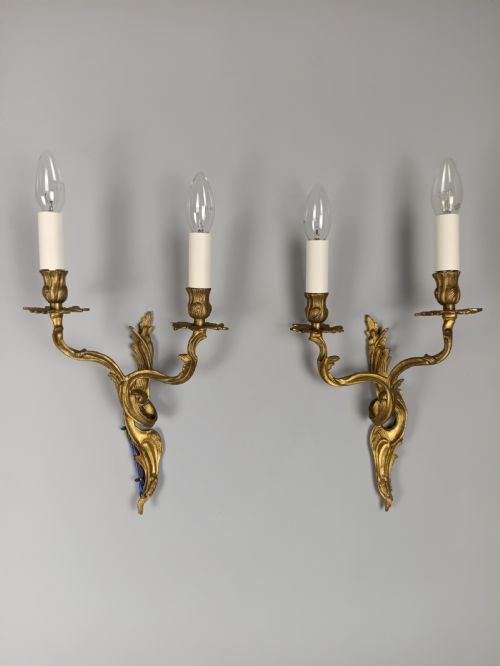
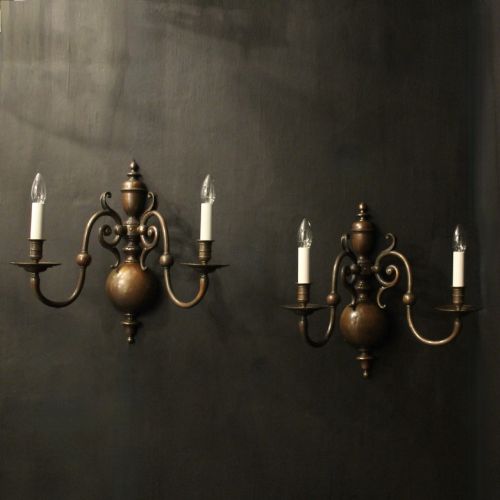
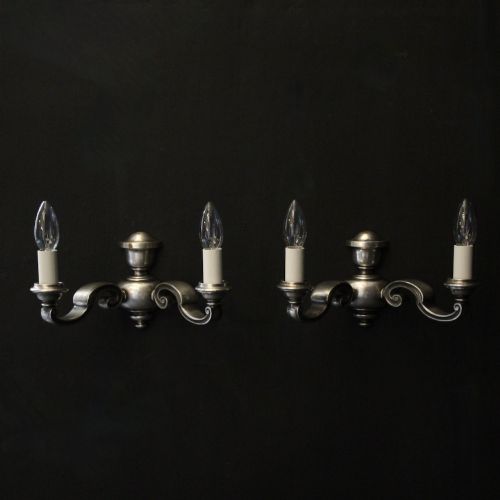
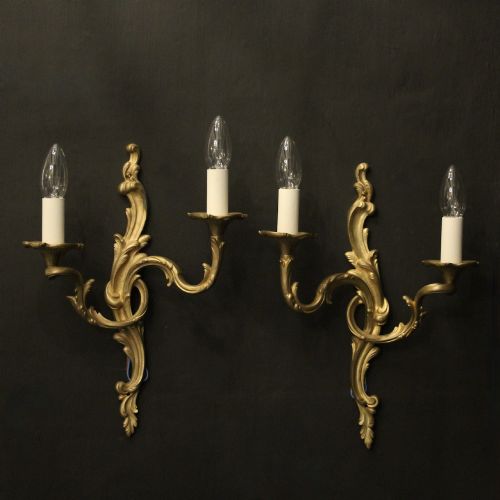
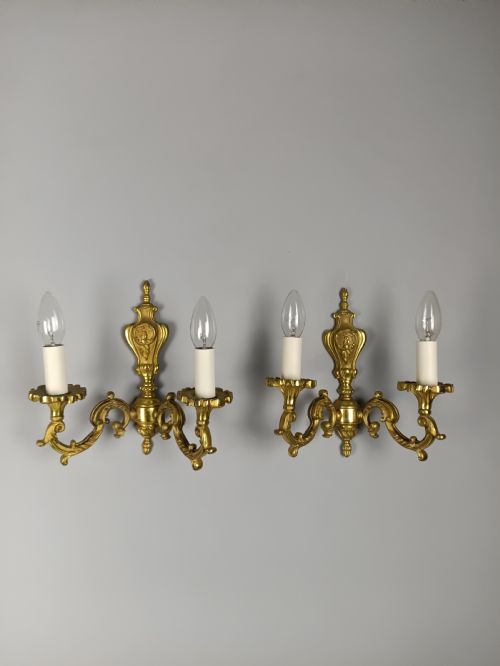
Twin Candle Wall Sconces
Twin candle wall sconces bring layered ambient light to a room through branching arms designed to hold a pair of candles or electric lamps.
Twin Candle Wall Sconces
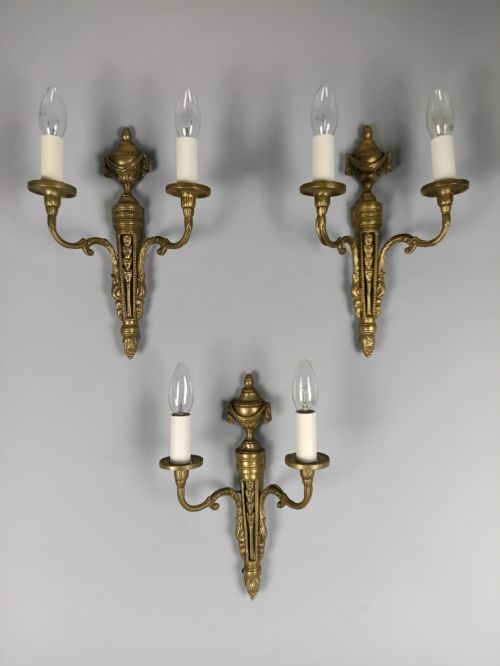
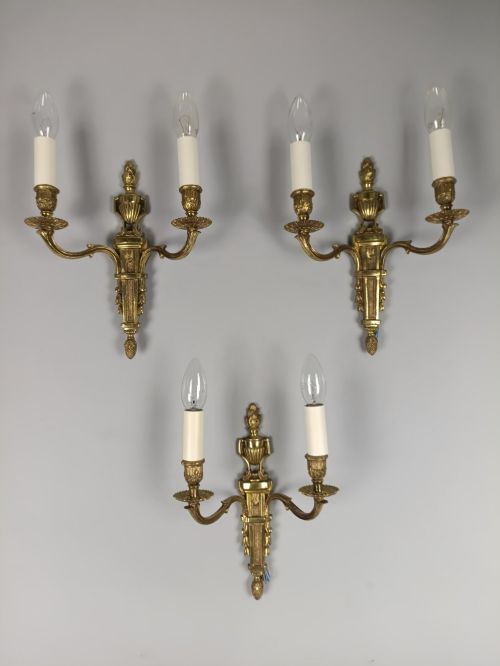
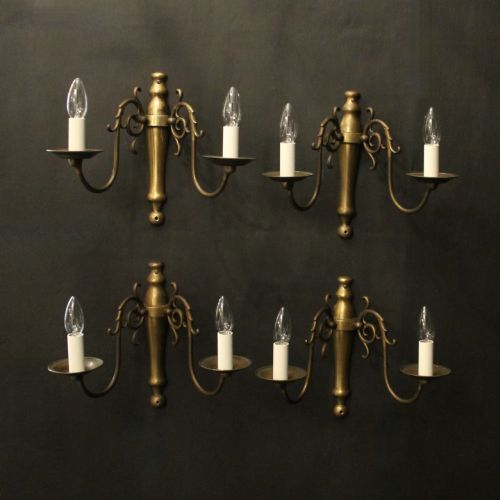
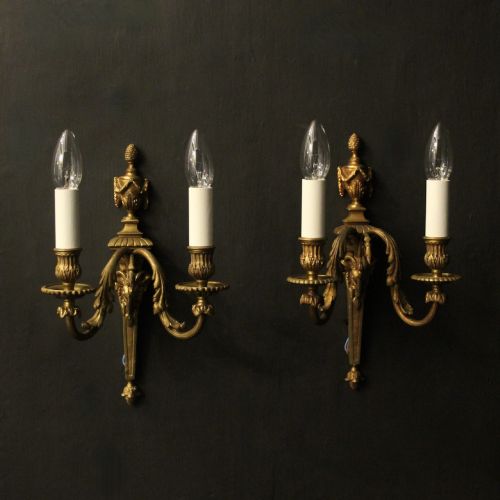
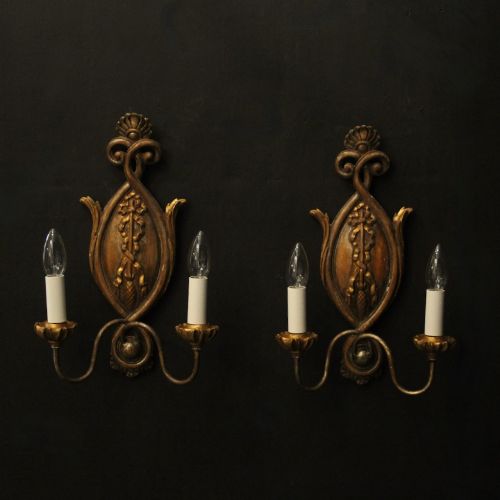
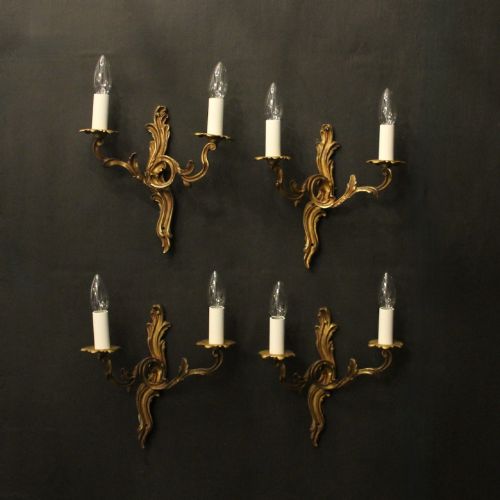
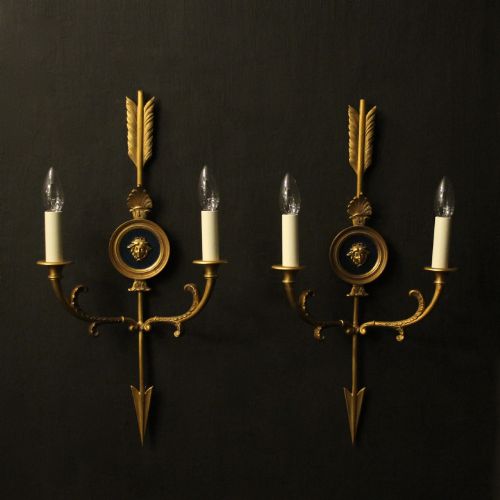
Twin candle wall sconces are wall-mounted lighting fixtures featuring two distinct arms or branches designed to illuminate domestic interiors. When searching for twin candle wall sconces, buyers encounter various configurations including pairs, sets of three or four, and individual pieces. The selections predominantly originate from the nineteenth and twentieth centuries, spanning periods such as Victorian, Edwardian, and the nineteen-thirties.
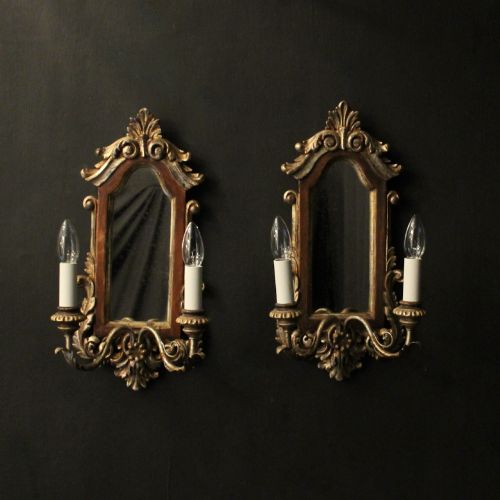
The objects appear under several categorical terms in the evidence, including wall lights, wall sconces, girandoles, and half lanterns. French and English origins dominate the marketplace offerings, accompanied by Florentine and Italian pieces. Forms range from simple metal configurations to elaborate designs influenced by historical aesthetics.
Stylistic influences heavily draw upon French traditions, with French Rococo, Neoclassical, Louis XVI, Empire, and Chateau aesthetics frequently represented. Pieces often incorporate decorative motifs such as ribbons, cherubs, and scrolling foliage. The physical scale varies from small intimate pairs to large sets suited for grander spaces.
Materials and construction
Makers utilised a variety of metallic and organic materials to construct these lighting fixtures, predominantly brass, bronze, gilt bronze, ormolu, and gilded brass. Giltwood and wooden elements appear in Florentine and Italian pieces, whilst silver plating and silvered brass provide alternative metallic finishes. Enamel and standard gilt metal also feature in specific mid-century examples.
Manufacturing techniques combined metal casting, carving, and gilding to achieve ornate decorative surfaces. Bronzes and brasses were cast into complex scrollwork and figurative shapes, then finished with gold leaf or surface plating. Wooden girandoles and wall lights relied on traditional carving and gilding methods to create reflective gilded surfaces.
Twin Candle Wall Sconces Retail Price Guide 2026
Typical asking prices for twin candle wall sconces among the pieces listed under this phrase on Sellingantiques today, from the lower quarter to the upper quarter. They describe what is for sale here now, not the wider market.
Assessing quality and craftsmanship
Quality in these lighting fixtures rests upon the crispness of the casting and the depth of the surface finish. Finer pieces display sharply defined chased details in bronze and brass, whereas simpler items show softer contours. The application of fire gilding, ormolu, or gold leaf creates a lasting radiance that distinguishes superior workshops from commercial producers.
Structural integrity and the harmonious balance of the twin arms determine the overall success of the piece. Master craftsmen ensured that the branching arms aligned symmetrically and joined securely to the backplate. The inclusion of sculptural elements, such as cast cherubs or intricate ribbon motifs, reflects a higher tier of design and execution.
Bruce Talbert·F. & C. Osler
The Twin Candle Wall Sconces Glossary
- Girandole
- A decorative wall bracket or sconce fitted with candle branches, often featuring a mirrored backplate to multiply the reflected light. These fixtures frequently incorporate ornate carved wood or gilt metal frames.
- Ormolu
- Finely chopped high-karat gold applied to a bronze base using a mercury amalgamation technique, popular in French decorative arts. The process produces a rich, durable golden sheen.
- Rococo Revival
- A nineteenth-century design movement characterised by asymmetrical scrollwork, naturalistic plant motifs, and shell forms. This style heavily influences many French and English wall lights from the period.
- Neoclassical
- A style inspired by the classical art and architecture of ancient Greece and Rome, emphasising symmetry, proportion, and restrained ornamentation. It appears frequently in French wall sconce designs.
- Backplate
- The flat or shaped structural metal or wooden panel that fixes securely to the wall and supports the projecting candle arms. It often bears the primary decorative relief of the fixture.
Twin Candle Wall Sconces: Frequently Asked Questions
Can antique wall sconces be wired for electricity?
Many surviving examples have been successfully adapted for modern electrical wiring while retaining their original aesthetic appeal. Professional conversion allows these historic fixtures to function safely as contemporary wall lamps.
Buyers often find pieces that have already been rewired, though unadapted items can usually be fitted with internal wiring by a qualified electrician. The process preserves the exterior metalwork and structural integrity of the sconce.
How do I distinguish French styles from English ones?
French pieces frequently exhibit elaborate Rococo or Neoclassical ornamentation, incorporating motifs like cherubs, ribbons, and gilt bronze ormolu finishes. Their decorative language tends toward theatrical curves and ornate sculptural detailing.
English variants often display a more restrained approach to design, frequently utilising solid brass or bronze with simpler geometric or classical lines. Makers in England leaned toward understated elegance rather than exuberant surface gilding.
What is the difference between gilt bronze and gilded brass?
Gilt bronze, often referred to as ormolu, consists of a copper and tin alloy base that accepts mercury gilding exceptionally well. This combination allows for extremely sharp casting and a deep, enduring golden lustre.
Gilded brass employs a softer, more common copper and zinc alloy coated with gold leaf or paint. While visually similar, brass fixtures generally exhibit slightly softer surface details compared to cast bronze.