




Twin Arm Lamps
These twin arm lamps provide dual illumination from brass, bronze, and toleware, bringing balanced period lighting to a room.
Twin Arm Lamps
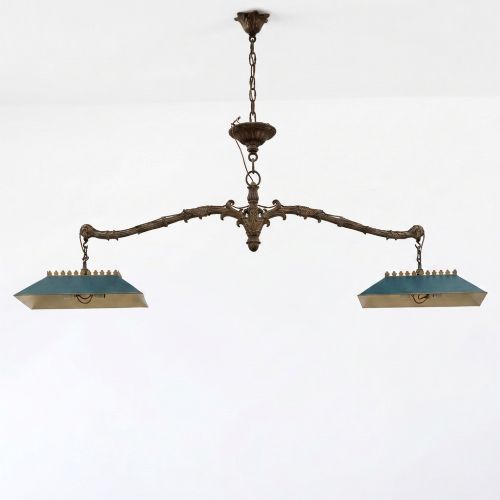
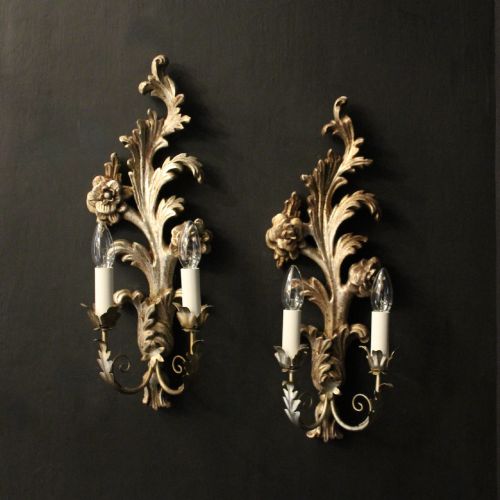
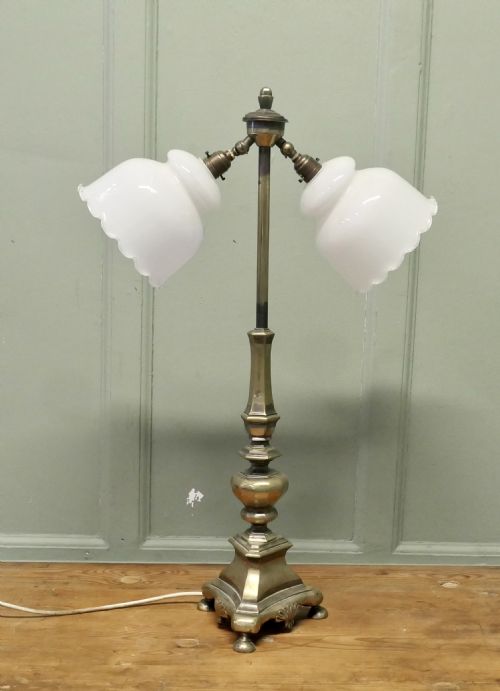
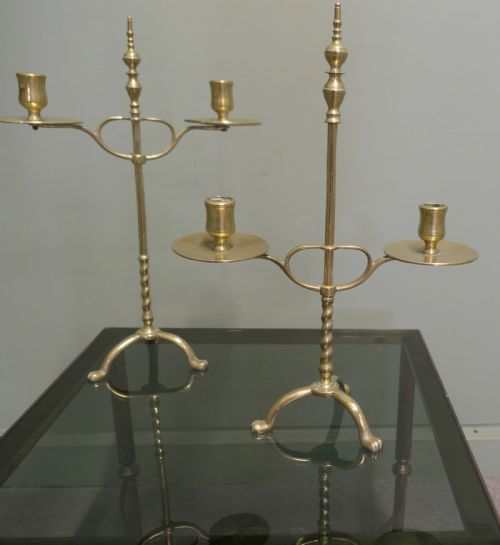
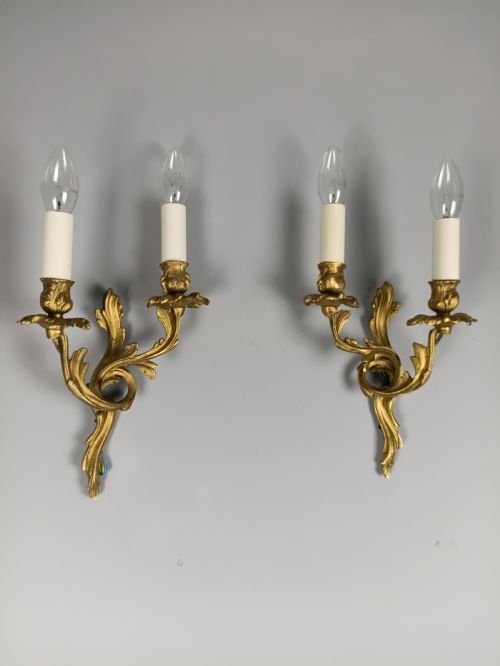
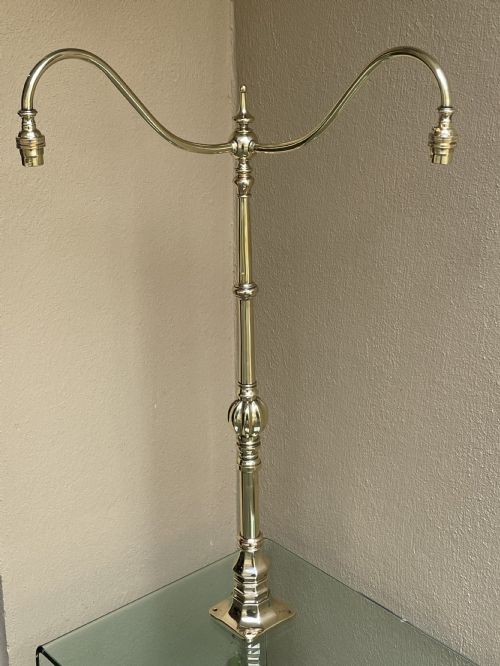
Twin arm lamps encompass wall lights, table lamps, and desk lamps featuring two distinct light-bearing branches or arms. When searching for twin arm lamps, buyers encounter diverse forms ranging from Victorian wall sconces to Art Deco silver plated table lamps.
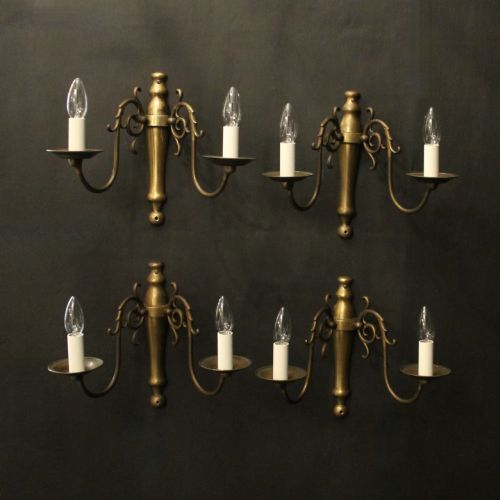
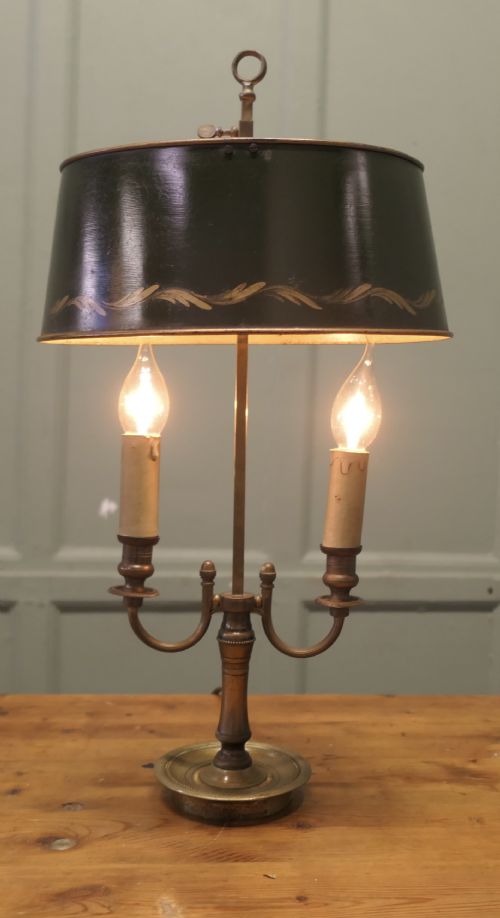
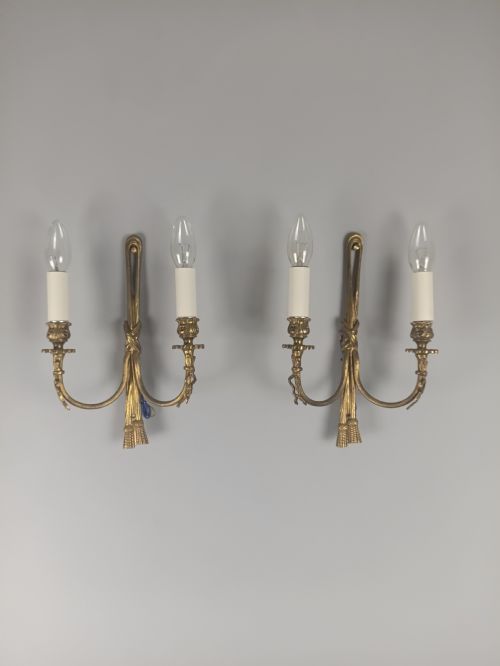
The selection on this page relies heavily on French and English origins spanning the nineteenth and early twentieth centuries. Wall lights and wall sconces predominate, frequently appearing in matched pairs alongside bouillotte desk lamps and standard lamps.
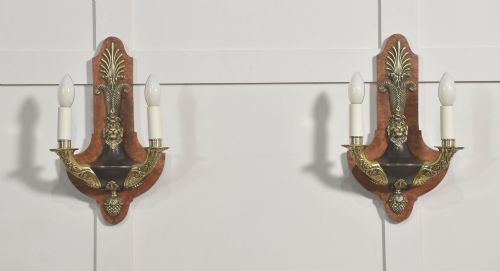
Periods represented stretch from the Victorian and Edwardian eras through to the nineteen-thirties, incorporating styles such as French Empire, French Rococo, Neoclassical, and Arts and Crafts.
Materials and construction
Construction primarily utilises brass, gilded brass, and standard metal, often accompanied by silver plate, gilt brass, and bronze. Artisans also incorporated glass, burr walnut, polychrome wood, and green toleware to achieve varied textural finishes.
Lighting formats include adjustable mechanisms on reading and student lamps, alongside dual chamber stick configurations and ribbon-adorned wall brackets. Fabrication methods reflect period metalworking traditions found in English and French workshops.
Twin Arm Lamps Retail Price Guide 2026
Typical asking prices for twin arm lamps among the pieces listed under this phrase on Sellingantiques today, from the lower quarter to the upper quarter. They describe what is for sale here now, not the wider market.
Listings feature materials spanning brass, bronze, silver plate, and toleware across the Victorian, Edwardian, and Art Deco periods.
Evaluating quality
Quality rests upon the crispness of metal casting and the depth of surface finishes such as silver plate, silver giltwood, or repolished brass. Finer examples demonstrate superior articulation in decorative motifs like ribbon flourishes or classical neoclassical detailing.
The integrity of construction distinguishes standard production from finer pieces, particularly in adjustable desk lamps and multi-branch wall lights. Heavier gauge metals and robust mounting plates indicate higher manufacturing standards across Victorian and twentieth-century pieces.
Elkington·F. & C. Osler
The Twin Arm Lamps Glossary
- Toleware
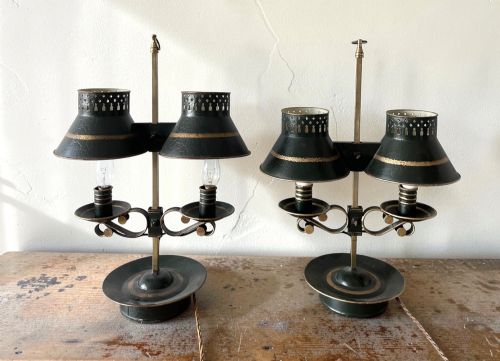
- Painted or lacquered sheet metal items, frequently utilised in green for bouillotte desk and wall lamps. This material offers a distinct matte coloured surface texture.
- Newel post lamp
- A decorative light fixture positioned atop the newel post at the base or landing of a staircase. These fixtures provide functional illumination in hallway spaces.
- Bouillotte lamp
- A traditional desk or table lamp featuring a central shade and two or more arms rising from a basin base. They are typically styled with toleware metal shades.
- Gilt brass
- Brass that has been treated with a thin layer of gold or gold-coloured finish to simulate solid gold. This technique enhances decorative wall lights and sconces.
- Silver plate
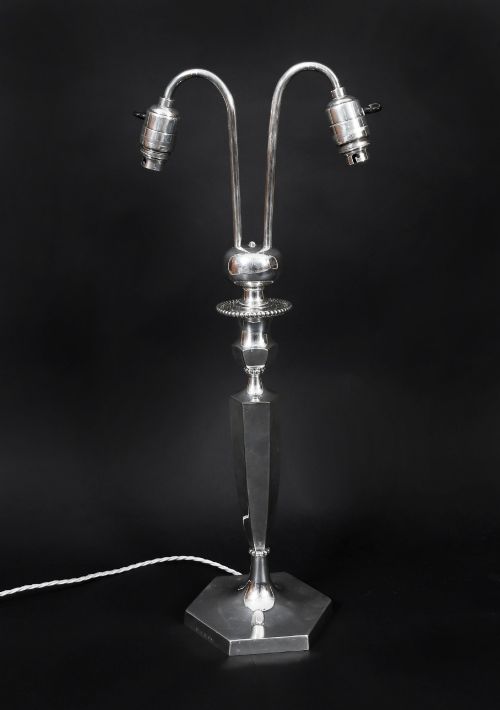
- A base metal substrate coated with a thin layer of silver. Elkington utilised this technique on twentieth-century table lamps.
Twin Arm Lamps: Frequently Asked Questions
Where should I place twin arm wall lights?
Twin arm wall lights suit placement flanking mirrors, mantelpieces, or bed headboards to provide balanced ambient illumination.
Their dual arms project light outward, making them effective for lighting hallways and principal reception rooms.
What is a bouillotte lamp used for?
Bouillotte lamps were traditionally utilised for card games and desk work, offering directed light via adjustable shades.
Today, they function as decorative table or wall lamps in studies and living areas.
How do I identify an Edwardian lamp?
Edwardian pieces often display refined brass construction influenced by earlier classical revivals but executed with lighter proportions.
Look for clean lines and traditional mounting hardware typical of the early twentieth century.
Are these lamps wired for modern use?
Period lamps frequently require inspection and rewiring by a qualified electrician to meet current safety standards.
Existing fittings range from converted candleholders to early electrical configurations.