
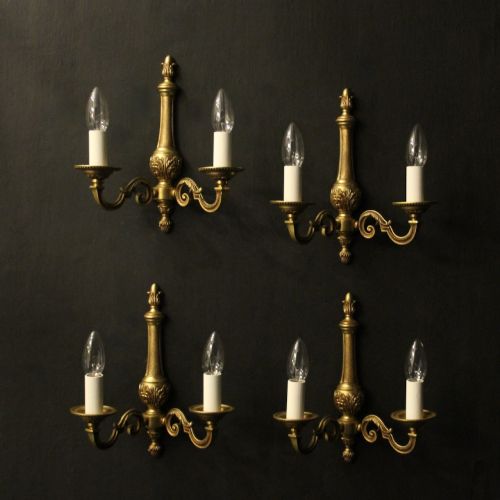
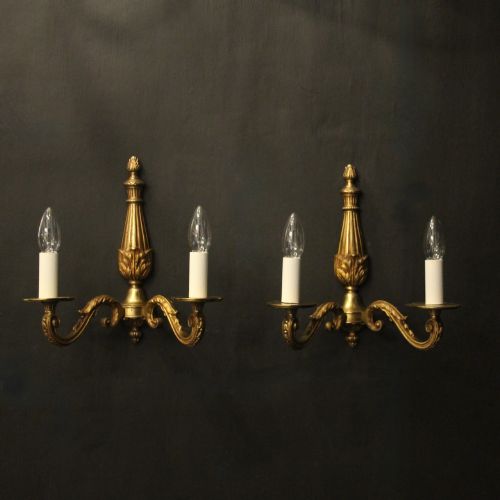
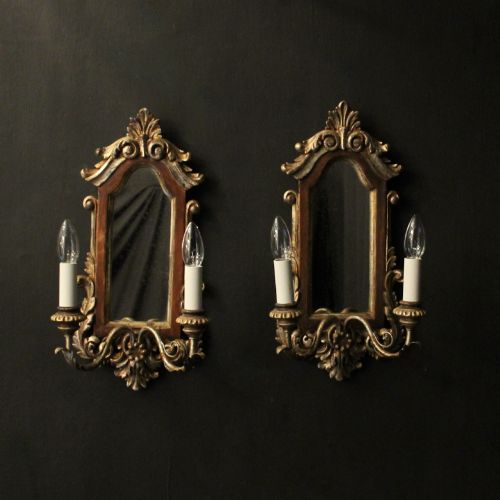
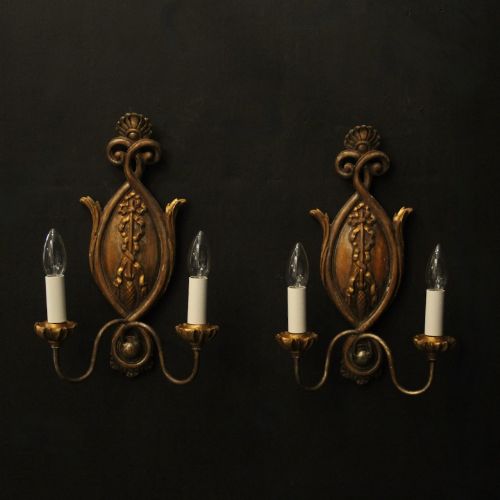
Twin Arm Candle Sconces
Twin arm candle sconces bring vertical illumination and reflected warmth to a room through wall-mounted arms designed for two candles.
Twin Arm Candle Sconces
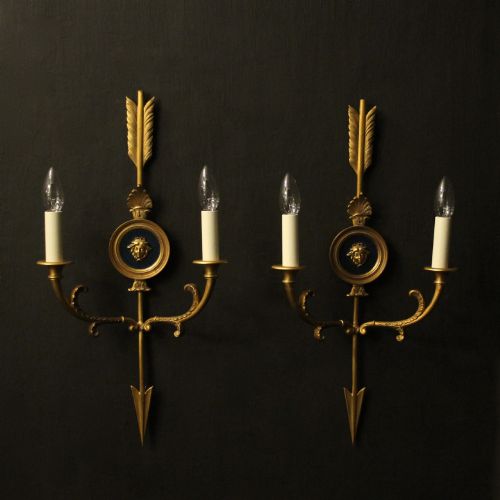
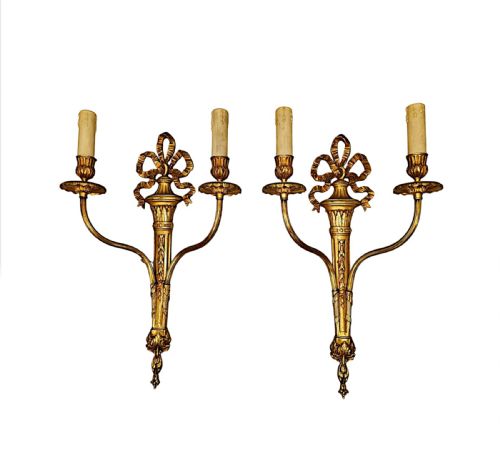
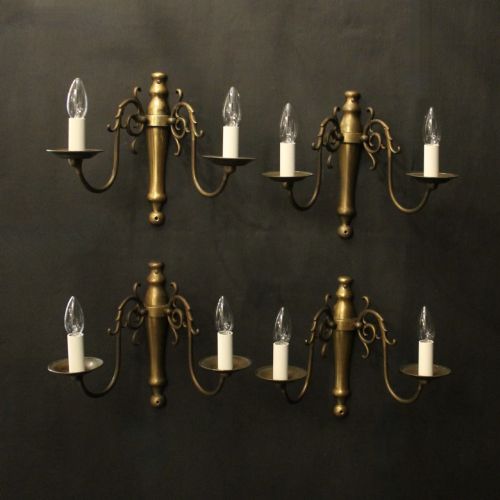
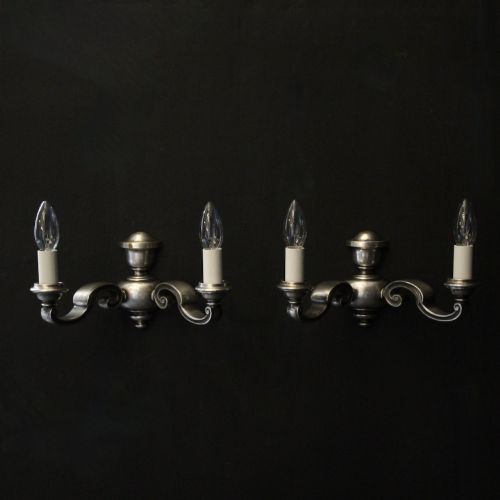
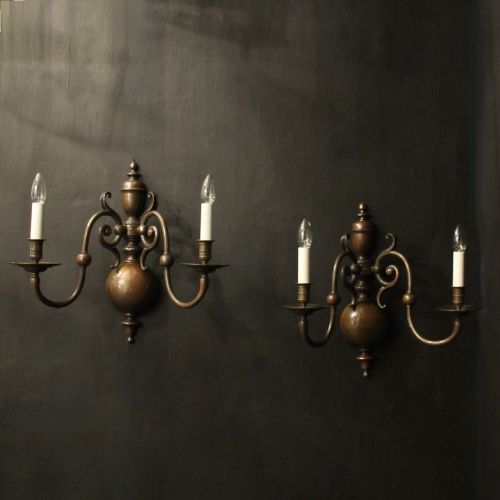
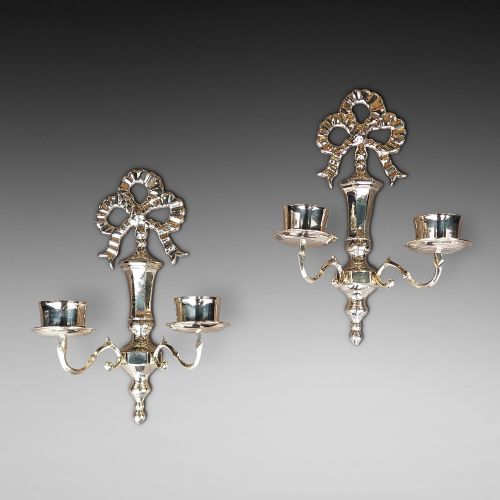
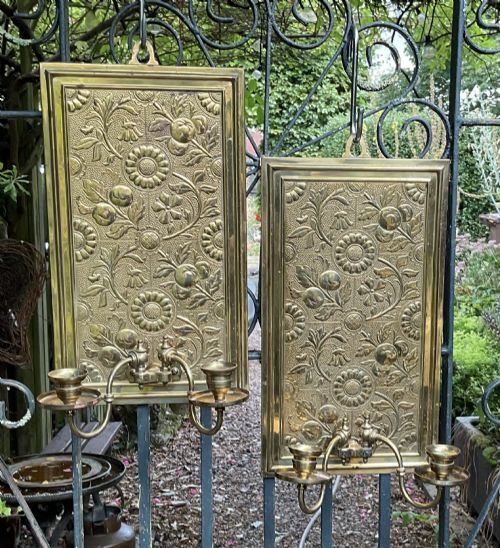
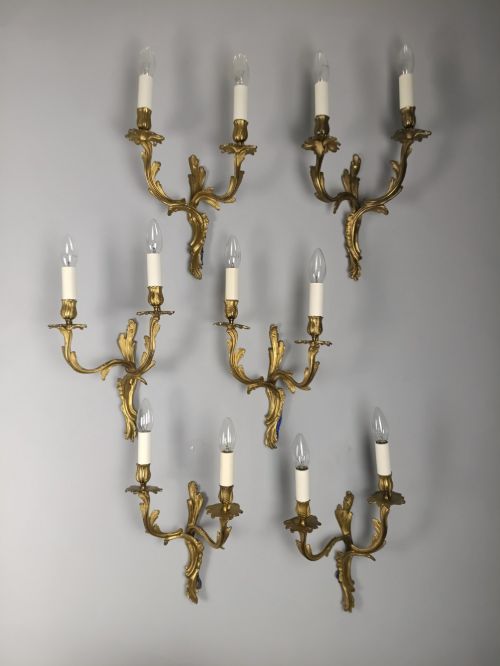
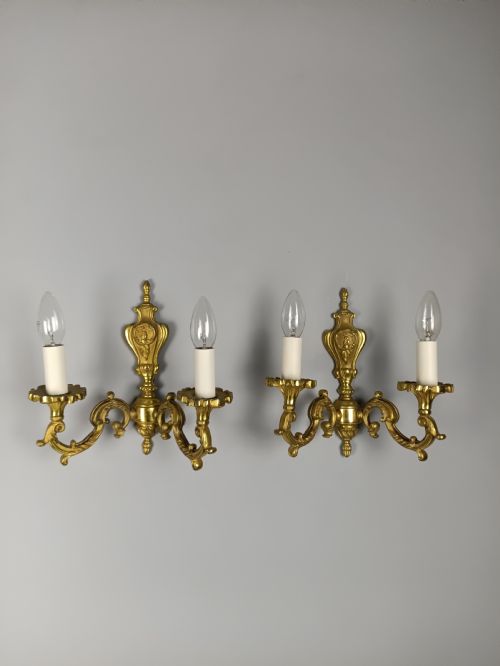
Twin arm candle sconces are wall-mounted lighting fixtures designed to hold two candles or fitted with electric lights, appearing frequently in French and English designs. These pieces span the nineteenth century, Victorian, Edwardian, and early twentieth century periods, including years such as 1880, 1900, 1910, 1920, and 1930. The form encompasses wall lights, girandoles, candlesticks, and candelabra.
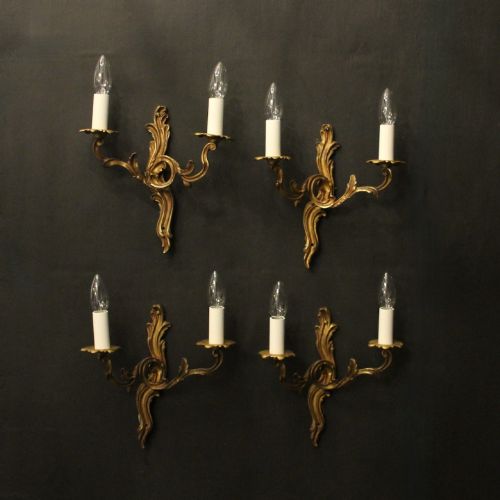
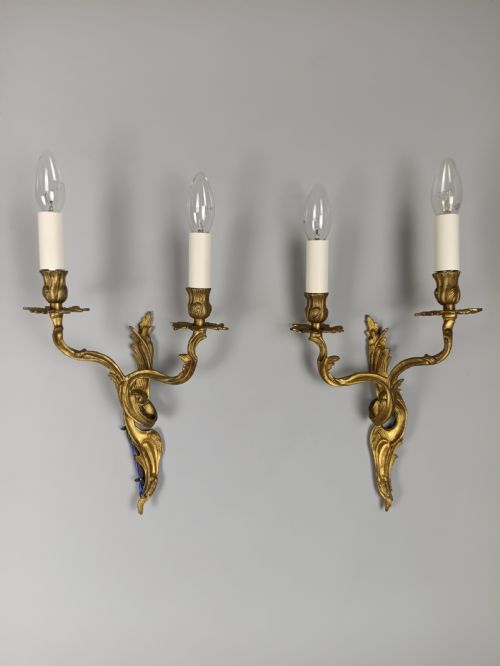
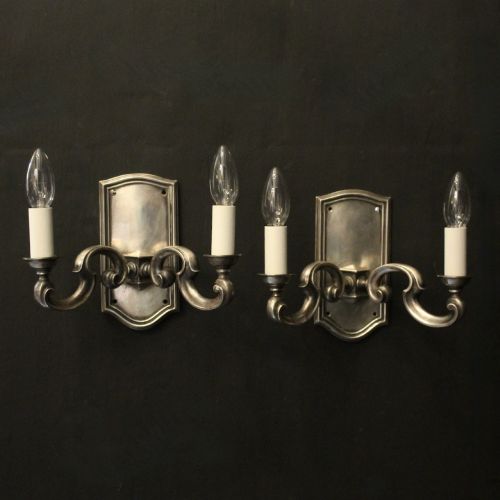
French examples often showcase French Rococo, French Neoclassical, and French Rococo Revival styles alongside Art Nouveau and Art Deco touches. English pieces lean towards Georgian Revival, Adam Revival, and the Aesthetic Movement. Florentine makers contribute giltwood girandoles, while Italian pieces include wooden twin arm wall lights.
Materials and construction methods
Brass, bronze, and metal form the structural backbone of these fixtures, often treated with surface finishes like gilding, silver plating, and silvering. Gilded brass, gilt bronze, ormolu, and gilded bronze provide a reflective metallic sheen, whilst giltwood and carved wood offer organic alternatives.
Craftsmen utilised casting, carving, and metalworking techniques to shape intricate motifs such as ribbons, foliage, and architectural scrolls. Enamel additions appear in specific pieces alongside specialised gilding methods that create faded or bright metallic surfaces.
French Rococo Revival and English Adam Revival styles dominate the decorative wall light selection.
Distinctions in quality
Quality rests in the crispness of the casting and the depth of the hand-chased detail on metal fixtures, separating refined work from simpler commercial output. Heavier gauge metals and substantial gilt bronze or ormolu provide a solidity that lighter brass stampings lack.
For wooden and giltwood items, the fineness of the hand-carving and the preparation of the gesso ground dictate the visual success of the piece. The integrity of the original surface finish, whether patinated bronze or delicate gilding, determines the preservation state.
Bruce Talbert·F. & C. Osler
The Twin Arm Candle Sconces Glossary
- Girandole
- A branched wall light or sconce, frequently featuring a mirrored backplate to multiply the reflected candlelight. These pieces often appear in Florentine giltwood.
- Ormolu
- Finely chopped high-karat gold applied to a bronze base using a mercury amalgamation technique. This process yields a deep, enduring yellow lustre found on French pieces.
- Rococo
- An ornate design style characterised by asymmetry, C-scrolls, and naturalistic shell and foliage motifs. It appears prominently in French wall lights.
- Adam Revival
- A neoclassical style drawing on ancient Roman architecture, featuring symmetrical urns, husks, and delicate swags. English makers adopted this aesthetic during the Victorian era.
Twin Arm Candle Sconces: Frequently Asked Questions
How were twin arm candle sconces used?
These fixtures were mounted beside mirrors, paintings, or fireplaces to project ambient light into a room. The twin arms distributed flame illumination across a wider wall space.
In period interiors, reflective metal backplates or mirrors multiplied the available light from two candles. They served both functional lighting needs and decorative display purposes.
Were these fixtures converted to electricity?
Many surviving examples have been rewired for modern electric bulbs to suit contemporary domestic use. Conversions vary from early twentieth-century adaptations to recent rewiring.
Original candle drip pans and nozzles are sometimes retained alongside hidden internal wiring. Buyers encounter both strictly candle-holders and electrified wall lights.
How do I identify French styles?
French twin arm candle sconces frequently employ gilt bronze or ormolu with elaborate Rococo scrolls or Neoclassical symmetry. Details often include cast ribbons, acanthus leaves, and floral garlands.
English equivalents tend towards stricter geometric lines, silver plating, or Adam Revival motifs. The weight and patination of the bronze also hint at continental manufacture.
What is the difference between brass and ormolu?
Standard brass is an alloy of copper and zinc that shows a bright golden metal colour when polished. It forms the structure of many utilitarian wall lights.
Ormolu involves a bronze substrate coated with a mercury-gold amalgam, creating a richer surface. This technique was heavily utilised by French workshops for high-status decorative pieces.