



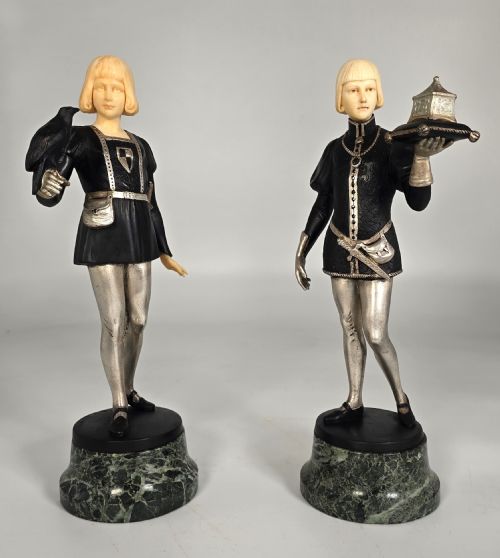


Twentieth Century Bronze
Twentieth century bronze encompasses sculptural figures, animalier studies, and decorative objects cast during an era of diverse artistic movements.
Twentieth Century Bronze
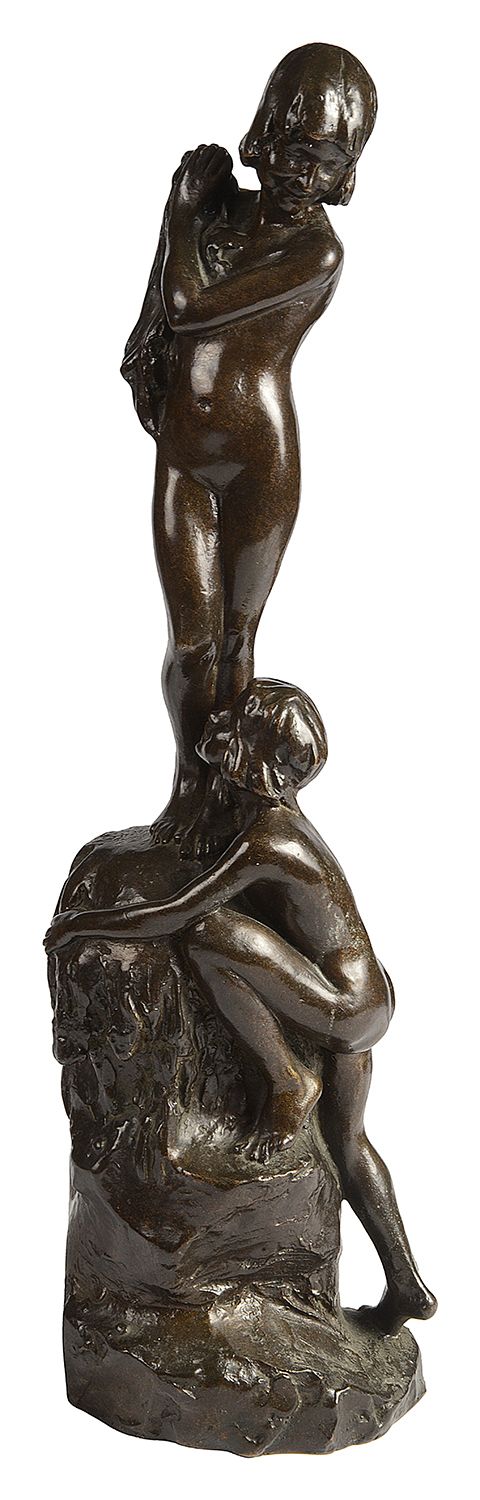
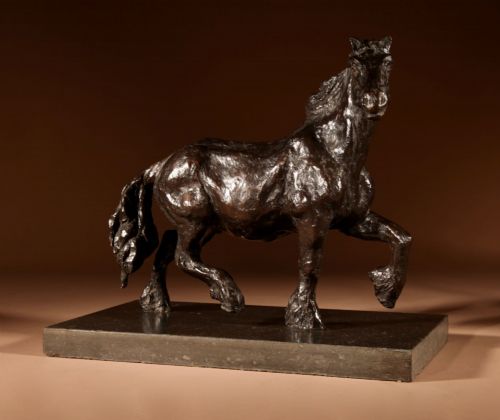
Twentieth century bronze objects encompass a rich variety of forms, from realistic animalier studies to classical figures and decorative architectural elements. Buyers browsing this selection encounter sculptures, decorative obelisks, wall plaques, and occasional items of furniture incorporating metalwork.
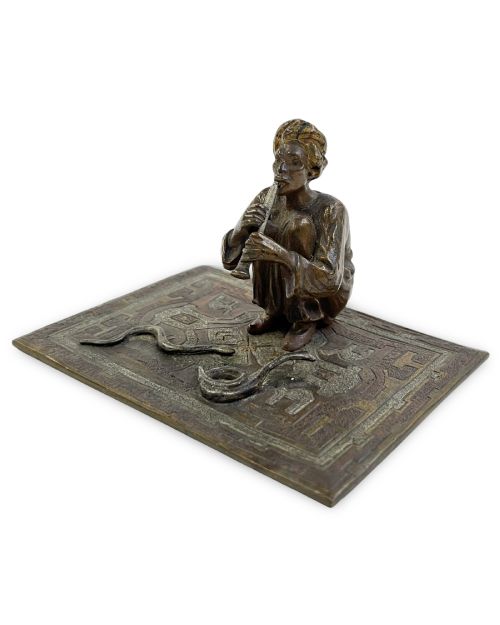
The material repertoire spans distinct stylistic traditions, including Art Deco, Art Nouveau, Animalier, and Orientalism. Many works reflect the enduring influence of earlier neoclassical models, alongside modernist departures.
Origin points and date markers extend across the decades from the late nineteenth century through to the nineteen-forties. Figures of animals, human portraits, and allegorical subjects appear frequently across the gathered items.
Materials and casting methods
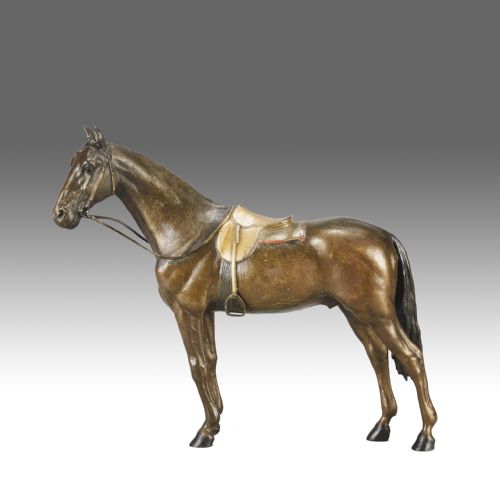
The primary material is cast bronze, frequently complemented by cold-painting, patinated finishes, or gilding. Artisans applied pigmented coatings by hand to metals, notably in cold-painted Austrian works, achieving nuanced colouration on surfaces.
Many sculptures incorporate mixed media bases and structural elements, pairing cast metal with Italian marble, stone, wood, and occasionally ivory. Ormolu mounts and applied paint further enhance specific decorative surfaces.
Casting techniques accommodated both monumental figural groups and miniature tabletop studies. Artisans utilised patination to simulate age, depth, and varied textural qualities across both animal and human subjects.
Several cold-painted animals hide surprising levels of detail beneath their saddles.
Distinctions in craftsmanship
Quality separates through the precision of the cast and the sensitivity of the subsequent chasing work. Superior pieces retain crisp anatomical details, clean casting seams, and deliberate surface textures rather than blurred contours.
The application of cold paint or patination marks a significant division in execution. Finer examples display meticulous hand-applied pigments and stable patinas that adhere closely to the underlying metal without obscuring fine lines.
The reputation of the foundry or the individual artist influences the standing of a piece. Works bearing clear signatures and documented foundry marks demonstrate higher standards of sculptural design and material composition.
Franz Bergman·P J Mêne·Clovis Masson·Jennings Brothers·Georges Van De Voorde
The Twentieth Century Bronze Glossary
- Animalier
- A nineteenth and twentieth century artistic focus on the realistic depiction of animals. Sculptors in this genre studied anatomy closely, often capturing beasts in motion or repose.
- Cold-Painted Bronze
- Bronze sculptures painted with non-heat-set pigments after casting. This technique was particularly favoured by Viennese workshops for colourful animal and figural studies.
- Patinated Metal
- Metal treated with chemical solutions, heat, or acids to alter its surface colour. This process protects the underlying material while producing deep brown, green, or black tones.
- Ormolu
- Gilt bronze ornamentation applied to furniture and decorative objects. The process involves creating a mercury and gold amalgam on a bronze base.
- Obelisk
- A tall, four-sided, narrow tapering monument that ends in a pyramid-like shape at the top. In twentieth century decorative arts, these were frequently fashioned from solid marble or stone.
Twentieth Century Bronze: Frequently Asked Questions
What subjects appear in twentieth century bronze?
The category encompasses wildlife, classical figures, portraits, and decorative architectural items such as obelisks. Common subjects range from birds and horses to human figures in mythological or everyday poses.
Animals appear frequently in dynamic animalier poses, while human figures span portraits, allegorical studies, and mythological representations like Diana or snake charmers.
Where were these bronzes made?
Production centres spanned across Europe and America, with distinct workshops operating in Austria, France, Italy, and the United States. Viennese foundries specialised in cold-painted miniatures.
French and Italian studios frequently produced animalier studies and Grand Tour souvenirs referencing classical antiquity.
How should I care for patinated bronze?
Bronze requires minimal intervention beyond dusting with a soft, dry cloth to prevent particulate buildup. Avoid using abrasive cleaners, polishes, or liquids that might strip the original patina.
Maintaining a stable indoor humidity helps protect both the metal surfaces and any associated marble or wood bases from environmental stress.