



Turquoise Glazed Earthenware
These turquoise glazed earthenware pieces bring striking colour and sculptural presence to an interior, ranging from Victorian majolica to twentieth-century studio pottery.
Turquoise Glazed Earthenware
When searching for turquoise glazed earthenware, collectors encounter a diverse group of objects spanning domestic vessels, decorative plaques, and garden furnishings. The selection includes substantial items like garden seats, pedestals, and jardiniere planters, alongside smaller decorative forms such as vases, wall reliefs, and figurines.
The objects originate from multiple traditions, drawing on Victorian British majolica, French art pottery, Chinese export styles, and mid-century Dutch studio work. Victorian and late nineteenth-century British potteries feature prominently alongside continental European pieces and early twentieth-century examples.
How they were made
Potters shaped these objects from earthenware clay before applying coloured glazes to the surface. Lead glazes and lustre techniques created the distinctive glossy turquoise finishes seen across the pieces.
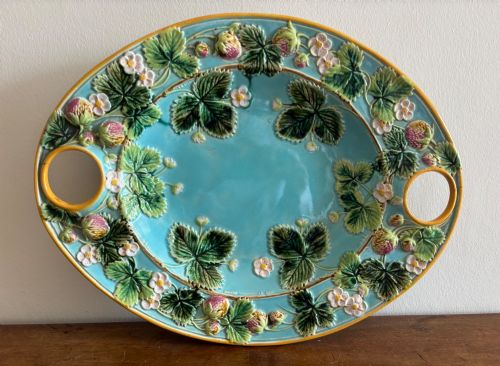
Many items incorporate moulded relief decoration, from classical figures to naturalistic foliage and animal forms. Kiln firing fixed the earthenware body and the glaze, producing the rich surface depths characteristic of majolica and art pottery.
Turquoise Glazed Earthenware Retail Price Guide 2026
Typical asking prices for turquoise glazed earthenware among the pieces listed under this phrase on Sellingantiques today, from the lower quarter to the upper quarter. They describe what is for sale here now, not the wider market.
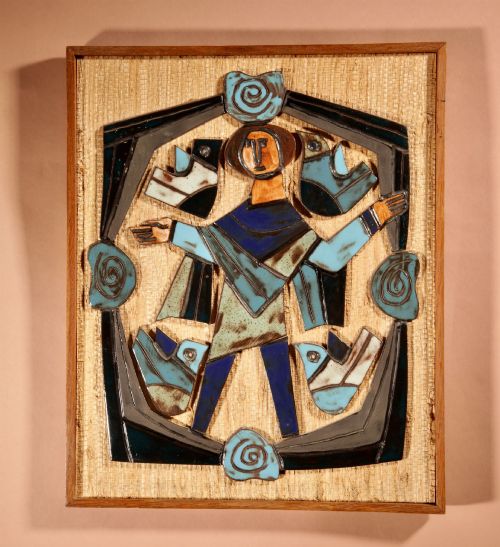
The inventory includes nineteenth-century majolica, Arts and Crafts plaques, and mid-century Dutch wall relief paintings.
What varies in quality
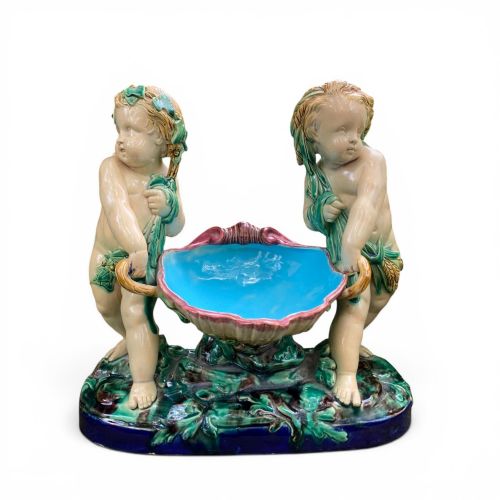
The standard of modelling determines the success of sculptural forms, separating spirited figural work and crisp relief panels from softer, less defined moulding. Sculptural pieces like cherub baskets, animal studies, and mythological figures rely heavily on the precision of the initial form.
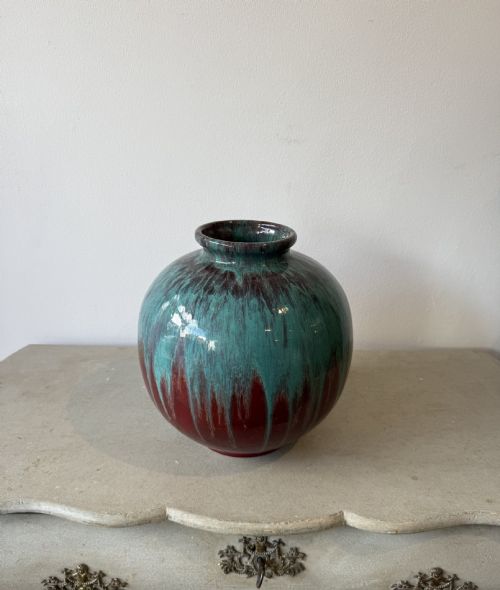
Glaze application and control during firing create depth and variation in the turquoise surface, distinguishing exceptional pieces from flat or uniform coatings. The complexity of the glaze effects, particularly in lustre and majolica work, dictates the visual richness of the object.
George Jones·Doulton Lambeth·Minton·Burmantofts Art Pottery·Clement Massier·Longwy·Royal Worcester
The Turquoise Glazed Earthenware Glossary
- Majolica
- A type of earthenware decorated with opaque coloured glazes, widely produced during the Victorian period. It is known for vibrant hues and moulded relief decoration.
- Jardiniere
- A large ornamental pot or stand for holding plants or flowers. These items often form substantial centrepieces in conservatory or garden settings.
- Earthenware
- Porous pottery fired at lower temperatures than stoneware or porcelain. It requires a glaze to render it impermeable to liquids.
- Lustre glaze
- A metallic glaze technique that produces an iridescent sheen on the ceramic surface. Clement Massier utilised this method on late Victorian jardiniere pieces.
Turquoise Glazed Earthenware: Frequently Asked Questions
How do I care for antique earthenware?
Keep these pieces away from direct moisture and sudden temperature changes to protect the glazed surfaces and porous clay bodies from damage.
Dust gently with a soft, dry cloth and avoid harsh chemical cleaners that can degrade the historic glaze.
Where were these ceramics used?
Many of these items served as decorative accessories for nineteenth-century reception rooms, conservatories, and antechambers. Larger forms like garden seats and umbrella stands functioned in hallways and garden spaces.
Smaller vessels and plaques were designed for display on mantelpieces, walls, and tabletops within domestic interiors.
How do I identify a Victorian piece?
Victorian examples often display rich majolica glazes, heavy moulded relief work, and naturalistic or classical motifs. Maker marks, registration numbers, and stylistic cues help confirm the nineteenth-century origin.
Examining the underside and the crazing within the glaze provides further clues to the age of the ceramic.
What is art pottery?
Art pottery refers to handcrafted ceramics produced from the late nineteenth century onward, prioritising artistic expression and experimental glazing over utilitarian production.
Workshops and individual potters focused on unique forms, striking colours, and advanced firing techniques.