

Turning Leg Chair
A turning leg chair brings robust character to any room, offering traditional timber construction paired with distinctive turned supports.
Turning Leg Chair
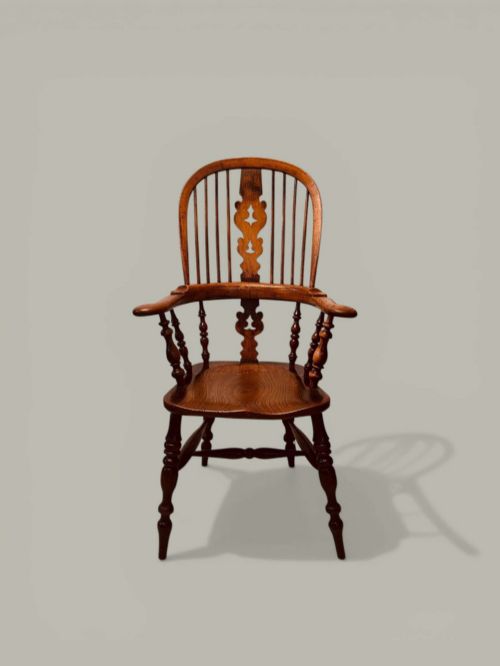
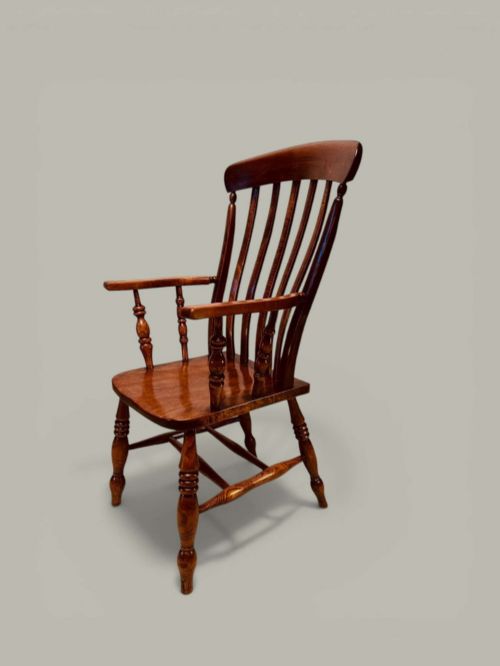
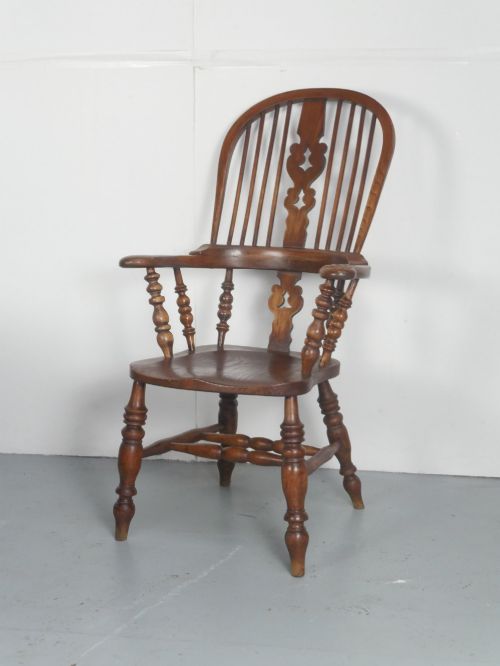
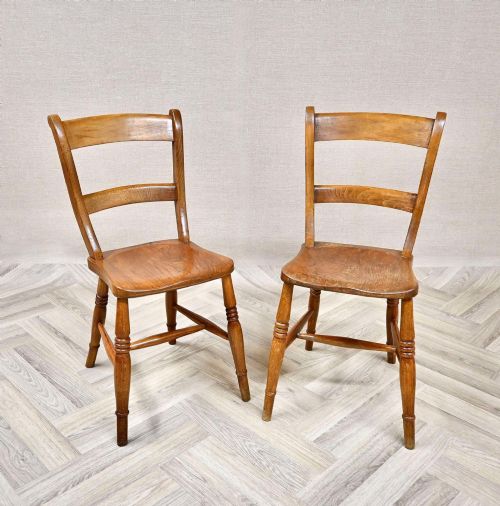
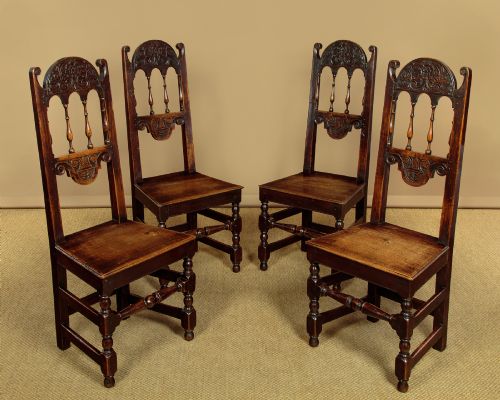
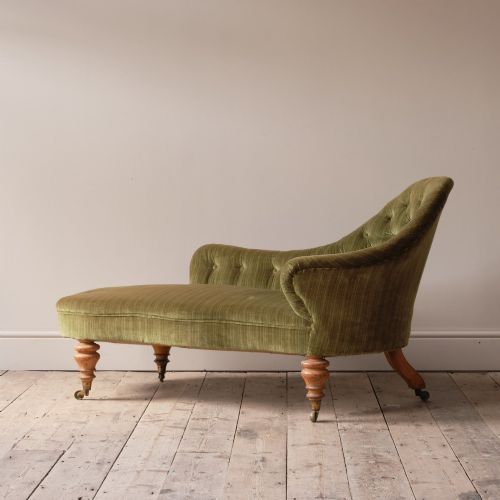
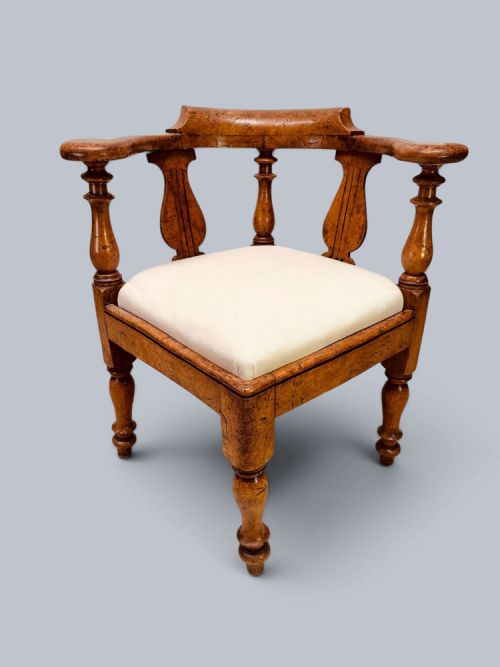
A turning leg chair encompasses various seating forms featuring lathe-turned wooden supports, ranging from robust country dining chairs to formal library armchairs. When exploring turning leg options on this page, buyers frequently encounter nineteenth-century examples alongside early twentieth-century interpretations.
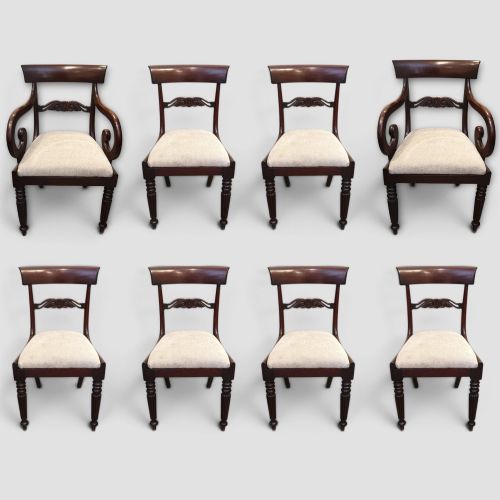
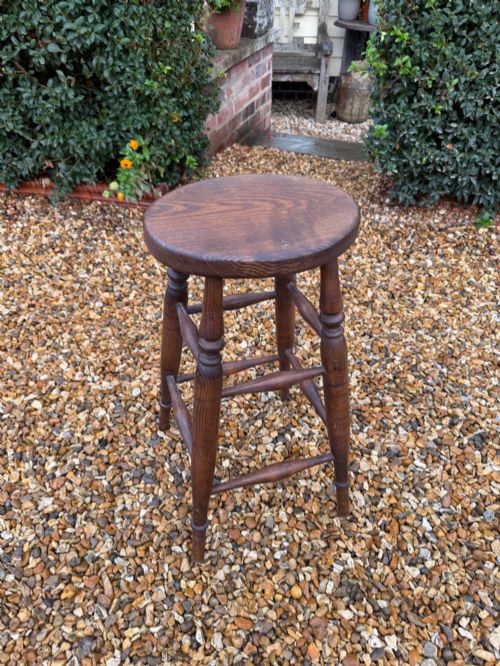
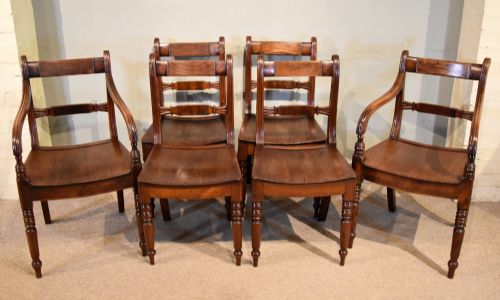
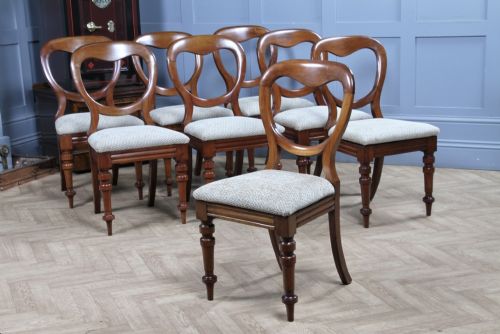
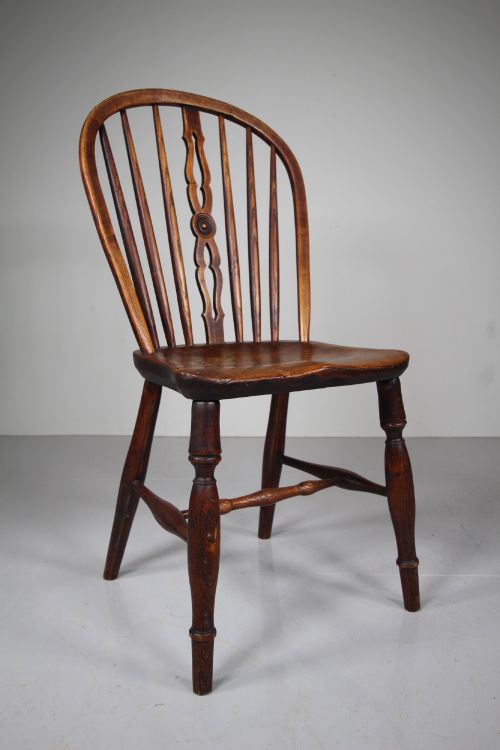
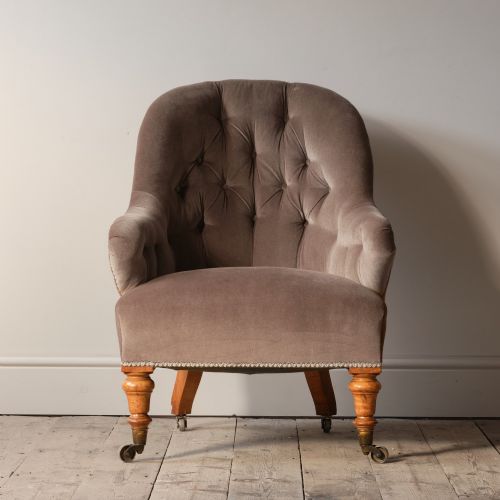
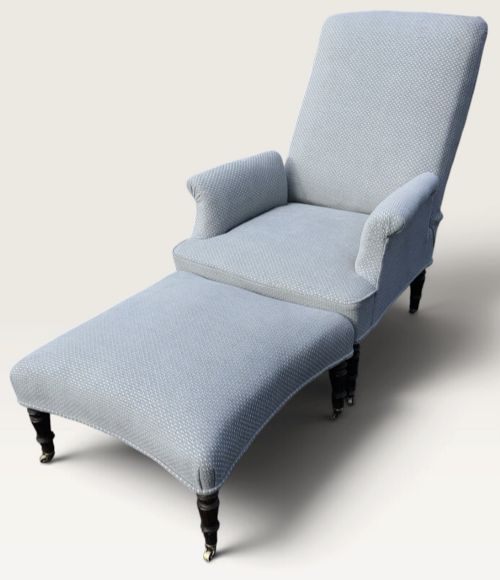
The selection spans numerous formats, including sturdy elm windsors, mahogany dining sets, and upholstered armchairs resting upon turned wooden legs. These pieces originate from distinct periods such as the Victorian era and the Regency period, reflecting both English and French craftsmanship.
Materials and Construction
Cabinetmakers utilised dense hardwoods such as mahogany, oak, elm, and beech to construct these frames, ensuring structural longevity and reliable daily use. Lathe-turning techniques shaped the legs and spindles into uniform columns, flutes, or spirals.
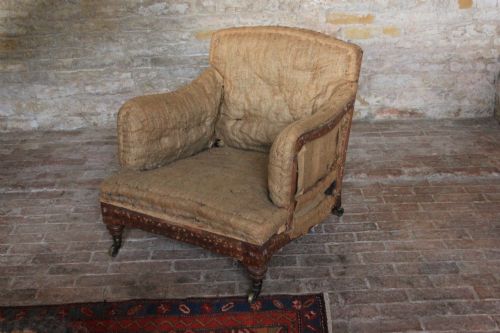
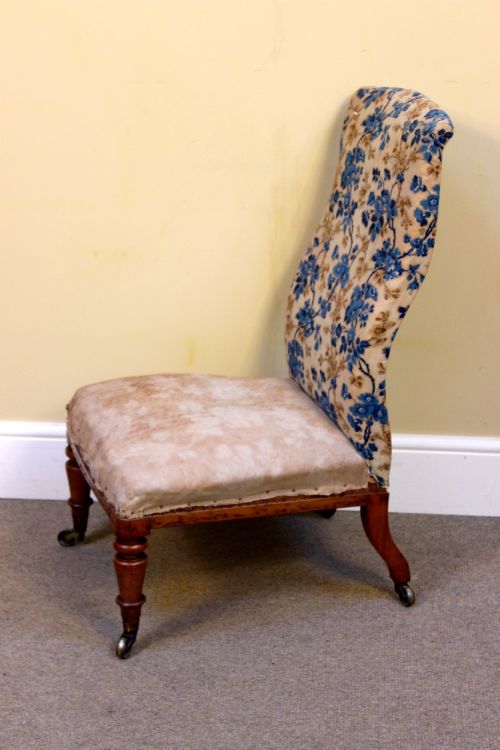
Upholstered variants incorporate supportive internal webbing and traditional stuffing materials covered in fabrics like leather, velvet, and patterned textiles. Wood components often display polished grain or painted finishes, occasionally complemented by brass hardware.
Turning Leg Chair Retail Price Guide 2026
Typical asking prices for turning leg chair among the pieces listed under this phrase on Sellingantiques today, from the lower quarter to the upper quarter. They describe what is for sale here now, not the wider market.
Several chairs feature nimble wheels on their turned legs, designed for smoothly gliding across heavy nineteenth-century carpets.
Assessing Quality and Execution
Superior execution shows in the crispness of the lathe-turned details and the seamless integration of joints without excessive timber movement. Finer examples maintain their original upholstery foundations and retain untouched surface patination across the hardwood frames.
Lesser pieces may exhibit imprecise turning symmetry, replacement timber sections, or instability in the underlying frame construction. The choice of primary wood, from common pine or pitch pine to select mahogany and burr elm, heavily influences the overall calibre of the build.
Strahan And Co Dublin·Howard And Sons·Guillows
The Turning Leg Chair Glossary
- Turning
- Shaping wood on a rotating lathe using cutting tools to create cylindrical, tapered, or spiral components. This technique forms the distinct legs seen on many period chairs.
- Windsor
- A traditional wooden chair featuring a solid saddle-shaped seat into which the legs and back spindles are directly wedged. These pieces often utilise elm or ash timbers.
- Balloon Back
- A rounded, oval-shaped chair back resembling a hot air balloon, highly popular during the Victorian era. This design typically appears on mahogany dining and salon chairs.
- Library Armchair
- A substantial, deeply padded seat designed for study rooms, frequently upholstered in leather. Such chairs often feature sturdy turned wooden legs and supportive armrests.
Turning Leg Chair: Frequently Asked Questions
How do I care for antique wood chairs?
Keep wooden frames away from direct heat sources and sudden humidity shifts to prevent timber splitting or joint loosening.
Apply high-quality beeswax periodically to nourish the surface finish and maintain the natural lustre of the hardwood.
Are these chairs suitable for daily dining?
Many sturdy oak, elm, and mahogany dining models remain robust enough for regular seating use in modern homes.
Buyers should inspect the joint tightness and overall frame stability to ensure the piece safely supports daily activity.
How can I date a turned leg chair?
Dating relies on observing the combination of primary wood species, construction methods, upholstery styles, and turning profiles.
Nineteenth-century pieces often display hand-turned details and traditional joinery techniques distinct from later twentieth-century manufacturing methods.