



Turned Wooden Game
Turned wooden game pieces bring parlour entertainment home, combining tactile craftsmanship with centuries of social play.
Turned Wooden Game
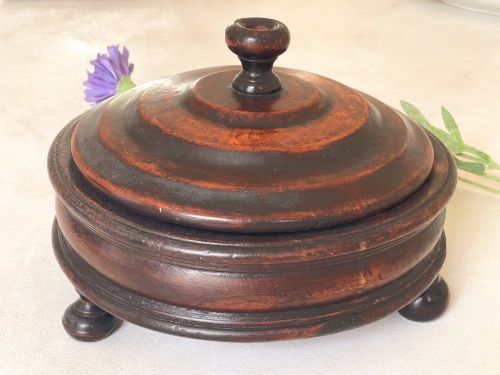
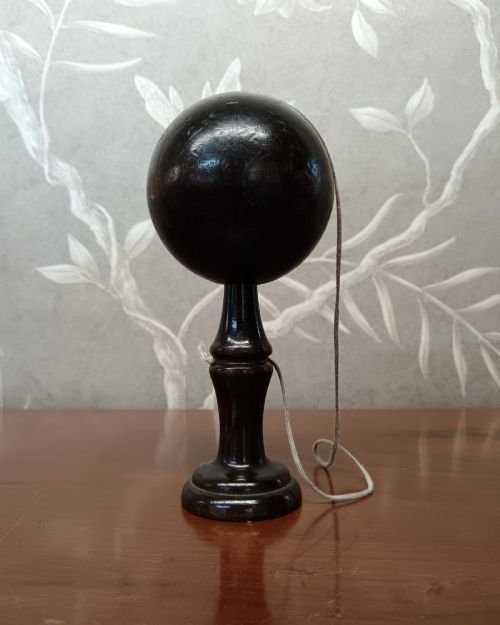
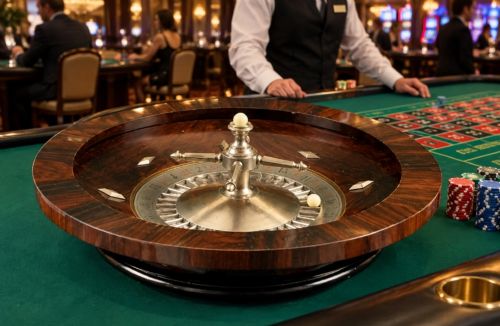
A turned wooden game encompasses everything from intricately carved chess sets and draughts to roulette wheels, bilboquet cup-and-ball toys, and treen bird calls. These domestic amusements span the Georgian, Victorian, and Edwardian eras, reflecting the changing pastimes of British households across centuries.
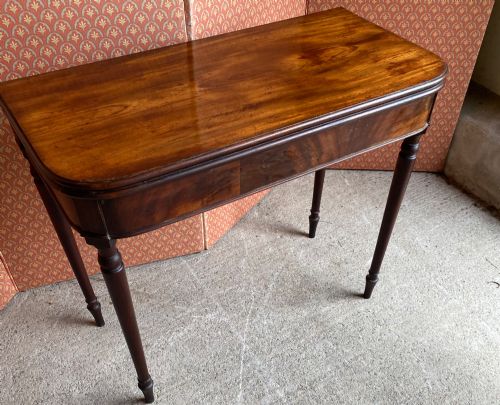
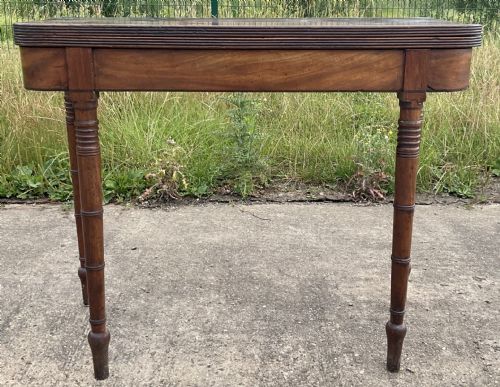
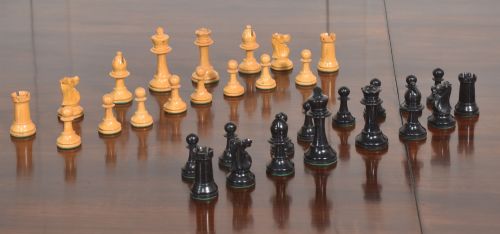
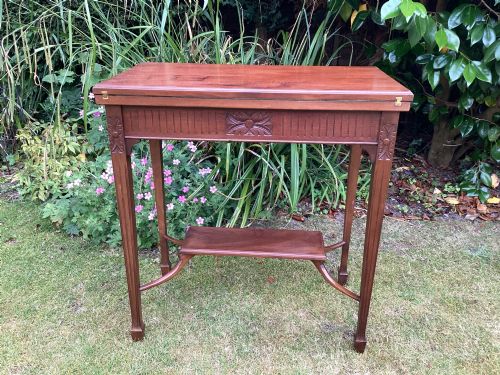
The most frequent examples found in this category include boxwood and ebony chess sets, tactile wooden counters, and turned ball-and-cup toys. Alongside these smaller items, larger furniture pieces such as foldover tea and card tables provide the dedicated surfaces required for serious parlour gaming.
Originating from periods ranging from the eighteenth century through to nineteen-twenty, these objects demonstrate functional artistry designed for regular domestic use. They survive as both playable sets and decorative antiques that capture historical leisure habits.
Materials and construction
Makers utilised dense hardwoods such as boxwood, mahogany, rosewood, and walnut, often pairing lighter and darker timbers to create clear contrasts for chessmen and draughts pieces. Ebonised wood frequently substitutes for naturally dark ebony, while brass, felt, and cord appear as secondary materials for hinges, baize playing surfaces, and pull cords.
Turning on a lathe formed the symmetrical bodies of chess pieces, roulette components, and bilboquet cups, ensuring precise balance and uniform shape. Inlaid details, hand painting, and folding mechanisms required specialist cabinet-making skills, particularly for the multi-use tables that housed gaming equipment.
Turned Wooden Game Retail Price Guide 2026
Typical asking prices for turned wooden game among the pieces listed under this phrase on Sellingantiques today, from the lower quarter to the upper quarter. They describe what is for sale here now, not the wider market.
Distinctions in quality
Superior quality rests on the precision of the lathe work and the selection of timber, where tightly grained boxwood and figured mahogany show greater durability and visual depth. Maker attribution, such as pieces produced by the British Chess Company, elevates the standing of individual sets.
The integrity of original components, including matching sets of counters or complete chess armies without replacement pieces, defines the higher tier of survival. Subtle details like hand-inlaid board borders and original fitted boxes distinguish workshop masterpieces from standard domestic items.
Gillows·British Chess Company
The Turned Wooden Game Glossary
- Staunton chess set
- The standard design of chess pieces introduced in the mid-nineteenth century, featuring realistic architectural heads and weighted bases for stability.
- Bilboquet
- A traditional toy consisting of a ball attached by a cord to a handle with a cup or spike, designed to catch the ball through dexterity.
- Treen
- Small handmade wooden objects for domestic use, shaped by turning or carving, which encompass items like bird calls and small containers.
- Foldover table
- A piece of furniture with a hinged top that opens to double its surface area, frequently lined with baize or felt for card and board games.
- Ebonised wood
- Timber treated with a dark finish to imitate expensive ebony, commonly used for the darker squares and pieces in chess and draughts sets.
Turned Wooden Game: Frequently Asked Questions
How do I date a turned wooden game?
Dating relies on stylistic clues, timber choice, and manufacturing techniques characteristic of periods like the Georgian or Victorian eras. Examining turning styles and hardware helps narrow down the decade of production.
Makers' marks or stamps, when present on chess boxes or tables, provide a more precise point of origin.
Are these games still suitable for playing?
Many antique chess sets, draughts, and parlour games remain fully functional for regular use today. Careful handling preserves the original timber and finish.
Protective storage and gentle cleaning ensure these historical items survive further decades of gameplay.
What is the difference between treen and gaming equipment?
Treen encompasses a broad category of small utilitarian wooden objects, such as bird calls and treen cups, valued for their turned craftsmanship. Gaming equipment specifically serves competitive or recreational play, including dice, counters, and chessmen.
Some items overlap when small toys involve simple turning techniques.
How should I care for antique rosewood and boxwood?
Keep wooden pieces away from direct sunlight and extreme humidity fluctuations to prevent timber from splitting or warping. Occasional light dusting maintains the natural patina.
Avoid harsh chemical polishes that can degrade historical surface finishes over time.