



Turned Wood Standards
Turned wood standards offer stately vertical presence and warm illumination, making them a practical centrepiece for traditional rooms.
Turned Wood Standards
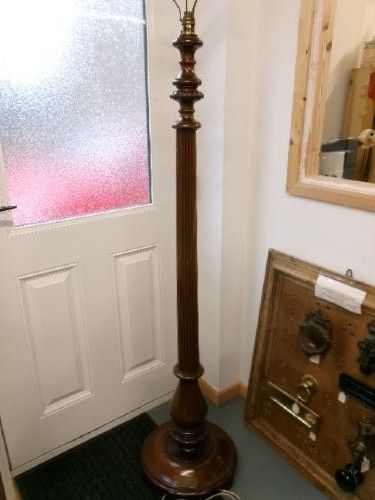
Turned wood standards comprise vertical timber lamp columns produced across the nineteenth and twentieth centuries, including Edwardian and Victorian iterations. These pieces function primarily as floor lamps and standard lamps designed to hold fabric shades.
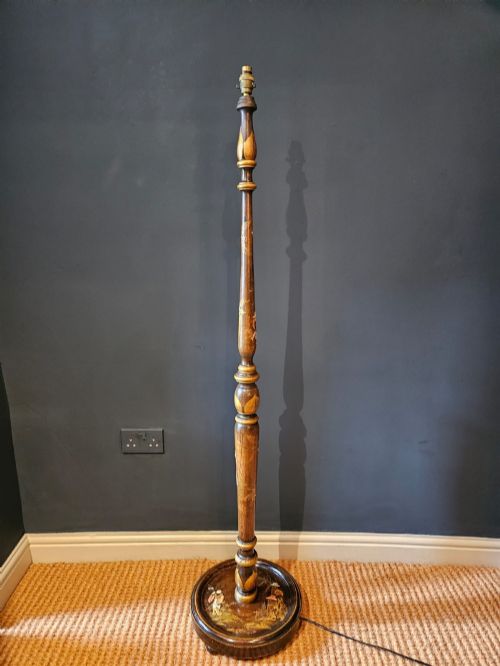
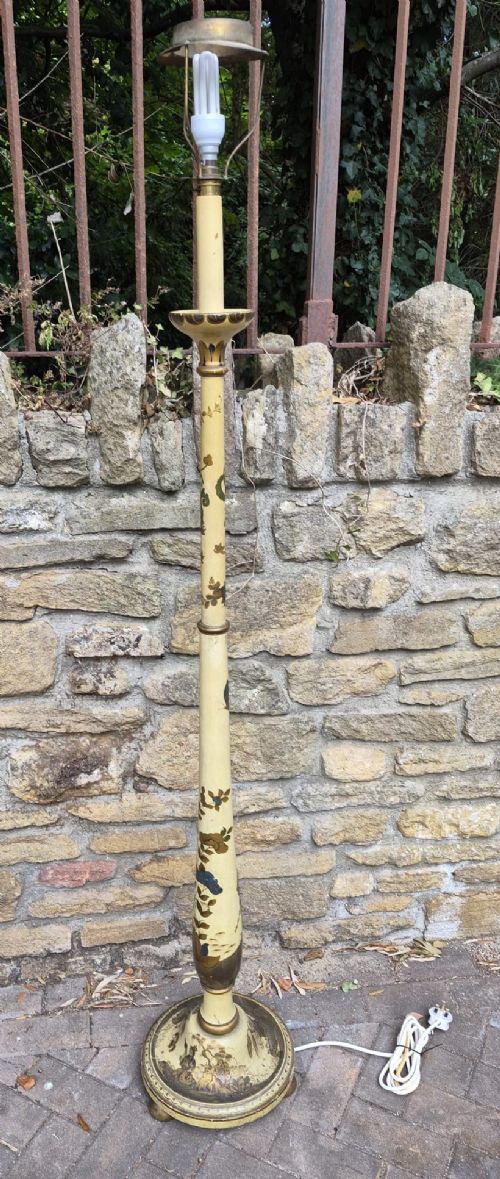
Buyers encounter styles ranging from plain rustic country pine and beech to refined mahogany and walnut columns. Many examples incorporate decorative finishes such as parcel gilt, lacquer, and Chinoiserie painted ornamentation.
Makers often paired the timber shafts with brass hardware or glass shades to create functional illumination for period interiors. The selections span simple cottage designs alongside elaborate Regency Revival and Victorian interpretations.
Construction and materials
Craftsmen shaped solid timbers such as mahogany, beech, pine, and oak on lathes to produce symmetrical turned columns. Carpenters then applied specialised surface treatments including ebonising, lacquer, and hand-painted Chinoiserie motifs.
Workshops integrated brass fittings and metal components to secure electrical or oil lamp hardware safely to the wooden shafts. Structural stability was achieved through sturdy timber bases or stretcher configurations.
Turned Wood Standards Retail Price Guide 2026
Typical asking prices for turned wood standards among the pieces listed under this phrase on Sellingantiques today, from the lower quarter to the upper quarter. They describe what is for sale here now, not the wider market.
The listings demonstrate standard lamps produced in mahogany, oak, pine, beech, and burr walnut across the nineteenth and twentieth centuries.
Assessing quality
The sophistication of the lathe turning and the choice of timber dictate the distinction between simple utility pieces and finer decorative examples. Denser hardwoods like mahogany and burr walnut provide superior grain definition compared to basic pine.
Original surface decoration, such as hand-applied Chinoiserie paintwork or parcel gilt detailing, elevates the visual merit of an individual standard. Intricate carving on the shaft further separates standard production pieces from masterwork outputs.
The Turned Wood Standards Glossary
- Standard lamp
- A tall floor-standing lamp designed to provide ambient room illumination rather than task lighting. These pieces usually feature a heavy base to support an extended vertical column.
- Chinoiserie
- European decorative style imitating Chinese artistic traditions, popular in painted or lacquered furniture finishes. This technique often employs motifs of figures, landscapes, and floral patterns against dark backgrounds.
- Parcel gilt
- Partial application of gold leaf or gilt paint to highlight specific carved details or mouldings. This technique creates subtle contrast against the underlying wood or painted surface.
- Ebonised wood
- Timber treated with stain or polish to resemble costly ebony. Cabinetmakers utilised this method on fruitwoods and other common timbers to achieve a dark, uniform appearance.
Turned Wood Standards: Frequently Asked Questions
What is a turned wood standard?
A turned wood standard is a tall vertical lamp column shaped on a lathe to support a fabric shade and bulb. These pieces function as floor lighting in period sitting rooms and studies.
Craftsmen produced them in various timbers including mahogany, oak, and pine across the Victorian and Edwardian eras.
How do I date a lamp standard?
Dating relies on observing the timber species, turning profiles, and decorative finishes present on the column. Victorian and Edwardian examples often feature heavier proportions and darker wood stains.
Later pieces from the nineteen-thirties frequently display simpler turned profiles or lighter painted finishes aligned with contemporary interior trends.
Are these lamps electrified?
Most surviving examples have been adapted for modern electrical wiring to permit everyday domestic use. Buyers should check the internal wiring and plug standards to ensure safety.
Original brass fittings are frequently retained alongside newer electrical components to preserve the antique character.
What styles are available?
The inventory encompasses rustic country designs alongside formal Regency Revival and Victorian models. Painted Chinoiserie finishes and parcel gilt details provide alternative decorative options.
Simpler cottage style floor lamps contrast with heavily carved mahogany and burr walnut standard lamps.