



Turned Wood Plates
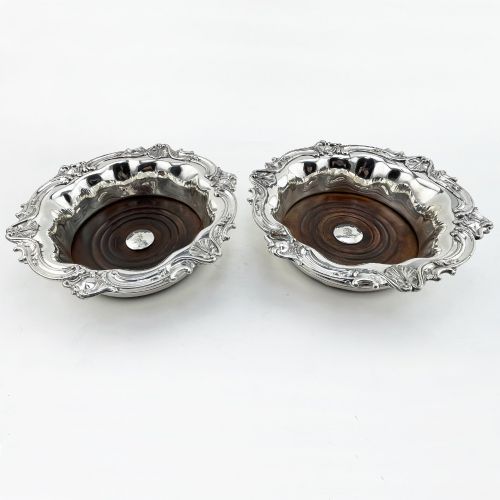
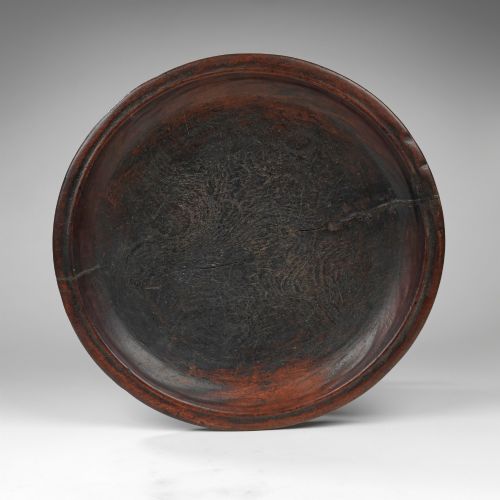
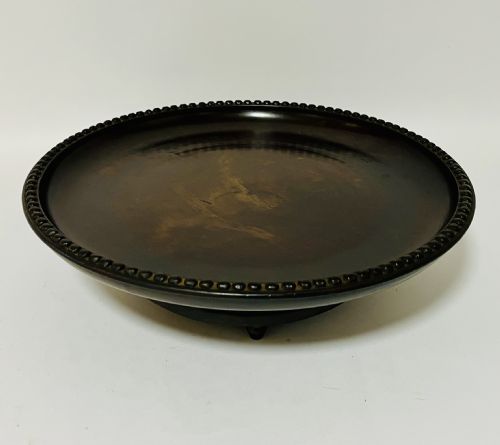
Turned wood plates are traditional circular turned treen vessels shaped on a lathe, prized for their clean utility and rich timber grain.
Turned Wood Plates
The material selection ranges from dark stained wood and mahogany to fruitwood, reflecting the domestic and vernacular traditions of English country houses and Welsh workshops. Many pieces bridge the boundary between utilitarian kitchenware and decorative treen.
Collectors encounter circular forms shaped for specific domestic uses, displaying the patination accumulated over generations of handling. Each piece demonstrates the simple utility valued in historical domestic interiors.
Materials and Construction
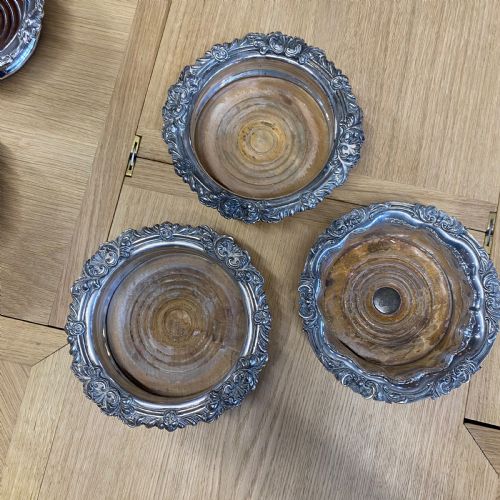
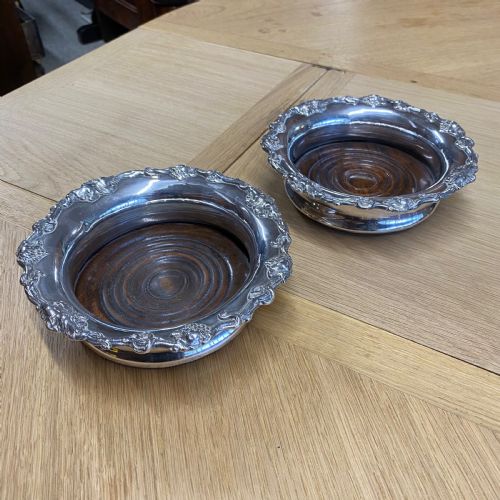
Makers utilised dense timbers such as mahogany and fruitwood, turning green or seasoned timber on a lathe to achieve balanced circular rims and flat bases. This rotational shaping leaves subtle concentric ridges across the surface of the timber.
The natural grain of the wood dictates the visual character of each piece, enhanced through simple polishing rather than heavy lacquering. Surface patination develops naturally through repeated contact and cleaning over decades.
Turned Wood Plates Retail Price Guide 2026
Typical asking prices for turned wood plates among the pieces listed under this phrase on Sellingantiques today, from the lower quarter to the upper quarter. They describe what is for sale here now, not the wider market.
Listings feature mahogany, fruitwood, and dark stained wood shaped across the Georgian and Victorian periods.
Assessing Quality and Character
Quality rests in the crispness of the lathe work and the preservation of the original timber surface without excessive sanding or modern refinishing. A well-balanced profile and a pleasing weight indicate thoughtful timber selection by the turner.
The depth of the natural patination and the integrity of the timber grain distinguish finer examples from plain utilitarian items. Minimal shrinkage distortion and a stable base enhance the desirability of an antique turned wooden piece.
Matthew Boulton
The Turned Wood Plates Glossary
- Treen
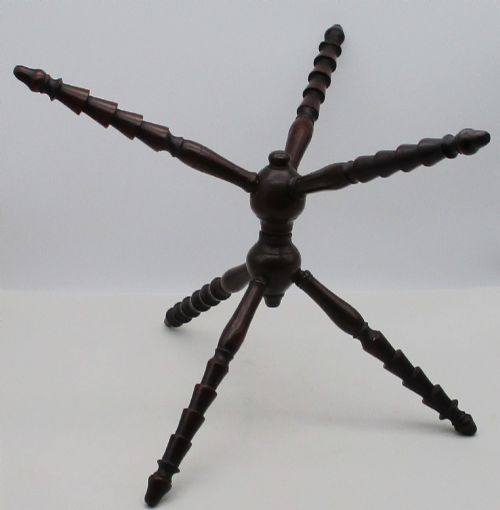
- Small handmade wooden domestic objects and utensils. This category encompasses items ranging from bowls to stands shaped by turning or carving.
- Lathe
- A woodworking machine that rotates timber against cutting tools. This process creates symmetrical circular forms and distinctive concentric grain patterns.
- Patination
- The glossy surface sheen developed on timber through age and handling. It indicates genuine historic use and protects the underlying wood.
- Vernacular
- Objects made by regional artisans for local domestic utility rather than high-style urban markets. These pieces reflect traditional local craftsmanship and available materials.
Turned Wood Plates: Frequently Asked Questions
What are turned wood plates?
Turned wood plates are circular timber dishes shaped on a lathe during the eighteenth and nineteenth centuries. They served everyday domestic functions in country houses and rural homes.
Today, collectors value these items for their tactile timber grain and historical patination. They function well as decorative display pieces in traditional interiors.
How do I clean antique wood?
Clean antique turned wood gently using a dry or barely damp soft cloth to remove dust. Avoid soaking the timber in water or applying modern household detergents.
Occasional application of microcrystalline wax helps preserve the historic surface and protects the timber from drying out. Proper care maintains the natural patination built up over centuries.
How old are these plates?
The pieces seen in these listings date primarily from the Georgian, Regency, and Victorian periods spanning the eighteenth and nineteenth centuries. Regional workshops across Britain and Europe produced them using traditional turning methods.
Dating relies on timber choice, tool marks left by the lathe, and the depth of the surface wear. Each era utilised specific turning profiles characteristic of its time.
Can I use them daily?
Historic turned wooden items suit light decorative use rather than heavy modern dining or dishwashing. Moisture and heat can warp old timber and damage fragile surface patination.
Displaying them flat or on stands protects the historic structure from unnecessary stress. Treating them as collectible treen preserves their condition for the future.