
Turned Wood Pedestal
A turned wood pedestal grounds a room, lifting plants, lamps and small tables on pillars shaped at the lathe.
Turned Wood Pedestal
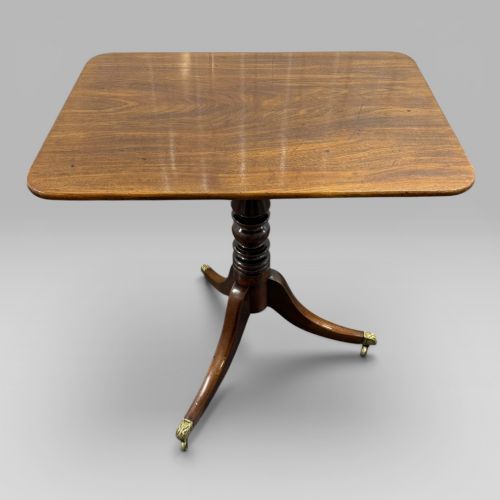
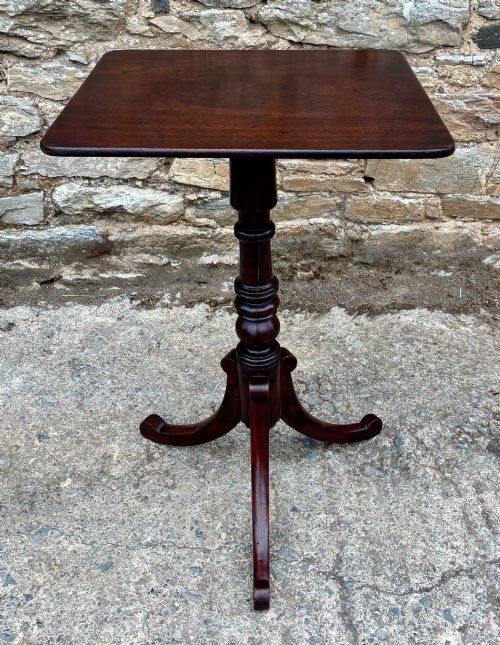
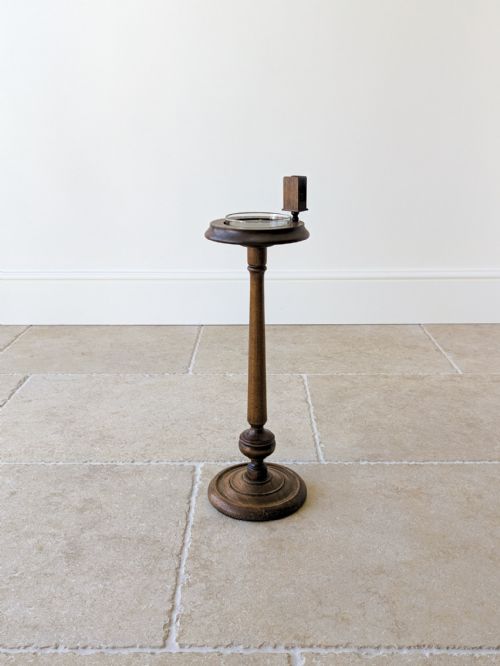
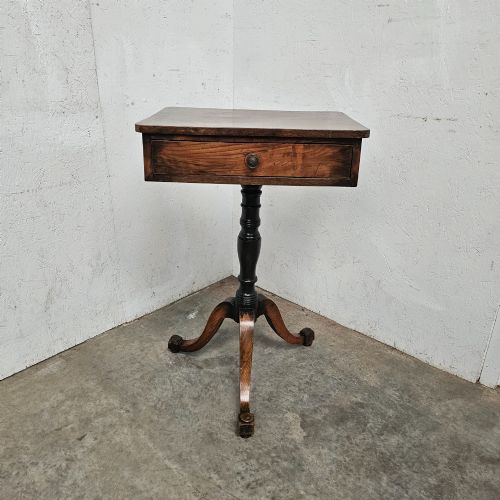
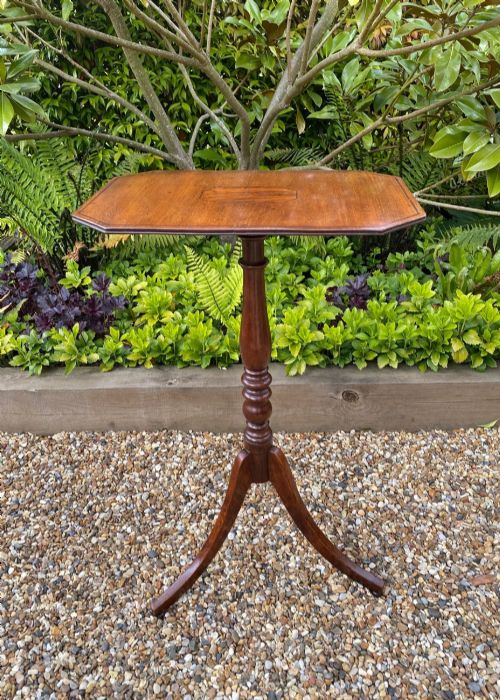
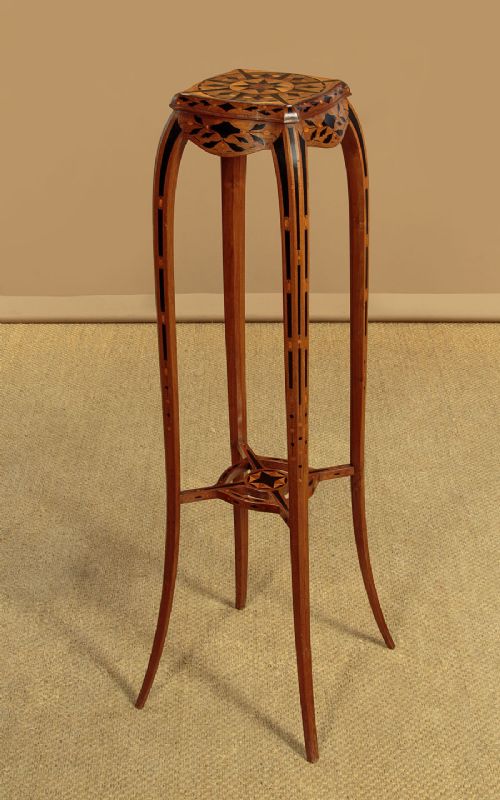
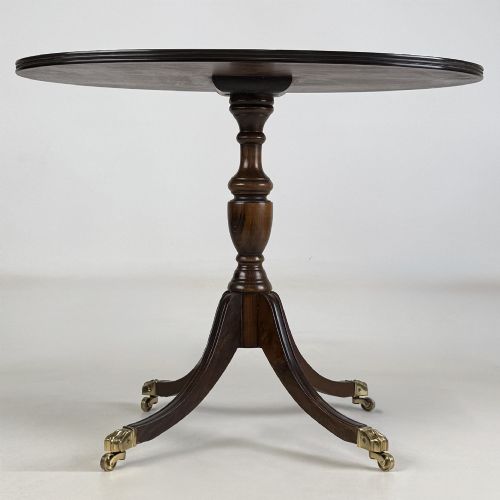
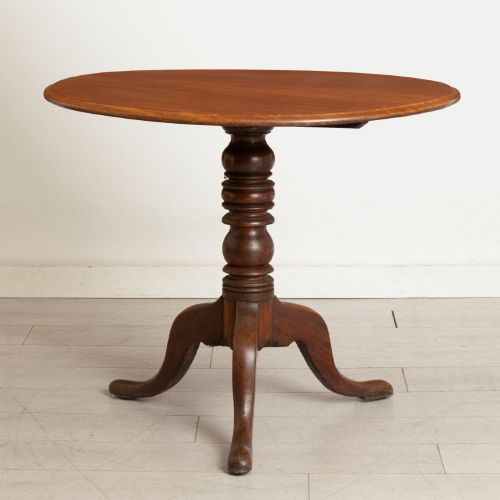
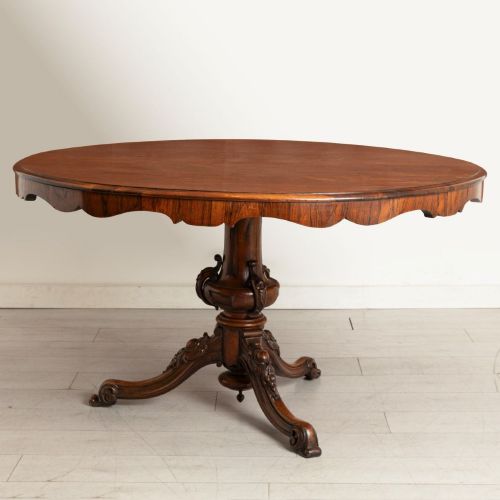
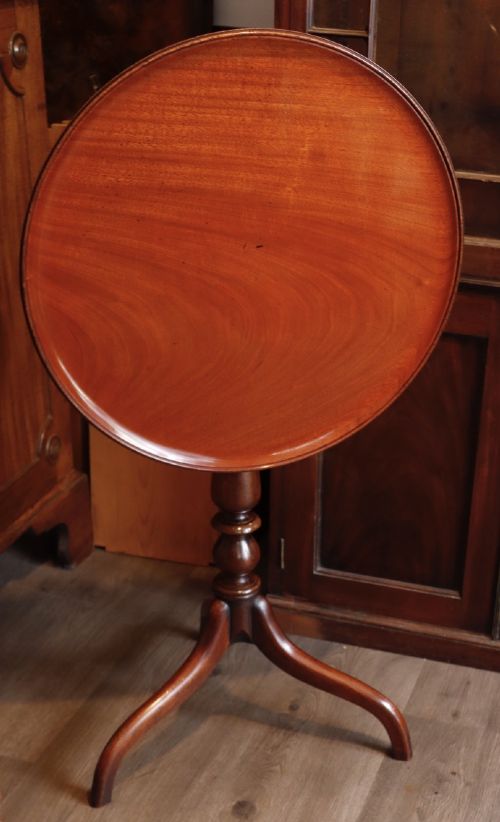
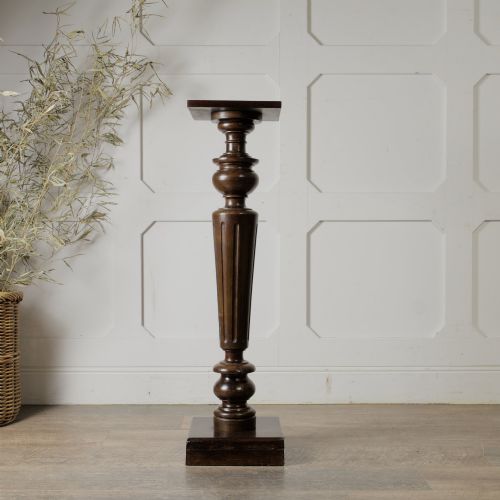
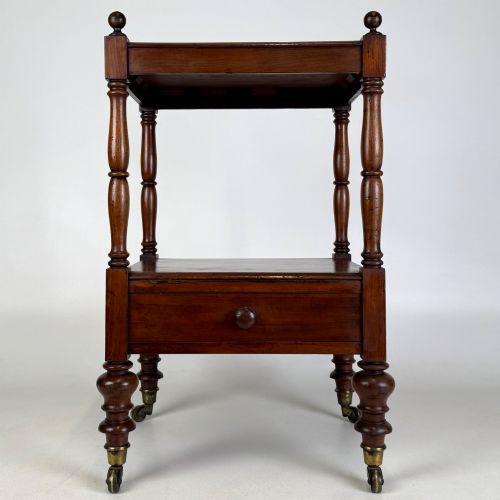
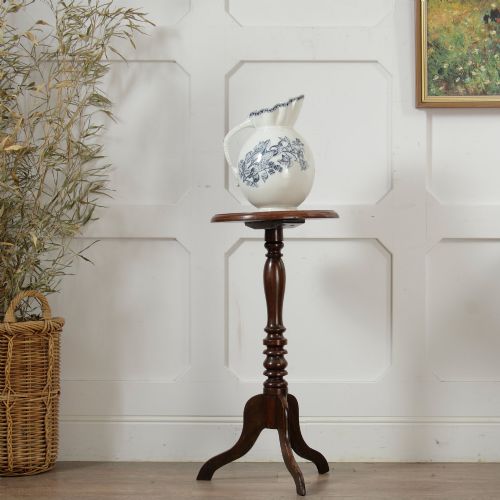
The turned wood pedestal appears across a range of domestic forms, spanning plant stands, torchères, smoking stands, and small tables such as wine tables and tilt-top tripod tables. These pieces serve to elevate objects or provide a stable surface in reception rooms and parlours, utilising vertical space efficiently.
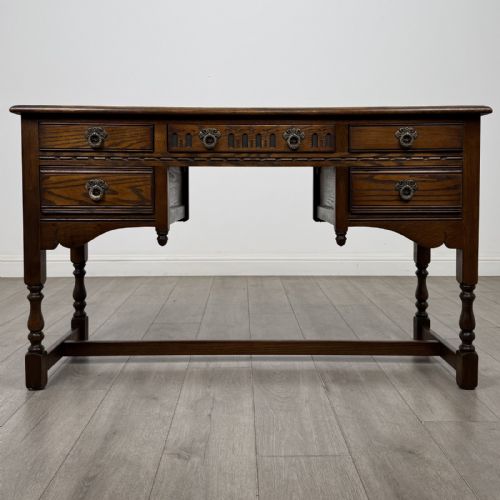
Examples on this page draw from the Georgian, Victorian, and Edwardian eras, alongside pieces from the Regency and early twentieth century. Makers of these periods employed robust timbers to construct upright shafts supported by tripod legs or stepped circular bases.
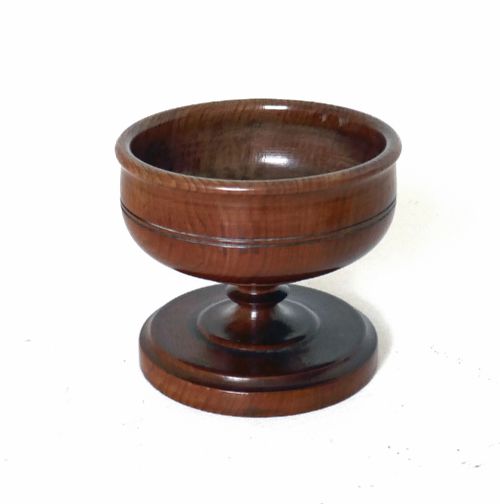
The buyer meets variations ranging from small treen goblets and salt cellars to substantial mahogany plant stands and breakfast tables. Each version relies on the central turned column as the primary structural and visual element.
Materials and lathe work
Cabinet makers utilised dense hardwoods such as mahogany, walnut, rosewood, oak, yew, and elm to turn the central shafts and shape the supporting surfaces. These timbers provided the necessary weight and tensile strength for slender pillars and three-legged tripod bases.
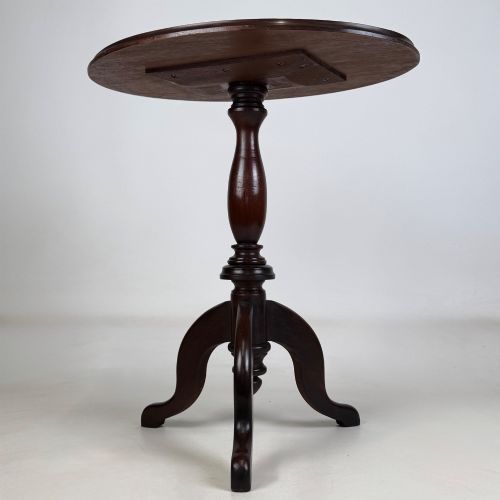
Turning on a lathe produced the characteristic reeded, fluted, and baluster profiles found on columns and pedestals. Joinery often involved tenons and birdcage mechanisms to allow tilt-top movement without compromising the stability of the central post.
Listings include timber varieties such as mahogany, walnut, oak, rosewood, elm, yew, and ebony alongside brass and glass elements.
Proportion and turning crispness
Quality rests in the precision of the lathe work and the balance of the proportions between the shaft, the base, and the top. Crisp mouldings and sharply defined reeding indicate skilled execution by the turner.
The selection of timber grain, particularly in burr oak, rosewood, or figured mahogany, distinguishes finer examples. Solid construction without excessive modern intervention preserves the structural integrity of the pedestal.
Druce & Co London
The Turned Wood Pedestal Glossary
- Torchère
- A tall, slender stand designed to support a candle or lamp. These pieces often feature highly decorative turned shafts and raised tripod bases.
- Tripod table
- A small occasional table supported by three legs radiating from a central turned pedestal. This configuration prevents rocking on uneven floors.
- Tilt-top
- A tabletop hinged to the top of the pedestal column so it can pivot vertically when not in use. This mechanism allowed tables to be stored against walls in smaller spaces.
- Treen
- Small handmade wooden household objects produced by turning or carving. Pedestal goblets and salt cellars fall into this category.
- Birdcage
- A wooden framework beneath a tabletop that allows the surface to both rotate and tilt. It sits directly atop the turned pedestal column.
Turned Wood Pedestal: Frequently Asked Questions
What was a pedestal table used for?
These tables served multiple functions in period rooms, acting as stands for wine bottles, tea services, candles, or reading materials. Their small footprints made them easy to move near seating areas as needed.
Larger versions operated as breakfast or dining tables, while tall stands held plants or lighting. The central pedestal design allowed diners to sit without legs obstructing their placement.
How do I identify a Georgian pedestal?
Georgian pieces typically feature dense mahogany or yew timbers with hand-turned shafts showing deep patination. Look for tripod bases with pad feet, snake legs, or spade feet depending on the exact decade.
Construction details such as pegged joints and absence of modern fixings help confirm the period. Proportion and weight are reliable indicators of eighteenth-century craftsmanship.
Can I use a plant stand daily?
Plant stands and torchères are structurally suited for holding moderate weight such as ceramic pots or lamps. Ensure pot bases do not leak water onto vulnerable polished wood surfaces.
Placing felt pads beneath heavy items prevents scratching. Routine dusting maintains the finish of the turned columns.
What is a tilt-top mechanism?
The tilt-top mechanism connects the tabletop to the pedestal via a pivoting block and catch. This allows the surface to flip flat against the pillar when space is required.
Inspect the pivot hinge to ensure the brass or wooden pins move freely. A secure catch keeps the table flat during use.