

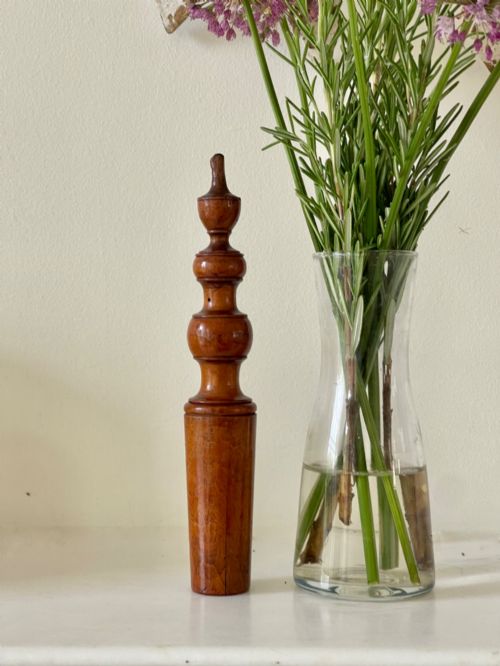
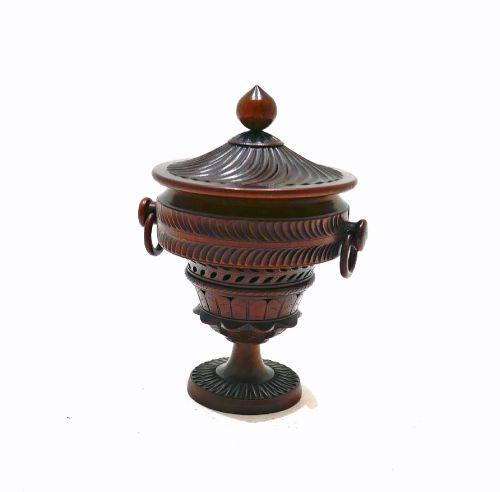
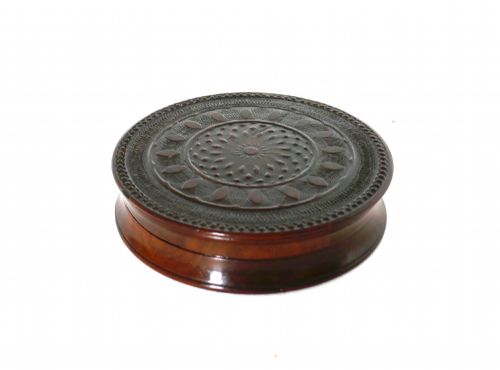


Turned Treen Collectable
Turned treen collectables are small wooden utilitarian objects shaped on a lathe, offering a tactile connection to domestic and professional life across past centuries.
Turned Treen Collectable
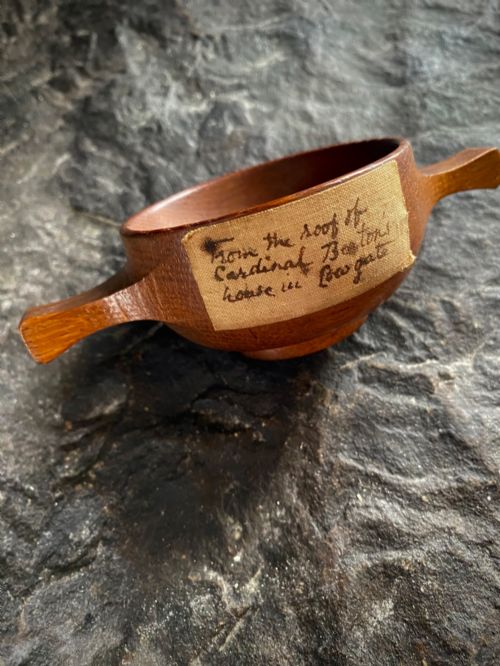
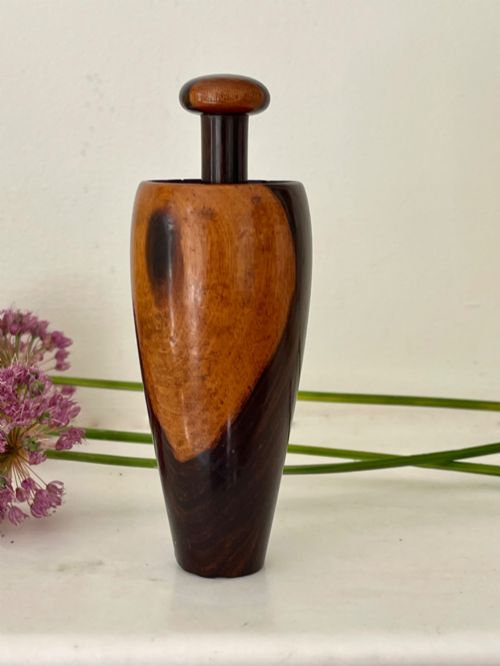
When you search for turned treen collectable, you encounter a diverse array of small wooden objects fashioned on a lathe for household, personal, and professional use. These pieces span from the seventeenth century through the Georgian and Victorian eras, reflecting centuries of domestic utility and craftsmanship.
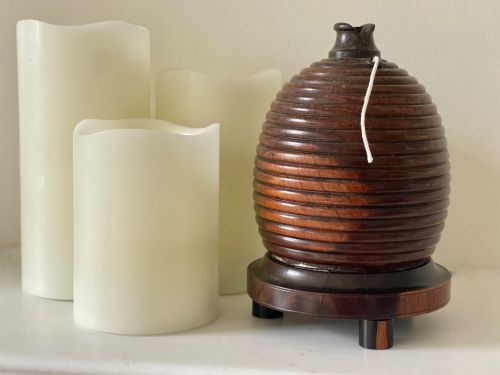
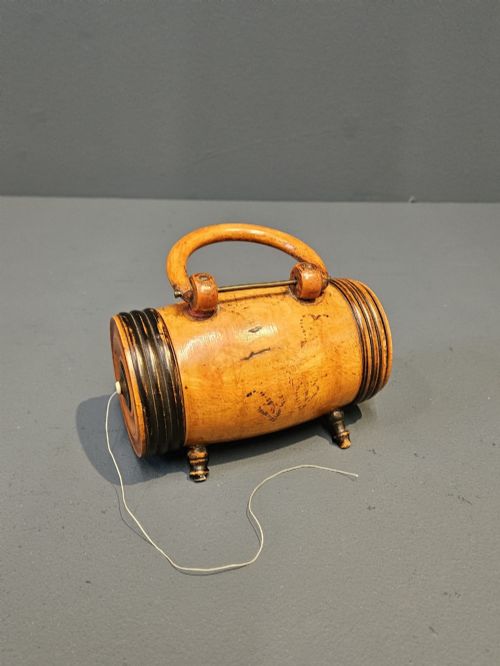
The items found here include kitchenware, desk accessories, and personal items such as snuff boxes, mortars and pestles, string dispensers, and lemon squeezers. Each object served a specific daily purpose before surviving as a collectable display piece today.
The selection ranges from utilitarian kitchenalia like spice grinders and bowls to curious novelties including bird calls, toys, and fruitwood pomanders. These artefacts preserve the functional ingenuity of past households in durable timber.
How they were made
These objects rely primarily on turning on a lathe, shaping dense hardwoods such as lignum vitae, boxwood, fruitwood, laburnum, walnut, and yew. Master turners exploited the natural grain and density of these timbers to create smooth, symmetrical vessels, barrels, and handles.
Beyond basic lathe work, makers incorporated specialised techniques like engine turning for decorative textures, coopered construction for sturdier boxes, and fitted metal components such as cutters, strainers, and graters. The integration of wood with simple metal elements yielded durable tools designed for frequent handling.
Turned Treen Collectable Retail Price Guide 2026
Typical asking prices for turned treen collectable among the pieces listed under this phrase on Sellingantiques today, from the lower quarter to the upper quarter. They describe what is for sale here now, not the wider market.
Materials recorded across the inventory include boxwood, lignum vitae, fruitwood, laburnum, yew, walnut, and general hardwood.
What varies in quality
Quality in these wooden items rests upon the crispness of the turning, the complexity of the form, and the choice of timber. Dense, tight-grained woods like boxwood and lignum vitae allow for sharper mouldings and finer detail than plain, softer woods.
The sophistication of the object's purpose and any integrated mechanisms, such as functional screw threads on boxes or fitted metal graters, distinguish everyday kitchen utensils from superior examples. Preserved surface patination and tactile smoothness from centuries of use further elevate a piece.
The Turned Treen Collectable Glossary
- Treen
- Small handmade wooden domestic objects. The term derives from the Old English word for tree.
- Lignum Vitae
- An exceptionally heavy and dense hardwood. Its natural oils made it ideal for mortars, mallets, and items requiring high durability.
- Fruitwood
- Timber sourced from fruit-bearing trees such as pear, apple, or plum. Craftsmen favoured it for its fine, even grain and warm colour.
- Engine Turned
- A method of mechanical ornamentation using a lathe to cut precise geometric patterns into the surface of wood or ivory.
- Mortar and Pestle
- A bowl and heavy club used for crushing and grinding spices, pills, or medicinal substances. They appear frequently in boxwood, fruitwood, and lignum vitae.
- Searce
- A fine sieve or sifter used in domestic or apothecary contexts. Examples were turned from wood with integrated mesh.
Turned Treen Collectable: Frequently Asked Questions
What actually counts as treen?
Treen encompasses small functional wooden objects made for the home, kitchen, or personal use, rather than large furniture or architectural elements.
Items range from spoons and bowls to boxes, games, and writing accessories shaped by turning on a lathe.
How do I care for antique turned wood?
Keep wooden pieces away from direct sunlight and rapid temperature fluctuations, which can cause the timber to split or warp.
An occasional application of microcrystalline wax helps protect the surface and preserve the historic patina without sealing the wood unnaturally.
How can I tell older treen apart?
Earlier pieces from the seventeenth and eighteenth centuries often utilise dense timbers like lignum vitae and exhibit heavier tool marks and simpler, robust forms.
Victorian examples frequently display more ornate decorative turning, engine-turned patterns, or mechanical metal additions like string cutters.
Were these items meant to be displayed?
Most of these objects were made strictly for practical service in the kitchen, shop, or parlour rather than for ornament.
Their current status as collectables stems from the beauty of their ageing timber, the tactile appeal of turned surfaces, and their survival through generations of daily use.