




Turned Treen Box
A turned treen box is a small wooden vessel shaped on a lathe, prized for its tactile warmth and domestic utility.
Turned Treen Box
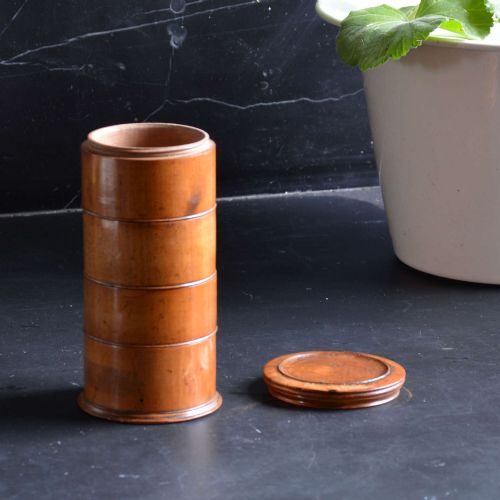
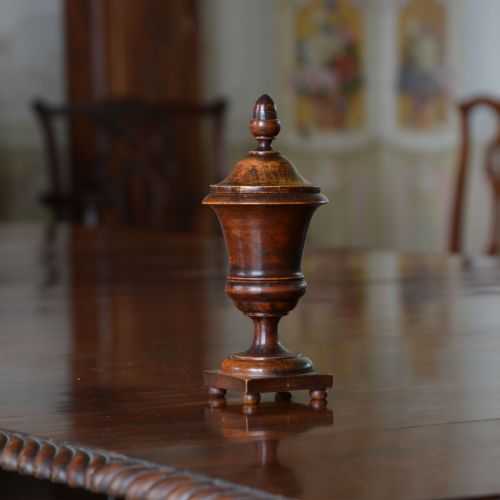
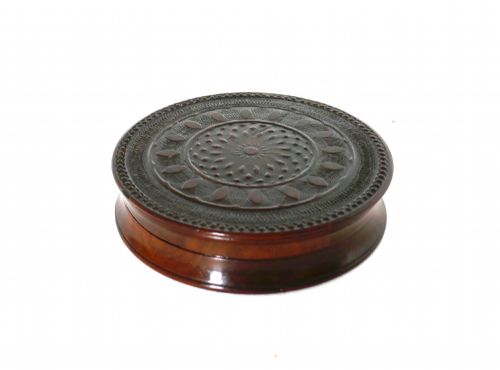
When you search for a turned treen box, you encounter a variety of small wooden containers shaped on a lathe for specific household purposes. The examples found here span the Georgian, Victorian, and Edwardian eras, reflecting centuries of utilitarian craftsmanship.
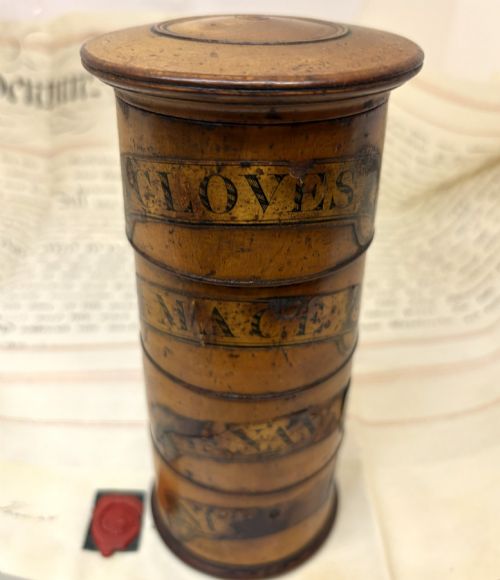
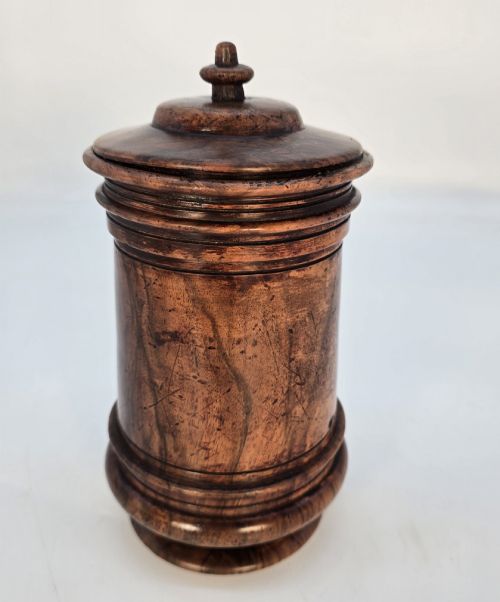
The objects take many forms, from spice towers and string boxes to pill containers and snuff boxes. Fruitwood, boxwood, and mahogany dominate the selection, often turned into compact vessels with tight-fitting lids.
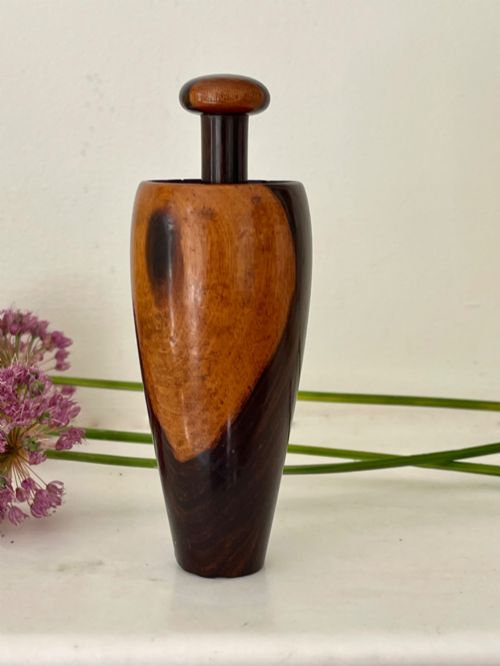
Most pieces date from the nineteenth century, showing the Victorians' taste for organised, functional desk and kitchen accessories. Simpler utilitarian vessels appear alongside more elaborate novelty shapes such as wine bottles and bee hives.
What varies in quality
Quality rests on the crispness of the turning and the retention of the wood's natural surface rather than heavy modern polishing. Better specimens maintain their original lids, matching threads, and precise proportions without warping.
Novelty forms and multi-tiered spice towers demand greater skill from the turner, distinguishing standard utilitarian containers from exceptional workshop pieces.
Turned Treen Box Retail Price Guide 2026
Typical asking prices for turned treen box among the pieces listed under this phrase on Sellingantiques today, from the lower quarter to the upper quarter. They describe what is for sale here now, not the wider market.
The Turned Treen Box Glossary
- Treen
- Small handmade wooden objects for domestic use. The term derives from the old English word for tree.
- Spice tower
- A multi-tiered turned container designed to hold various culinary spices. Sections typically screw or stack securely together.
- String box
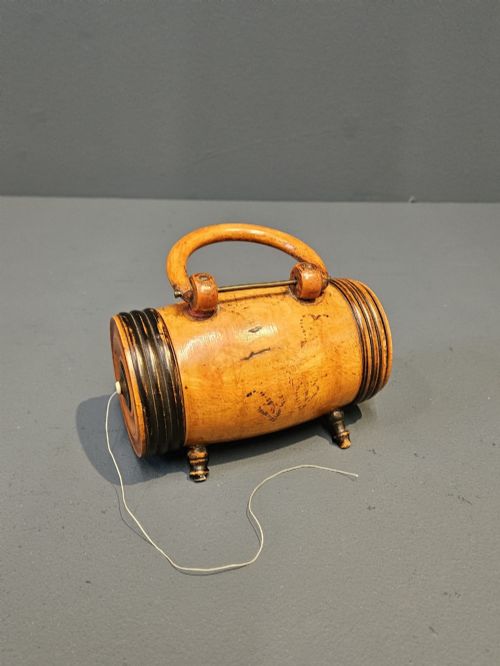
- A domed vessel with a central aperture for dispensing twine or string. Many include an integrated metal cutting blade.
- Lignum vitae
- A dense, heavy exotic hardwood prized by turners for its durability and oily grain. It frequently appears in nineteenth-century string barrels.
Turned Treen Box: Frequently Asked Questions
What were turned treen boxes used for?
These wooden vessels served specific domestic tasks in the kitchen, study, and parlour. They held precious commodities like spices, tobacco, snuff, pills, and twine.
Their robust construction protected contents from moisture and pests while keeping everyday items close at hand.
How do I date a turned wooden box?
Dating relies on the wood species, turning style, and wear patterns. Georgian pieces often display simpler geometric profiles, while Victorian examples embrace novelty shapes and intricate multi-tiered designs.
Tool marks and the patina accumulated through handling also provide clues to age and origin.
How should I care for treen?
Keep wooden containers away from direct sunlight, radiators, and rapid humidity changes to prevent the wood from splitting. A light application of natural wax helps maintain the surface sheen.
Avoid washing them with water, using a dry or barely damp cloth for cleaning instead.
What woods were commonly used?
Turners selected dense, close-grained timbers that could take a sharp edge on the lathe. Boxwood, fruitwood, sycamore, and mahogany appear frequently across the periods.
Exotic woods like lignum vitae and decorative timbers such as burr walnut and laburnum were reserved for finer vessels.