



Turned Timber Seat
A turned timber seat brings honest grain and sturdy construction into a room, offering both practical seating and traditional character.
Turned Timber Seat
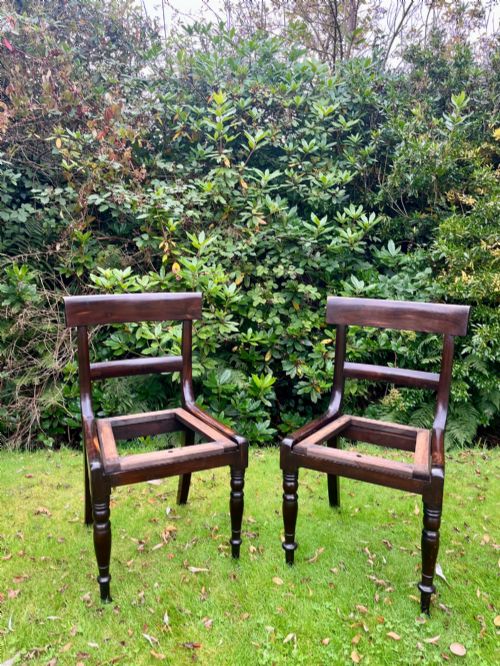
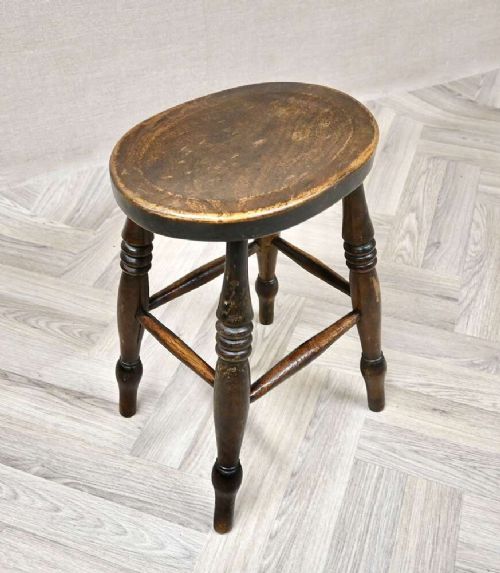
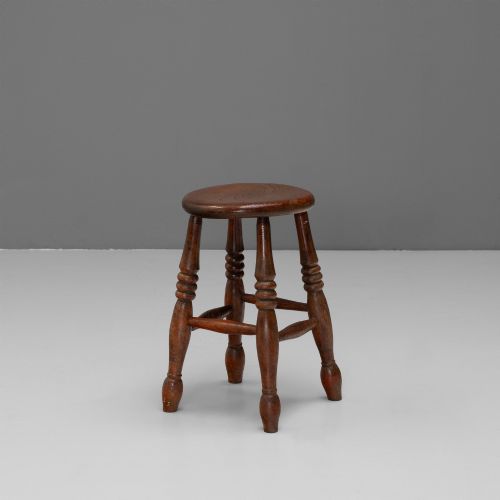
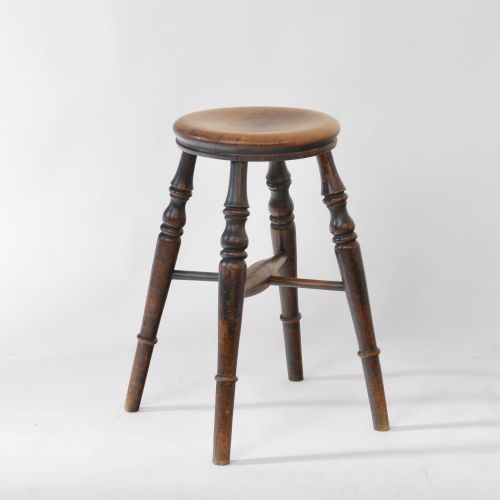
A turned timber seat encompasses a diverse range of historic chairs and stools featuring shaped wooden supports, predominantly originating from the nineteenth century alongside select Georgian and twentieth-century examples.
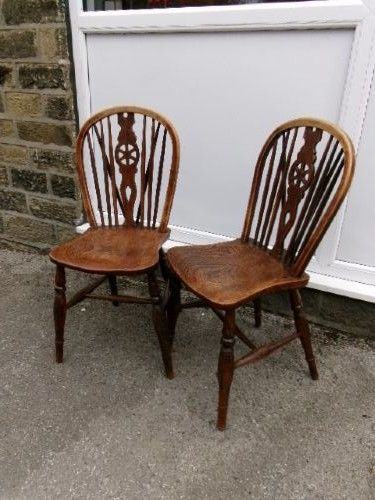
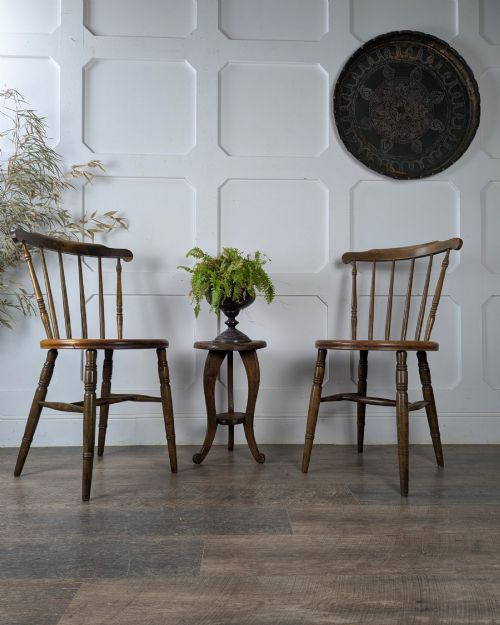
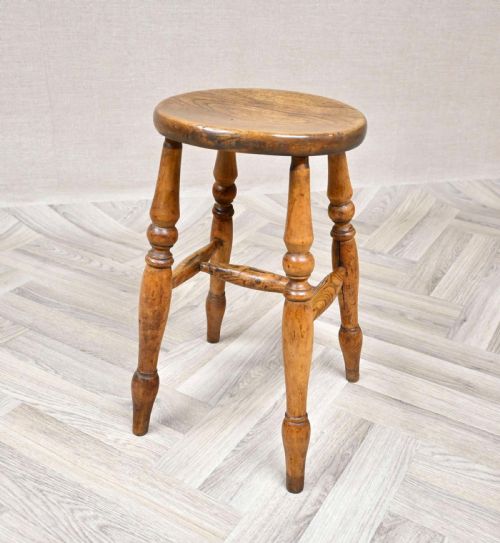
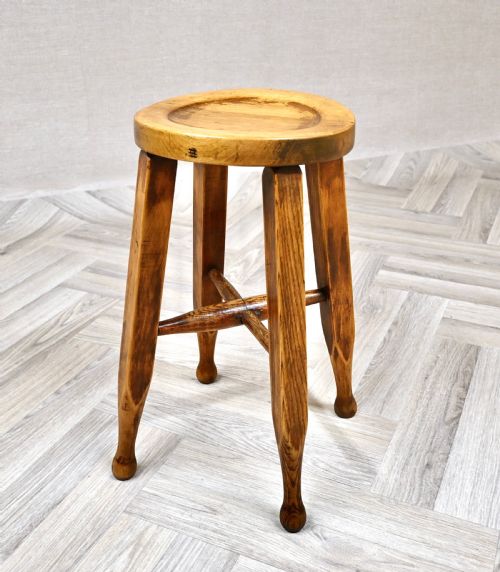
Buyers encountering this category most frequently meet country stools, Windsor forms, and kitchen chairs shaped from native timbers rather than formal urban parlour furniture.
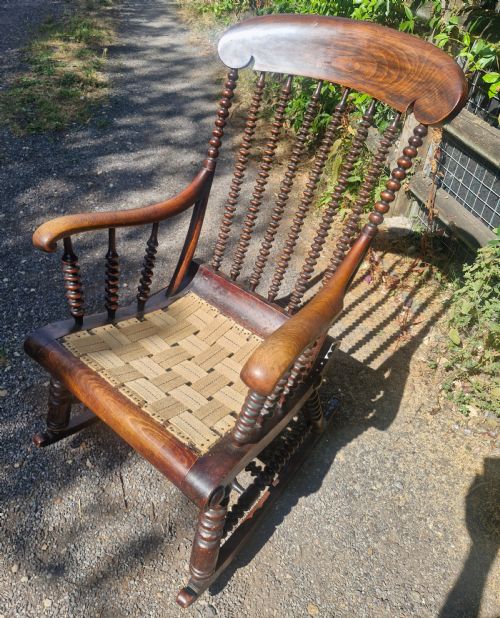
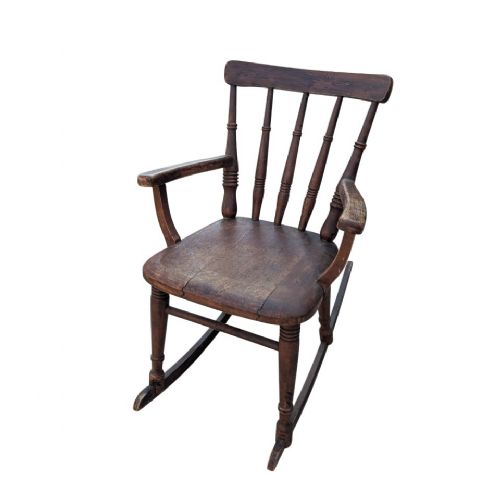
The selection ranges from simple bobbin-framed rocking chairs and tavern stools to sophisticated Scottish side chairs and dining chairs reflecting regional vernacular traditions.
Construction and Materials
Craftsmen built these seats utilising robust domestic hardwoods such as elm, oak, beech, sycamore, and walnut, frequently pairing solid timber seats with turned spindle legs.
Lathe-turning formed the structural spindles and legs, while additional materials like rush, cane, brass, and fabric appear on specific seating surfaces and frames.
Some chairs sport tiny wooden bobbins that look suspiciously like giant sewing supplies hiding in plain sight.
Judging Quality
Quality rests in the crispness of the lathe work and the selection of the primary timber, with richly figured grain elevating the piece above utility grades.
Originality of components and structural integrity separate honest vernacular survivors from heavily restored examples that have lost their original joinery.
The Turned Timber Seat Glossary
- Bobbin
- A style of turning that creates a series of rounded spheres resembling spools along the length of a chair leg or stretcher. This decorative joinery technique appears frequently on nineteenth-century frames.
- Windsor
- A traditional chair construction method where legs and back spindles are wedged directly into a solid sculpted wooden seat. These forms range from simple country stools to wheelback kitchen chairs.
- Vernacular
- Everyday domestic objects made by regional craftsmen following local traditions rather than strict academic style manuals. These pieces prioritise functional durability over high-fashion ornament.
- Rush
- Dried marsh grass twisted into cord and woven tightly to form a supportive seating surface. This material appears commonly on traditional stools and ladderback chairs.
Turned Timber Seat: Frequently Asked Questions
How do I clean a turned timber seat?
Dust the turned spindles regularly with a dry cloth to prevent grit accumulation in the detailed grooves. Apply traditional beeswax periodically to nourish the historic timber surface without sealing the grain.
Avoid modern liquid polishes containing silicone, which can penetrate open pores and damage the patina built up over centuries.
Are these chairs suitable for daily dining?
Many of these wooden chairs were built for heavy domestic or tavern use, making them durable enough for contemporary dining. Check the stability of the leg joints before putting them into regular service.
Lighter frames or rush-seated examples require more careful placement to avoid placing excessive strain on delicate woven surfaces or historic glue joints.
How can I tell a country stool from a formal seat?
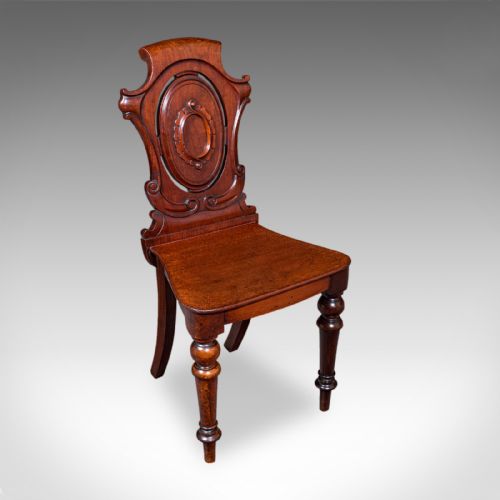
Country stools rely on simpler construction methods, native unpretentious woods like elm and sycamore, and sturdy turned legs designed for utilitarian environments. They lack the carved mahogany ornament and slender proportions associated with formal urban seating.
Their appeal lies in honesty of materials and direct evidence of regional craftsmanship.