


Turned Stem Accent Table
A turned stem accent table is a compact surface built for versatility, bringing period character and practical table space to any corner.
Turned Stem Accent Table
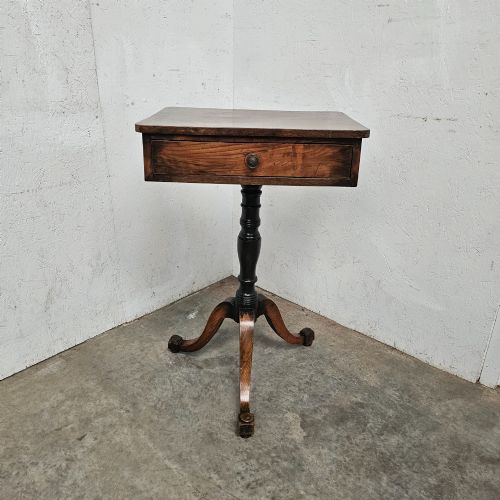
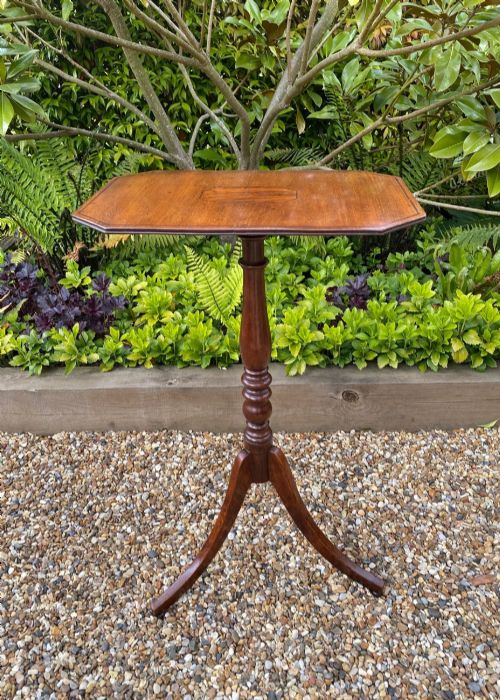
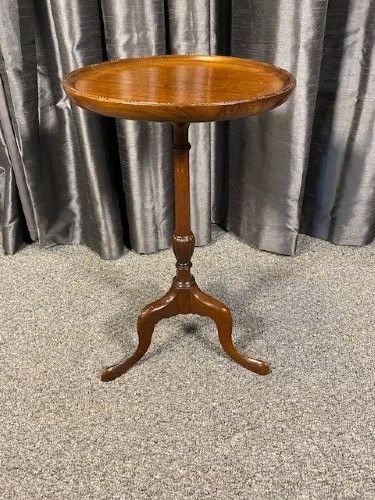
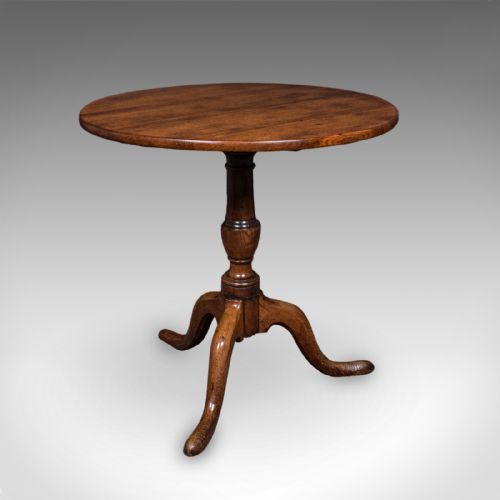
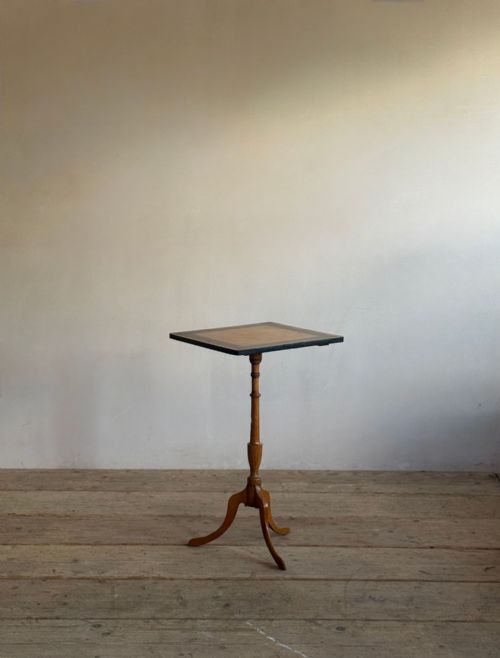
A turned stem accent table is defined by a central pillar supporting a top, often appearing as wine tables, lamp tables, or occasional tables. These pieces span the 18th century, Georgian period, Regency era, 19th century, Victorian period, and Edwardian styles.
The version most commonly met on this page is a tripod table in mahogany or oak, frequently functioning as a side table or candle stand. Makers of these pieces utilised timber turning for the central column to support circular, oval, or tilt tops.
How they were made
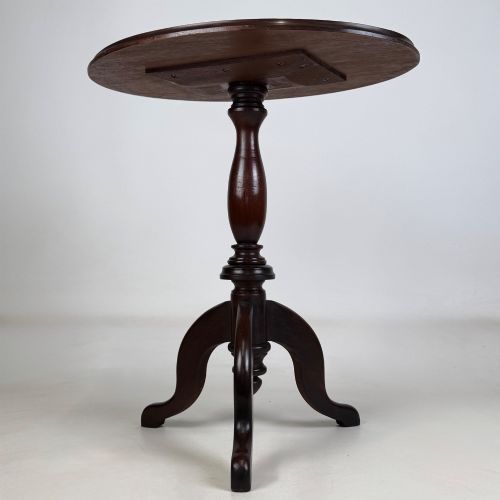
Makers constructed these tables using solid hardwoods including mahogany, oak, elm, cherry wood, beech, rosewood, palm wood, and satinwood, occasionally incorporating wood inlay or penwork decoration. Turning lathes shaped the central stems, while metal brackets or wooden blocks secured the legs.
Many examples utilise a tilt top mechanism, allowing the surface to fold vertical when not in use. Pedestal bases typically feature three splayed legs terminating in various foot forms.
Some miniature mahogany tripod tables were made as cabinetmaker samples or children's toys, scaling down the full-size pillar and claw design.
What varies in quality
Quality in these pieces rests upon the selection of timber and the crispness of the turned stem details. Denser grain patterns and well-figured mahogany or oak elevate the visual weight of smaller surfaces.
Construction methods also distinguish the range, particularly the joinery where the central pillar meets the tripod legs and the top. Superior examples demonstrate careful proportional balance between the turned stem and the tabletop.
The Turned Stem Accent Table Glossary
- Tripod table
- A small freestanding table supported by a central pillar on three legs. This form dominates the selection of occasional and wine tables.
- Tilt top
- A tabletop mounted on a catch mechanism that allows the surface to swivel vertical. This feature saved floor space in period rooms.
- Wine table
- A small pedestal table designed to hold a single glass and bottle. These typically feature circular tops supported by turned stems.
- Dish top
- A tabletop with a raised rim carved directly from the solid timber. This profile prevents items from sliding off the surface.
Turned Stem Accent Table: Frequently Asked Questions
What is a turned stem accent table used for?
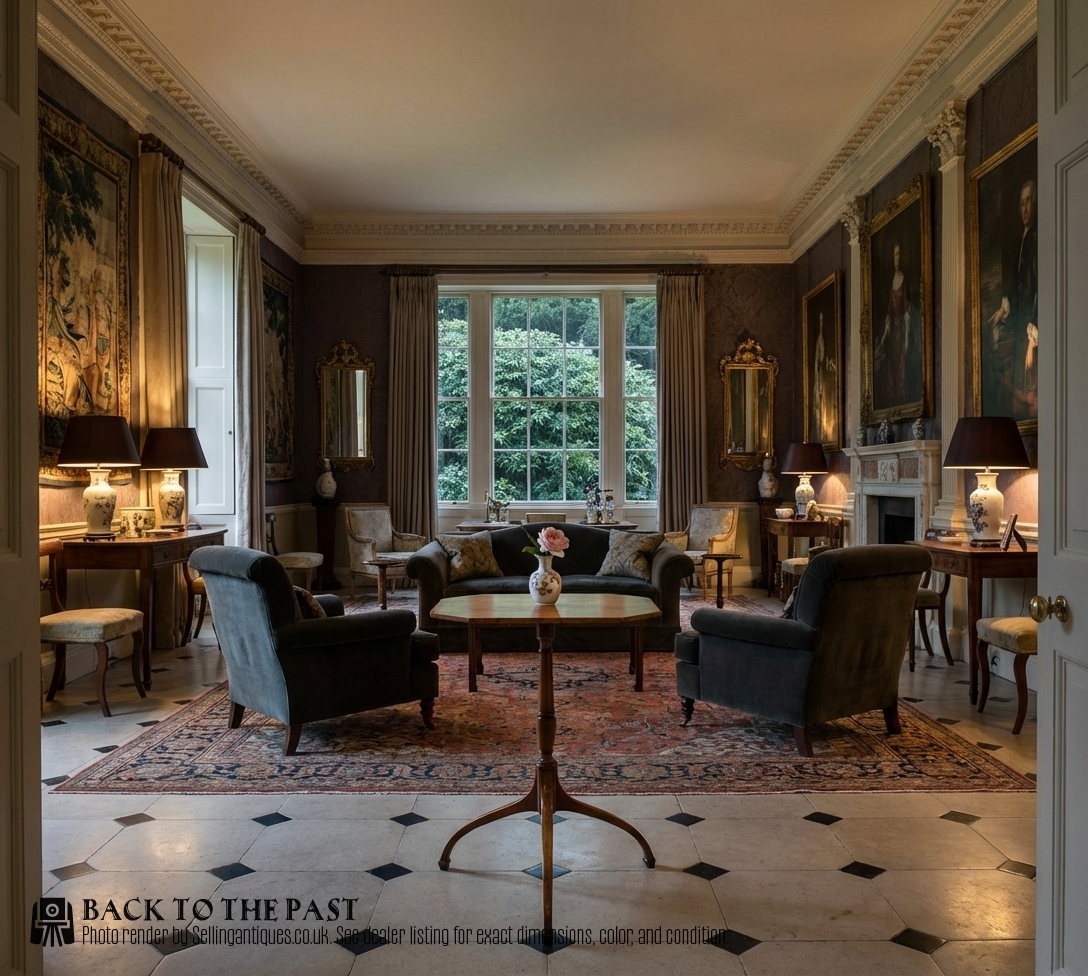
These tables served historically as candle stands, wine tables, or lamp supports in period rooms. Today they function as compact side surfaces beside chairs or in hallways.
The small footprint allows them to fit into tight spaces where larger furniture cannot go. Their portable nature means owners often move them between rooms as needed.
How do I identify a Georgian turned stem table?
Georgian examples often feature mahogany or oak construction with tripod bases and turned central pillars. Look for traditional joinery methods and proportions typical of the 18th and early 19th centuries.
Detailing such as dish tops or penwork decoration can also point towards specific Georgian manufacturing techniques. Stylistic markers align with the Regency and Georgian revival periods found in the listings.
What woods were used for these tables?
Makers predominantly used mahogany and oak, alongside regional timbers such as elm, beech, and cherry wood. Exotic additions like rosewood, satinwood, and palm wood appear in specific pieces.
Inlay work and specimen wood tops utilise contrasting timbers to create decorative patterns. The choice of material often reflects the period and region of manufacture.
What does tilt top mean?
A tilt top mechanism includes a catch block beneath the surface that lets the tabletop pivot from horizontal to vertical. This allowed the furniture to store flat against a wall when not in use.
Many 18th and 19th-century tripod tables utilise this space-saving hinge design. The pivot relies on a wooden or brass latch to secure the top in place.