

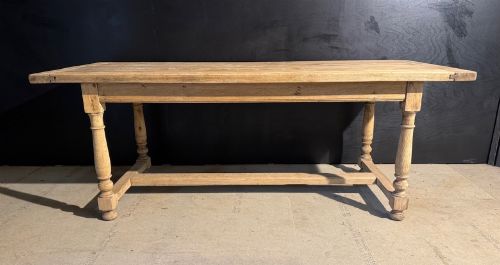
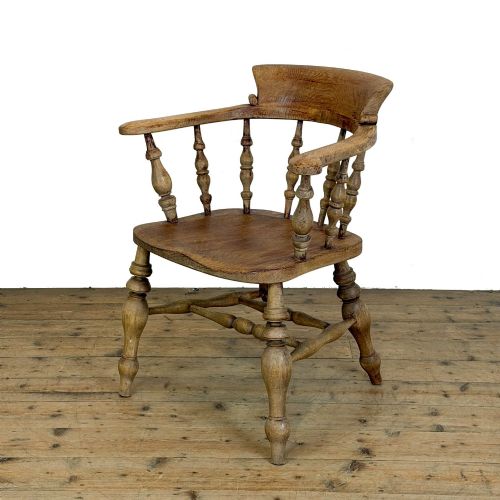
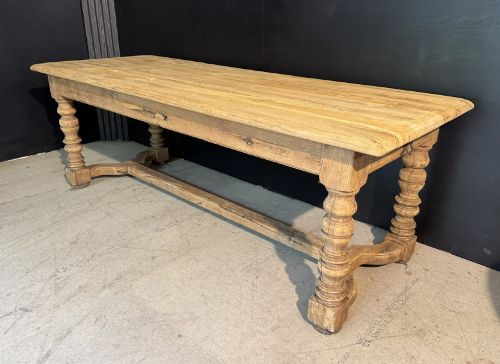
Turned Oak Light
Turned oak light fixtures and lamps bring genuine grain and tactile warmth to an interior, built to anchor a room.
Turned Oak Light
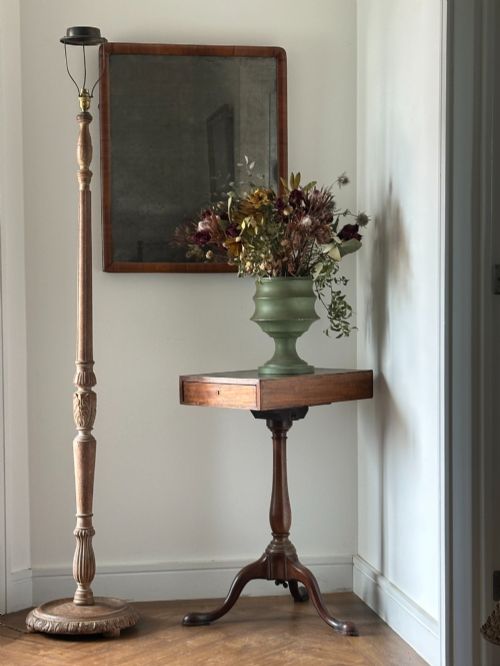
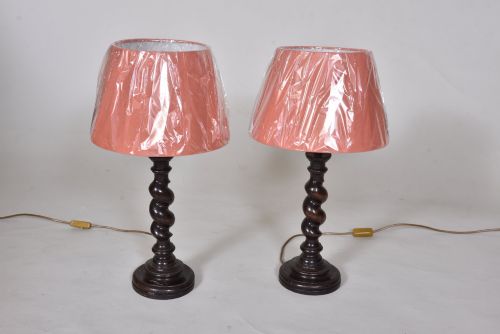
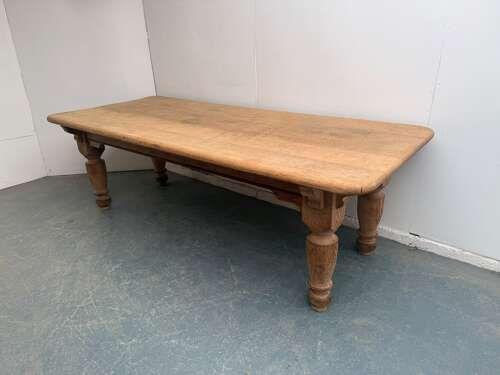
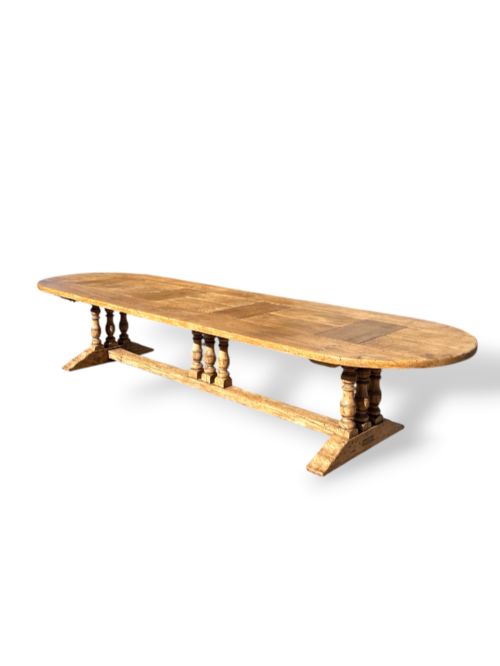
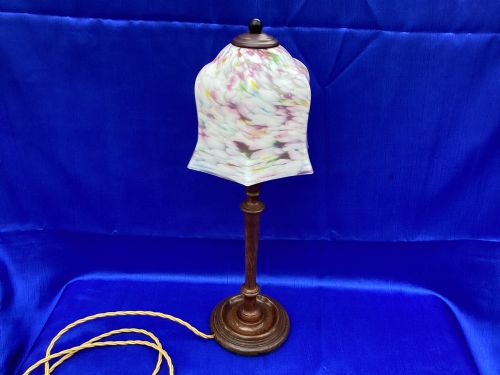
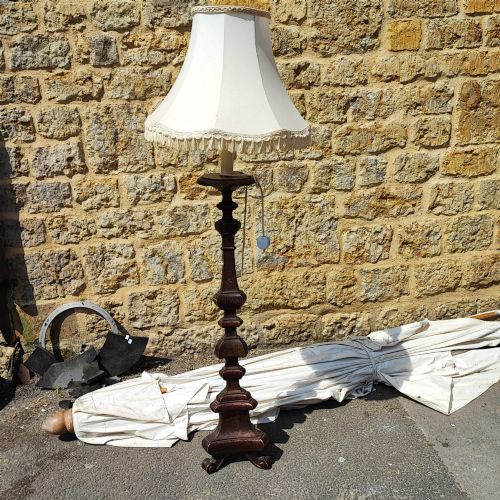
When you search for turned oak light, you are looking at items designed for illumination, predominantly table lamps and standard lamps or floor lamps fashioned from timber. These pieces draw on periods spanning the Victorian era through the 1920s and 1930s, reflecting styles such as Arts and Crafts, Jacobean Revival, and Edwardian design. On this page, you are most likely to encounter standard lamps and table lamps constructed with turned wooden columns.
The selection includes floor-standing standard lamps alongside smaller table lamps and candle holders, which frequently incorporate brass elements or fabric shades. Makers and designers from the early twentieth century, including pieces in the style of Heals and Sons, heavily influenced this aesthetic. These items sit alongside larger furniture pieces in the evidence, though the lighting forms provide specific vertical accents.
The underlying woodwork ranges from dark oak to light oak, bleached oak, and blonde finishes that highlight the natural grain. Originating from English and French traditions, these lamps rely on simple turned profiles rather than elaborate carving. They function as both practical lighting and decorative objects rooted in traditional joinery.
How They Were Made
Makers shaped these pieces primarily from solid oak, utilising lathe-turning techniques to produce cylindrical columns with bobbin, barley twist, or straightforward spindle profiles. Workshops combined this turned timber with brass fittings and occasionally paired the wood with fabric components for shades.
Surface treatments recorded in the evidence range from wax and paint to bleached finishes that lighten the natural tone of the oak. Craftsmen utilised traditional construction methods to secure the vertical shafts to weighted bases, ensuring stability for taller standard lamps.
The listings show turned oak lights spanning from the Victorian era through the 1930s, utilising both light oak and bleached oak.
What Varies in Quality
The distinction between standard examples and superior pieces rests on the precision of the timber turning and the integrity of the oak. Tighter, more complex turns executed on dense oak demonstrate a higher level of workshop skill than plain, chunky shafts.
Proportion and finish further separate the range. Pieces that retain a well-balanced height-to-base ratio and feature sympathetic surface treatments, such as subtle bleaching or clean waxing, stand apart from simpler or heavier-handed productions.
Heals of London·Edward Gardener
The Turned Oak Light Glossary
- Standard lamp
- A tall floor-standing lamp designed to illuminate a room from a corner or beside seating. These often feature turned wooden columns.
- Jacobean Revival
- A style popular in the late nineteenth and early twentieth centuries that revives seventeenth-century motifs. It frequently employs dark oak and heavy turned elements.
- Bleached oak
- Oak timber treated to achieve a pale, lighter tone. This finish removes the darker golden hues typical of older furniture.
- Barley twist
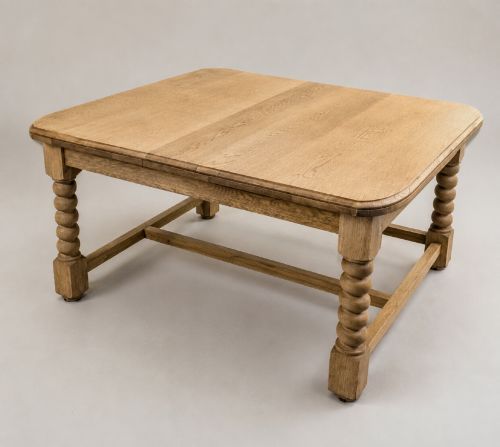
- A type of turning that creates a spiral column resembling a stalk of barley. This technique appears frequently on nineteenth and early twentieth-century wooden shafts.
- Arts and Crafts
- A design movement valuing handcraftsmanship and simple materials. Pieces from this tradition often display honest construction without excessive ornamentation.
Turned Oak Light: Frequently Asked Questions
How do I date a turned oak lamp?
Dating these lamps involves looking at the turning style, the finish of the oak, and any associated hardware like brass fittings. Heavier dark oak often points to earlier Victorian or Jacobean Revival influences.
Later pieces from the 1920s and 1930s frequently utilise lighter blonde or bleached oak finishes. Labels or attribution to makers like Heals provide more precise age markers.
Where should I place a standard lamp?
Standard lamps work well in corners of living rooms, beside armchairs, or next to reading tables where they cast directional or ambient light. Their vertical wooden shafts add height and texture to empty wall spaces.
Ensure the base has adequate floor space for stability, particularly with taller timber columns. They pair naturally with farmhouse and traditional interior schemes.
How do I care for bleached oak?
Care for bleached oak by dusting it regularly with a dry cloth to prevent dirt accumulation in the grain. Avoid excessive moisture and harsh chemical cleaning products that strip the pale finish.
Applying a light, clear wax periodically helps protect the timber surface. Keep the pieces away from direct heat sources to prevent the oak from drying out.