
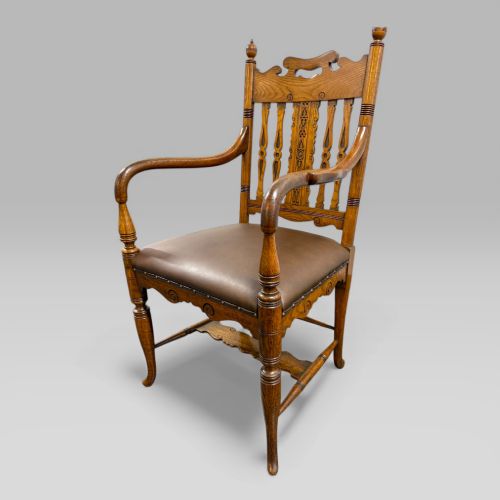
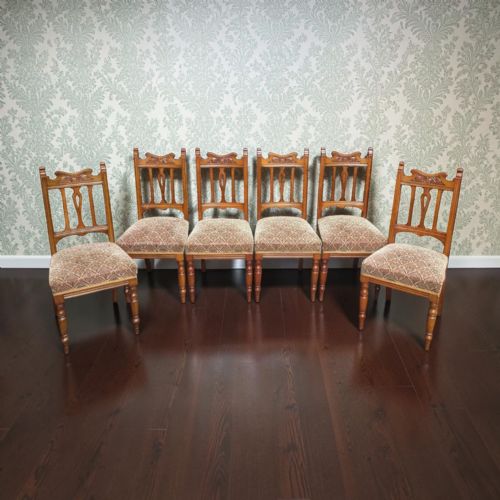
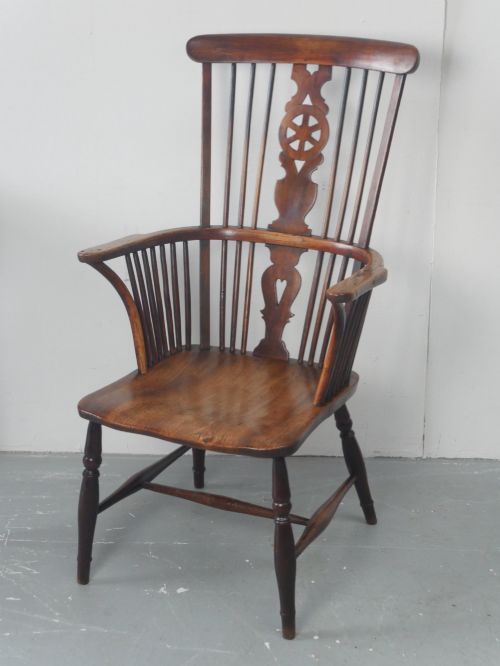
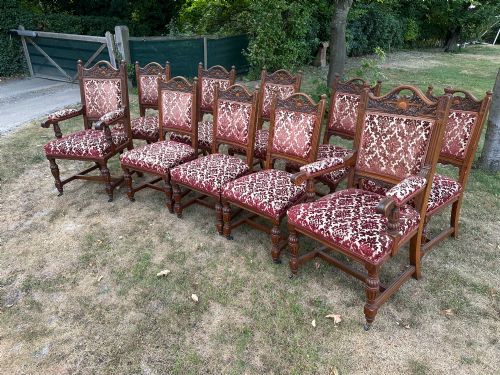
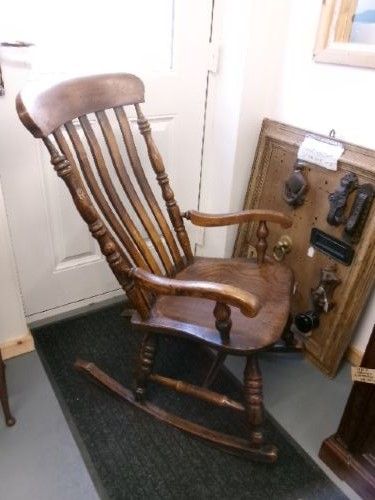


Turned Oak High Chair
A turned oak high chair brings solid timber craftsmanship and historical character directly to the nursery or display corner.
Turned Oak High Chair
A turned oak high chair stands as a sturdy piece of children's seating designed with upright proportions and elevated frames. These items emerge primarily through nineteenth-century and early twentieth-century periods, alongside revivals looking back to earlier seventeenth-century styles.
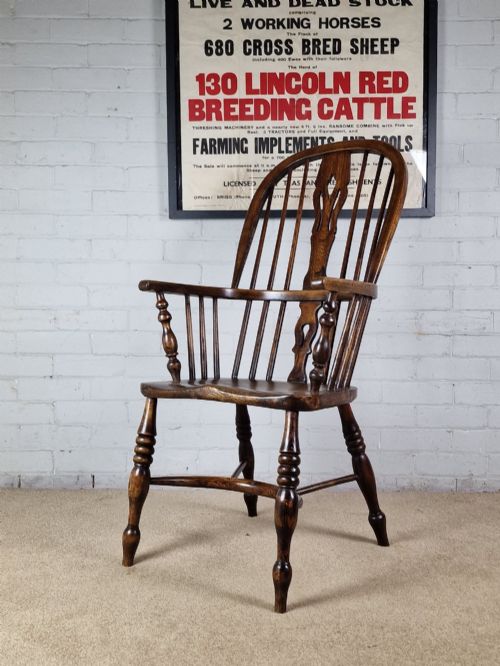
Buyers encounter distinct forms ranging from rush-seated ladderback designs to spindle-backed variants. The selection frequently includes country workshop interpretations alongside revival pieces that mimic seventeenth-century turned framing.
Origins stretch across English farmhouse traditions, with timber frames built to withstand daily use. The elevated stature places the child at table height, merging practical utility with traditional domestic furniture forms.
Evaluating the standard of construction
Quality separates primitive country workshop builds from more refined revival pieces through the precision of the timber turning and joinery. Tighter lathe work on the spindles and balanced proportions distinguish the finer examples from heavier, utilitarian builds.
The choice of primary and secondary woods alters the overall weight and tactile presence of the item. Pieces that maintain intact original rush seating or unblemished oak frames hold greater consistency with their period of origin.
Structural integrity depends on the tightness of the turned joints and the retention of original stretchers without extensive timber replacement. Finer specimens display harmonious scaling between the high seat platform and the surrounding turned framework.
Folk art nursery seating often includes hand-turned spindles whittled by local carpenters who doubled as village toy makers.
Shapland and Petter
The Turned Oak High Chair Glossary
- Turned
- Wood shaped on a lathe to create cylindrical, spiral or decorative profile columns. This technique forms the structural legs and supporting spindles characteristic of these chairs.
- Ladderback
- A chair back constructed from horizontal slats set between two upright posts. This traditional form provides robust back support in country seating.
- Rush
- Dried marsh grass twisted into cords and woven to create a flexible seat base. It appears frequently in traditional country chairs.
- Spindle
- A slender, turned rod of wood used in rows to form an open backrest or structural support. Spindles distribute weight while keeping the frame lightweight.
- Revival
- A furniture style that imitates the aesthetic of an earlier historical period, such as the seventeenth-century Jacobean or Carolean eras. These pieces date from later nineteenth or twentieth-century workshops.
Turned Oak High Chair: Frequently Asked Questions
What periods do these high chairs date from?
The pieces span the nineteenth and early twentieth centuries, alongside later revivals of seventeenth-century designs. Workshops produced these styles across the Victorian, Edwardian and later periods.
Buyers find both genuine nineteenth-century utility items and twentieth-century revival pieces that emulate earlier vernacular furniture traditions.
How were these chairs used historically?
These elevated seats allowed young children to sit securely at adult dining tables during meals. The sturdy wooden frames provided necessary elevation and containment.
Domestic interiors relied on these practical items in farmhouses and cottages for daily family life before modern nursery furniture existed.
What woods should I expect to find?
Oak serves as the primary structural timber, complemented by ash and elm for turned spindles and flexible components. These dense hardwoods ensured the frame remained stable under constant use.
Secondary materials such as rush occasionally form the seating insert, while brass elements appear in occasional hardware details.
How do I distinguish revival styles from earlier pieces?
Revival items typically date from the late nineteenth or early twentieth centuries while copying seventeenth-century decorative turning and carving motifs. Examining the tool marks, timber oxidation and construction methods helps clarify the actual period of manufacture.
Earlier examples display greater wear patterns and construction traits specific to nineteenth-century country joinery workshops.