

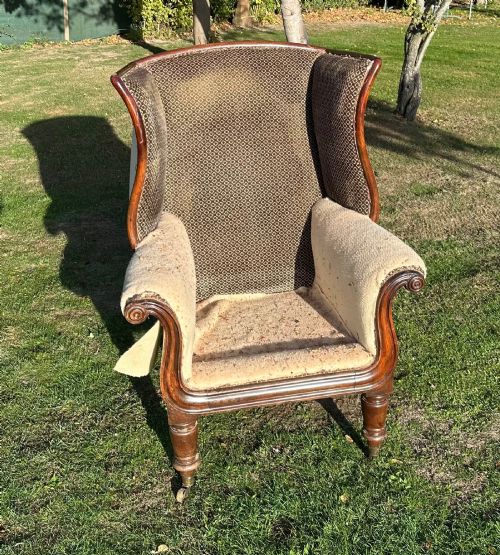
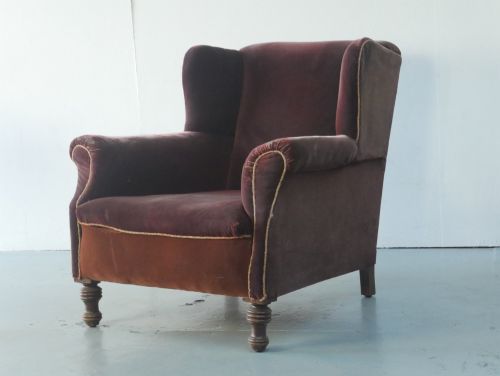
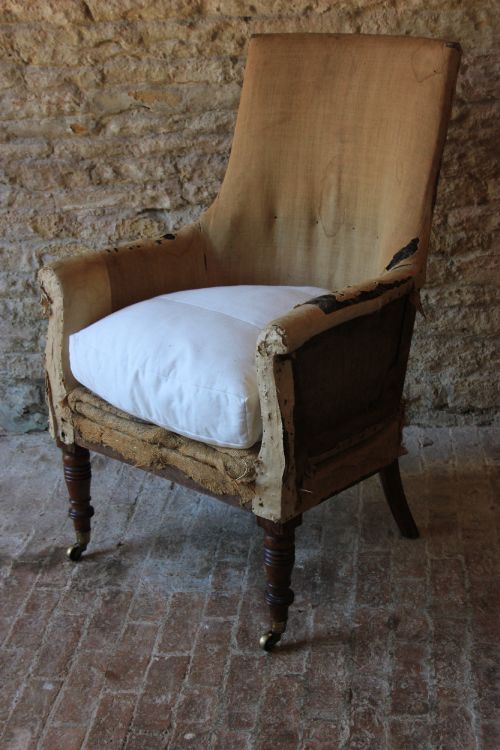
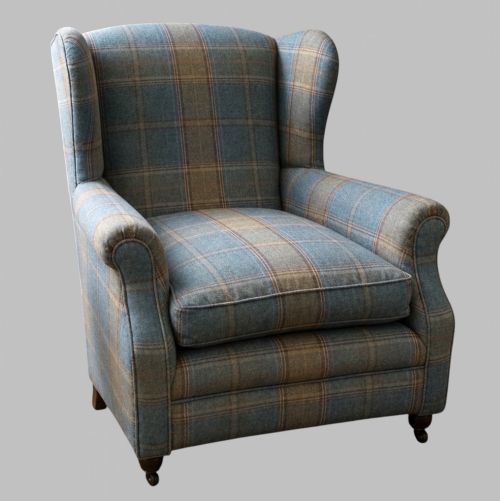
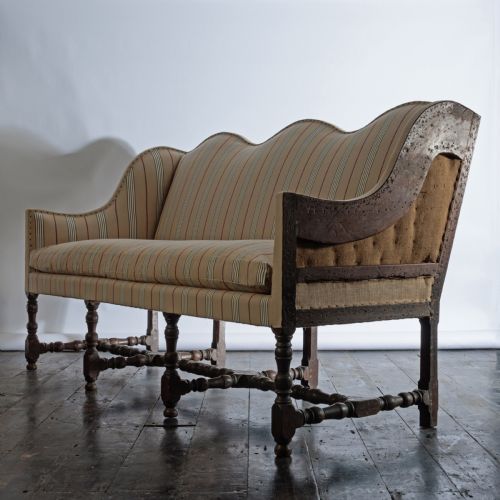
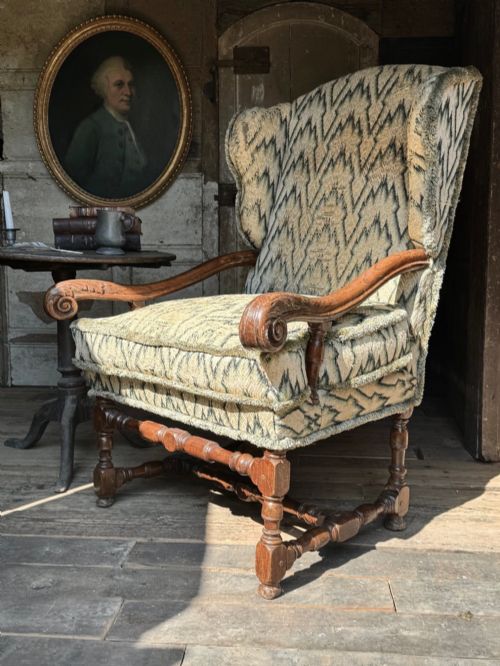


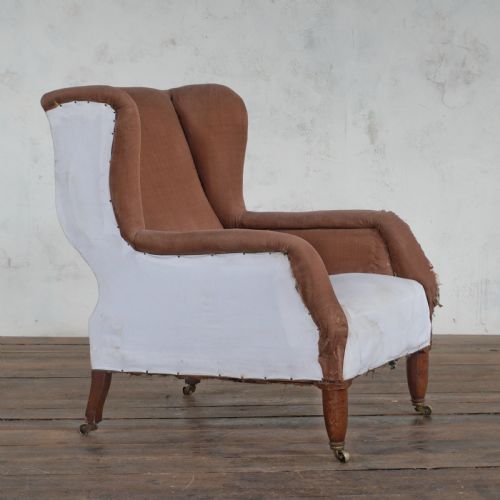
Turned Leg Wingback
These turned leg wingback chairs and sofas bring classic high-backed comfort and period timber framing straight into a room.
Turned Leg Wingback
When you search for a turned leg wingback, you are looking at substantial seating designed to shield occupants from draughts whilst offering proper upright support. The pieces on this page span several centuries, featuring arms, sofas, and settees built in oak, mahogany, and walnut.
You are most likely to meet Victorian and 19th-century examples alongside earlier 17th- and 18th-century forms and later 20th-century revivals. Styles range from English Country House and Regency to French Provincial and Victorian Jacobean Revival.
The defining characteristic remains the upright upholstered back with protective side wings, paired with timber frames that frequently display turned leg construction. Upholstery choices vary from contemporary plaid and green velvet to traditional leather and ticking fabric.
How they were made
Makers constructed these frames using solid hardwoods such as oak, mahogany, walnut, and general timber to ensure structural longevity. Turned woodwork formed the base and legs, requiring skilled carpentry to support the heavy upholstered upper sections.
Upholstery materials combined sturdy interior stuffing with outer layers of fabric, velvet, leather, hessian, and ticking. Brass details sometimes appeared on castors or nailheads, securing the textile coverings firmly to the wooden frames.
Turned Leg Wingback Retail Price Guide 2026
Typical asking prices for turned leg wingback among the pieces listed under this phrase on Sellingantiques today, from the lower quarter to the upper quarter. They describe what is for sale here now, not the wider market.
Listings feature woods such as oak, mahogany, and walnut, alongside brass fittings and upholstery in velvet, leather, and ticking.
What varies in quality
The distinction between ordinary and exceptional turned leg wingback seating lies in the execution of the timber framing and the integrity of the joinery. Superior pieces display carefully turned wooden legs and robust internal frames that have withstood centuries of use without losing their structural balance.
Upholstery standards and textile choices also differentiate the range, from simple cotton ticking and plaid to deep green velvet and fine leather. The proportion of the wings relative to the seat and the purity of the period style dictate the overall refinement of the piece.
Howard & Sons·Thomas Sopwith of Newcastle
The Turned Leg Wingback Glossary
- Wingback
- An armchair or sofa featuring projecting side panels designed originally to trap heat and block draughts. These wings frame the upper body of the sitter.
- Turned leg
- A wooden support shaped on a lathe to create cylindrical, decorative profiles. This technique appears widely on the base of chairs and tables across various centuries.
- Hessian
- A coarse woven fabric, typically made from jute fibres, used traditionally as a foundation layer beneath outer upholstery. It provides internal support for stuffing.
- Ticking
- A tightly woven cotton or linen material traditionally used to cover mattress and upholstery fillings. It prevents interior stuffing from working its way loose.
Turned Leg Wingback: Frequently Asked Questions
How do I identify a 17th-century wingback?
Seventeenth-century pieces typically feature heavy oak framing, austere lines, and proportions dictated by early joinery methods.
They lack the softer upholstery curves seen in later Victorian revivals.
What is a barrel back armchair?
A barrel back incorporates a semicircular upholstered back that curves continuously around the sitter into the arms.
This enclosed shape offers heightened insulation against cold rooms.
Where were Howard and Sons chairs made?
Howard and Sons operated as a renowned London upholstery firm during the nineteenth and early twentieth centuries.
Their pieces are known for fine craftsmanship and stamped timber frames.
Are these chairs suitable for daily use?
Most of these antique and vintage seats were built for practical domestic comfort using durable hardwoods.
Their longevity depends on the current condition of the internal webbing and padding.