




Turned Leg Serving Table
A turned leg serving table brings sturdy utility and historic timber into a dining room or hall.
Turned Leg Serving Table
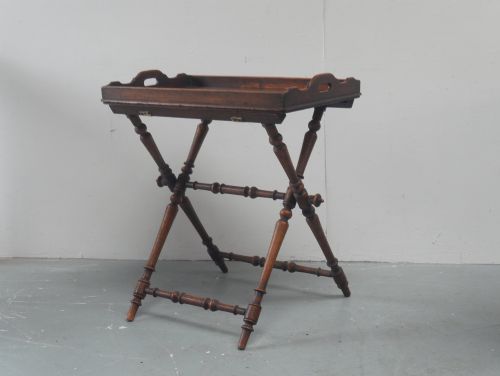
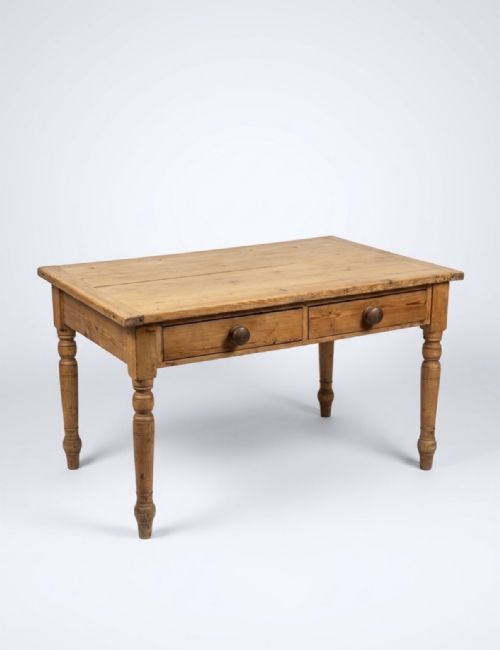
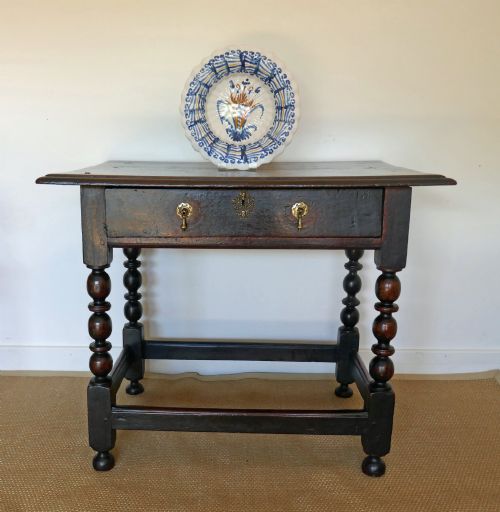
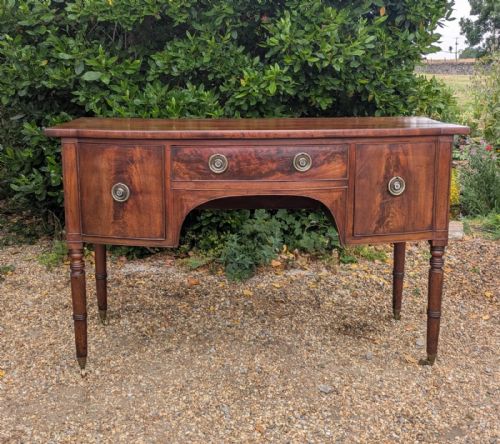
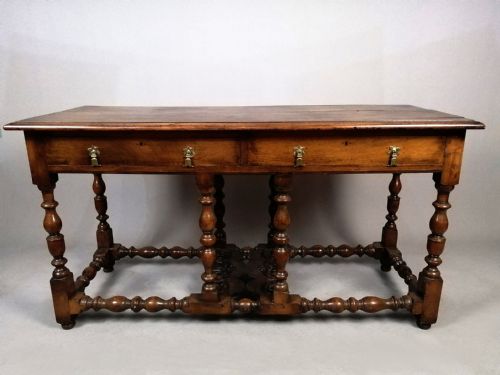
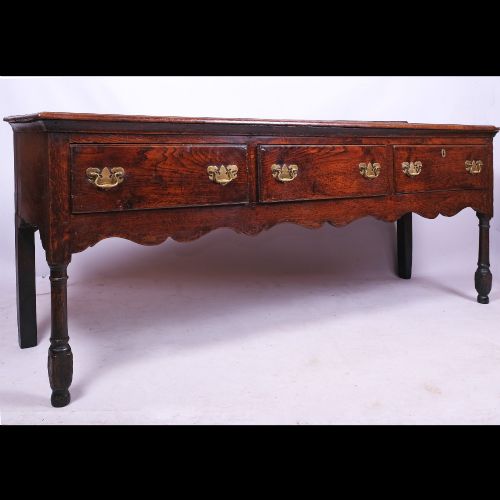
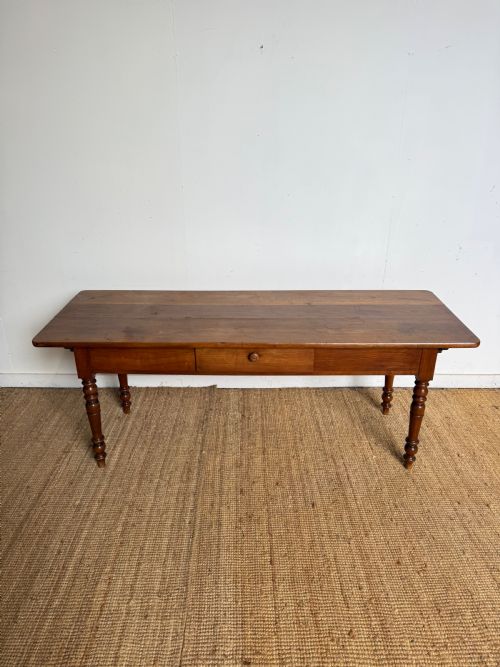
A turned leg serving table serves as a functional surface for food, drink or display, drawing on centuries of domestic design. When you search for a turned leg serving table, you encounter diverse forms ranging from oak dresser bases and refectory serving tables to pine and cherrywood consoles.
The material palette spans native British timbers like oak and pine alongside imported hardwoods such as mahogany and walnut. Pieces emerge from periods as varied as the seventeenth century, the Georgian era, and the Victorian age, reflecting regional British and French country styles.
Construction and timber
Cabinetmakers constructed these tables using solid native and imported woods, selecting oak for early rustic durability and mahogany for finer formal presentation. Joinery relied on traditional methods, while secondary woods like pine appeared in carcases and drawer linings.
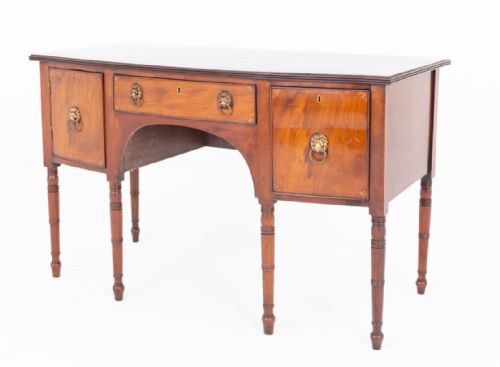
Surface treatments included wax polishing, brass inlay, ebony stringing, and flame mahogany veneer. Legs were shaped on a lathe to produce turned profiles, supporting heavy timber tops and occasionally incorporating drawers.
Listings feature oak, mahogany, pine, and cherrywood across periods from the 17th century to the Victorian era.
Factors that define the grade
Quality rests on the selection and figure of the timber, from plain deal or pitch pine to heavily grained flame mahogany and richly patinated oak. Crispness in the lathe-turned leg and refined subsidiary details, such as brass inlay or ebony stringing, separate utilitarian pieces from finer formal examples.
Structural integrity and the retention of original surfaces dictate value. Alterations to timber, replacement tops, or excessive stripping diminish the authenticity of an antique table.
The Turned Leg Serving Table Glossary
- Dresser base
- A low wooden sideboard or serving table featuring drawers and sometimes cupboards, traditionally used for food preparation and storage.
- Flame mahogany
- A veneer cut from the fork of a mahogany tree that produces a distinctive, fiery flame-like pattern.
- Refectory table
- A long, narrow dining or serving table historically used in communal dining halls and robustly framed.
- Ebony stringing
- A delicate inlay technique utilising thin lines of dark ebony wood to accent mahogany furniture surfaces.
- Pitch pine
- A durable, resinous North American pine variety frequently utilised in nineteenth-century utilitarian furniture.
Turned Leg Serving Table: Frequently Asked Questions
What is a turned leg serving table used for?
These tables provide a sturdy surface for serving food, holding drinks, or displaying decorative items in a dining room or hallway.
Historically they functioned as sideboards or servers during meals, complementing larger dining settings.
How do I identify a Georgian serving table?
Georgian examples often feature mahogany or oak construction with refined proportions, subtle stringing, or brass inlay.
They reflect the formal design standards of the eighteenth and early nineteenth centuries.
Are these tables suitable for daily use?
Solid timber construction makes these antique tables robust enough for everyday household tasks and serving duties.
Careful placement away from direct heat sources preserves the antique wood and polished finish.
What woods were used in these tables?
Cabinetmakers utilised native British timbers such as oak, elm, cherrywood, and pine alongside imported hardwoods like mahogany and walnut.
Selection depended on the period and whether the piece was intended for a country house or an urban interior.