
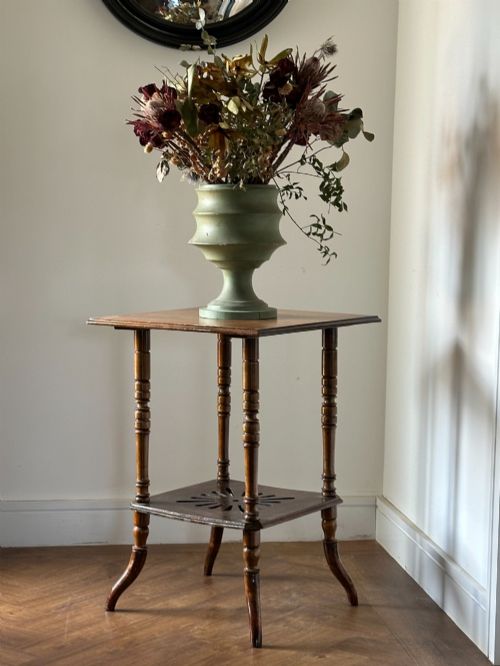
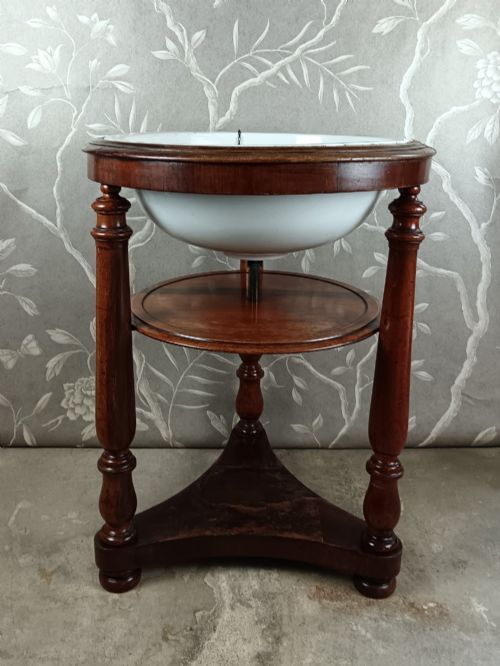

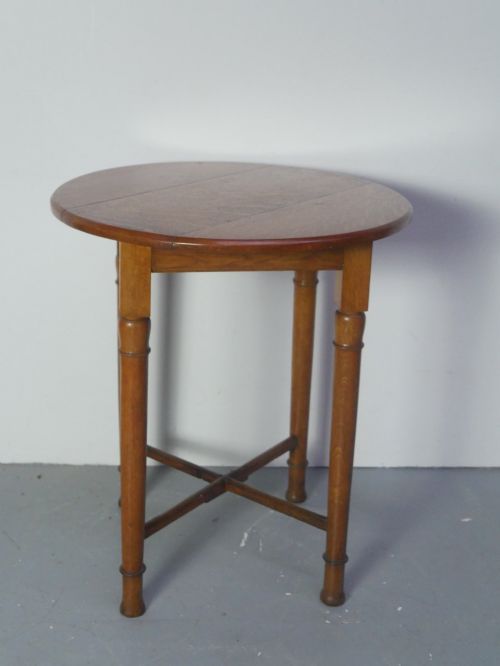
Turned Leg Plant Stand
A turned leg plant stand brings organic warmth and height to a room, drawing the eye upward through its slender framing.
Turned Leg Plant Stand
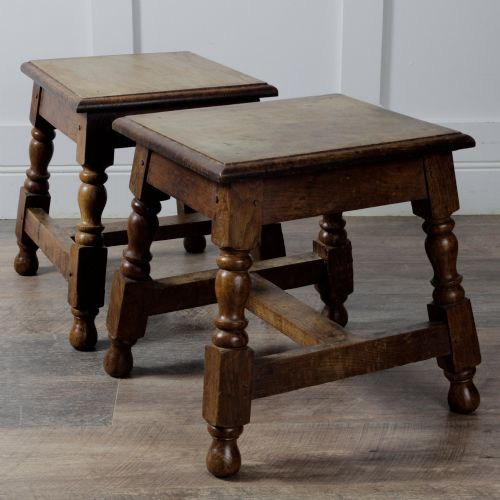
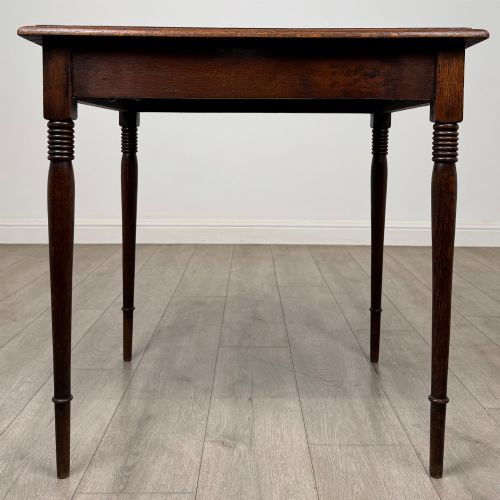
A turned leg plant stand serves as an elevated platform for horticulture and decorative objects, appearing across domestic interiors from the nineteenth century into the twentieth century. When searching for a turned leg plant stand, buyers encounter various forms including occasional tables, stools, washstands, and specific pedestals rooted in Victorian, Edwardian, and Arts and Crafts design movements.
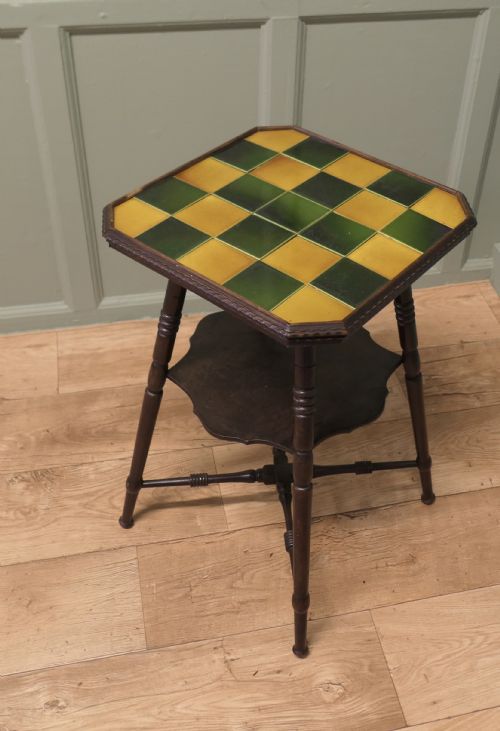
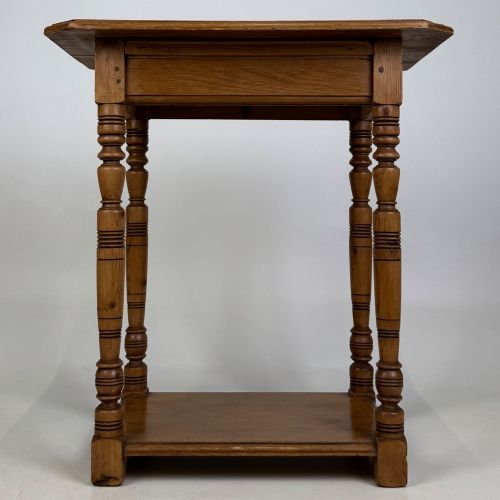
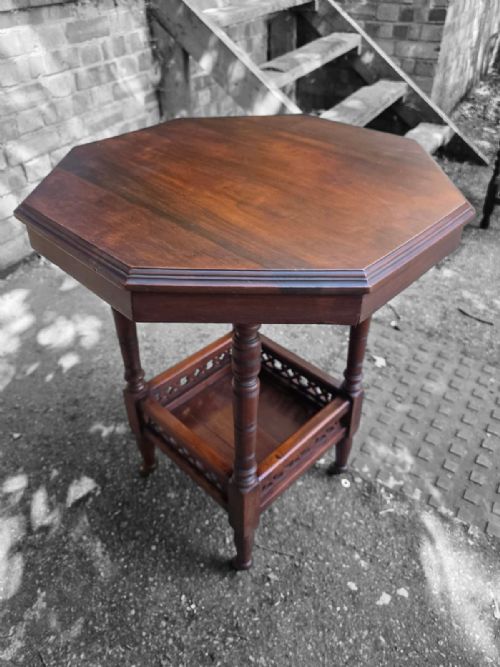
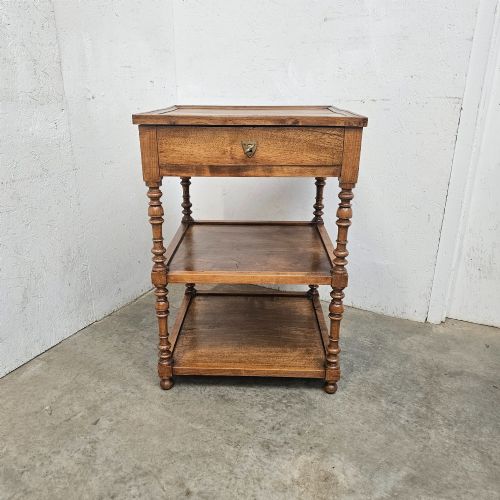
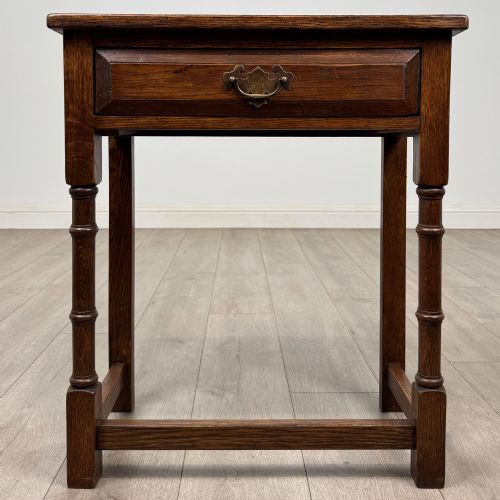
The material palette of these stands relies heavily upon hardwoods such as oak, mahogany, and walnut, alongside ebonised wood and occasional brass elements. Common iterations on this page include sturdy oak side tables and walnut plant stands that display functional turned supports beneath circular or octagonal tops.
How they were made
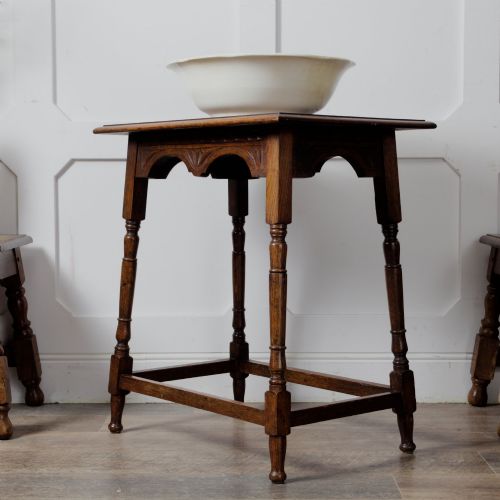
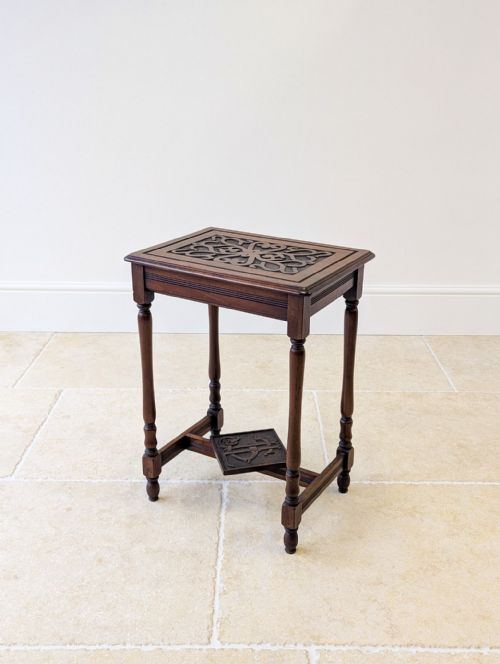
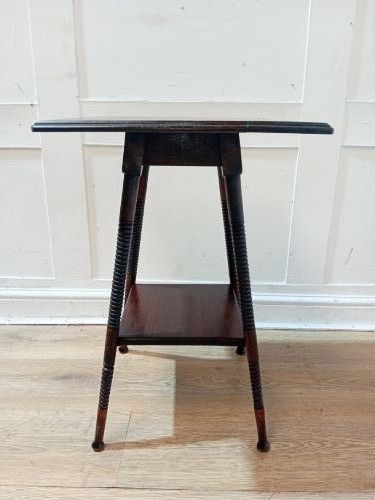
Joiners and cabinet makers constructed these stands predominantly from solid timbers like oak, walnut, and mahogany, frequently turning legs on a lathe to create bobbin, spiral, or straightforward cylindrical profiles. Surfaces often exhibit carved detailing or applied tiles, particularly within pieces produced during the Arts and Crafts and Aesthetic Movement periods.
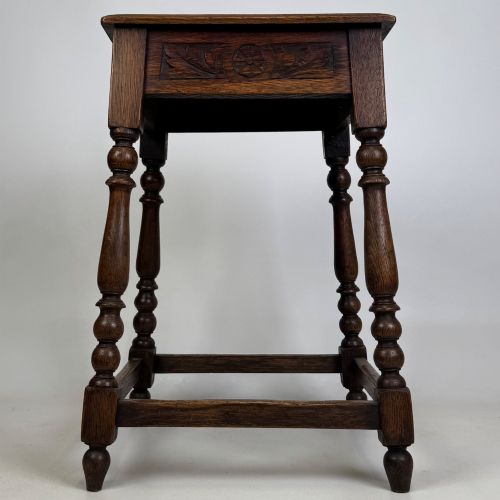
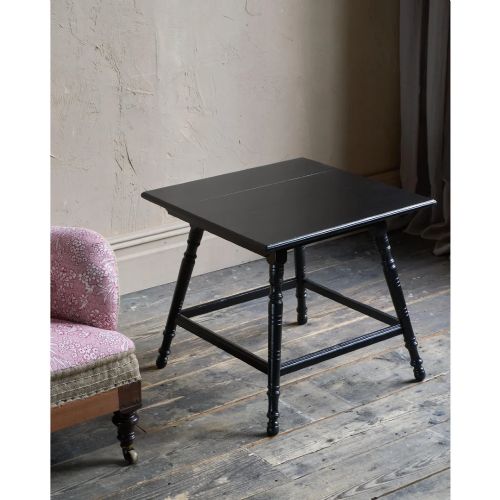
Alternative finishes include ebonising wood to mimic more expensive ebony and applying hand-painted decorations to gypsy tables and washstands. Structural integrity relied upon traditional jointing techniques, visible in jointed oak stools and side tables designed to bear weight securely.
What varies in quality
The standard of timber selection and the precision of the turning work dictate the tier of a stand, with denser hardwoods and crisp, well-defined lathe cuts marking superior examples. Pieces associated with notable firms or specific design movements often demonstrate finer detailing in their carving and surface decoration.
Condition of the original finish and structural stability of the turned legs influence the overall integrity of the piece. Stands retaining their original painted surfaces, tiles, or uncompromised timber joints represent the higher end of the surviving range.
Shapland & Petter·Hindley and Sons·William Birch·Baillie Scott·Druce and Co·Shoolbred
The Turned Leg Plant Stand Glossary
- Bobbin turned
- A style of woodturning characterised by a series of rounded, spool-like shapes resembling bobbins used in textile production. This technique is frequently observed on seventeenth-century revival and nineteenth-century occasional furniture.
- Ebonised wood
- Timber treated with a dark stain or chemical process to imitate true ebony wood. This finish gained immense popularity during the Victorian era and within Aesthetic Movement design.
- Arts and Crafts
- A design movement spanning the late nineteenth and early twentieth centuries that prioritised traditional craftsmanship, simple forms, and visible construction. Makers in this tradition often utilised solid oak and incorporated hand-painted tiles.
- Aesthetic Movement
- A late nineteenth-century movement that championed art for art's sake, drawing heavy inspiration from Japanese design motifs. Ebonised tables and bamboo-turned stands often reflect this aesthetic.
- Occasional table
- A small, versatile table designed for intermittent use around a sitting room or hallway. These pieces function readily as plant stands, lamp tables, or display surfaces.
Turned Leg Plant Stand: Frequently Asked Questions
What is a turned leg plant stand used for?
These stands were originally designed to elevate potted plants and heavy planters away from damp floors and near natural light sources. Today, they serve the same botanical purpose while functioning equally well as display pedestals for ceramics or lamps.
Their compact footprints make them versatile additions to corners, hallways, and living spaces where surface area is limited.
How do I date an antique plant stand?
Dating relies heavily on examining the timber species, joinery methods, and stylistic cues present in the turning and top design. Pieces showing heavy oak construction with hand-carved details or decorative tiles typically point towards the late nineteenth or early twentieth century.
Lighter woods, painted surfaces, and specific revival styles like Jacobean or Aesthetic Movement further narrow the period of manufacture.
Can these stands support heavy plants?
Solid hardwood versions constructed from oak, walnut, or mahogany offer substantial structural stability and easily bear the weight of heavy ceramic planters. Pegged joints and sturdy turned legs distribute weight evenly down to the floor.
Lighter occasional tables or tripod gypsy tables are better suited for smaller pots and lighter decorative items rather than massive indoor trees.