
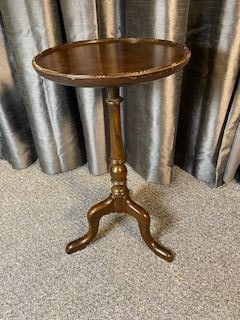

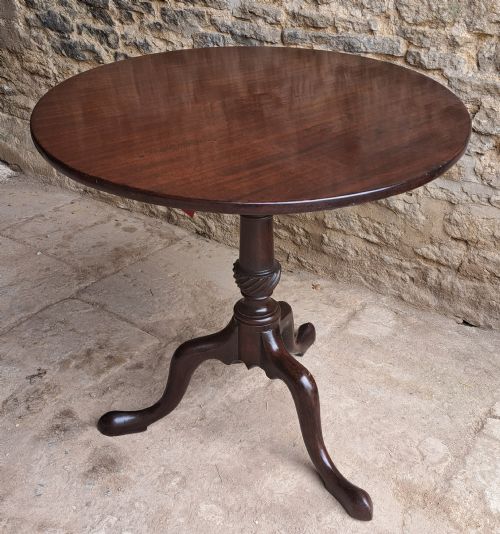
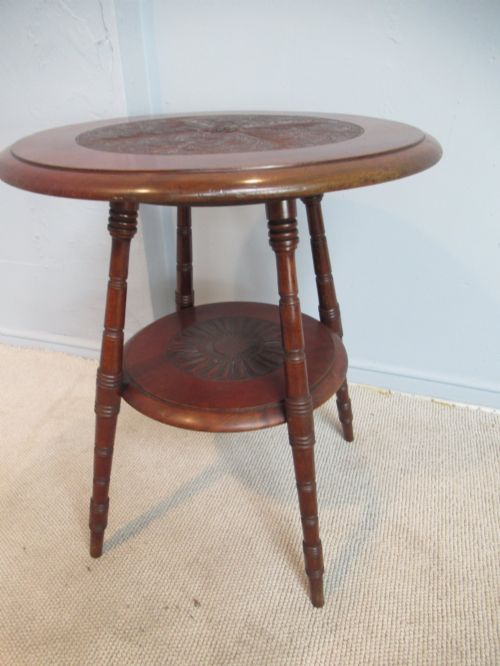
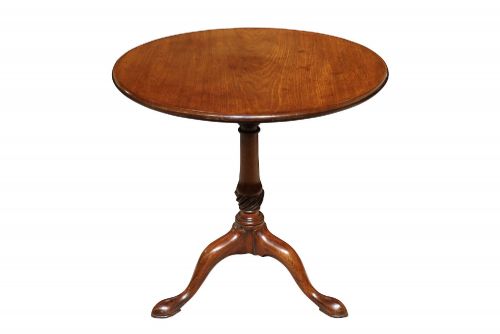

Turned Leg Circular Table
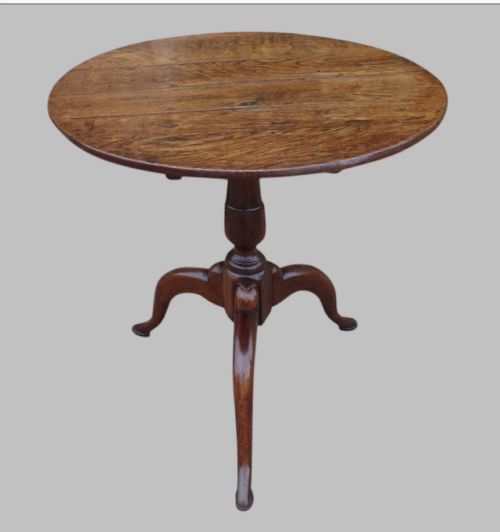
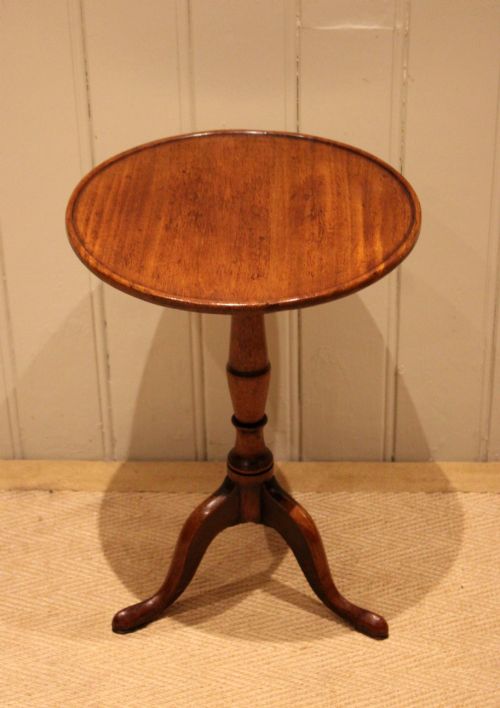
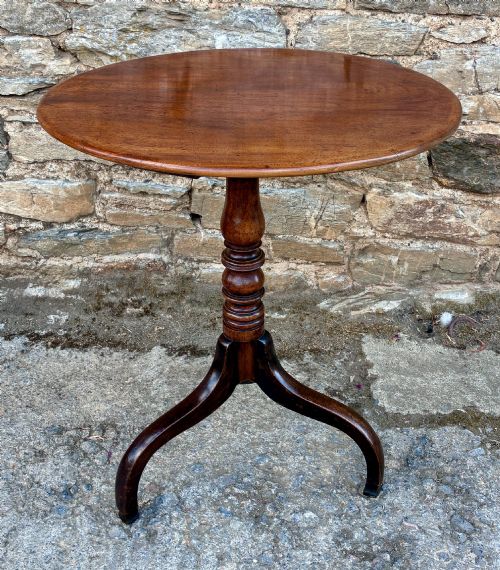
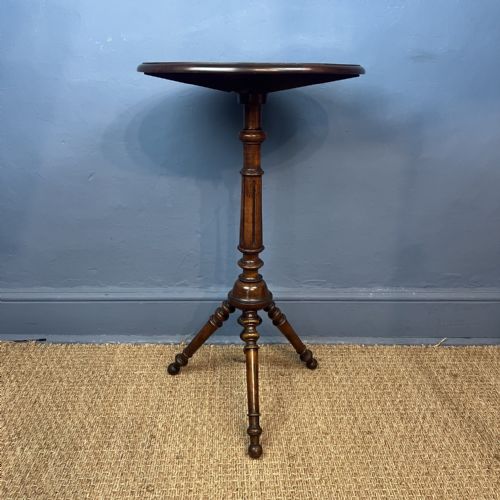
A turned leg circular table is a compact round piece supported by spindle-turned uprights, combining everyday utility with centuries of timber craftsmanship.
Turned Leg Circular Table
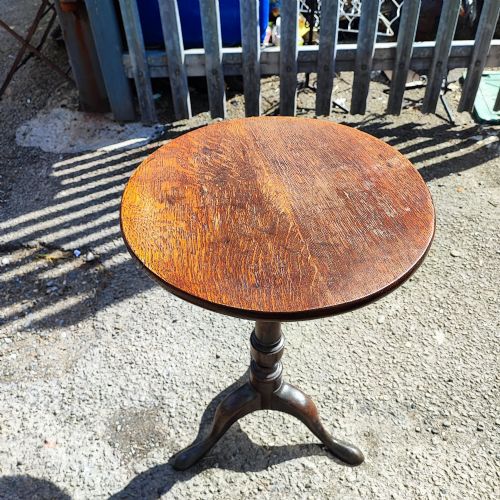
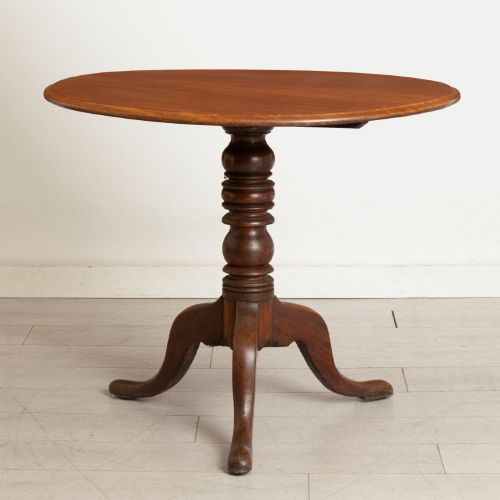
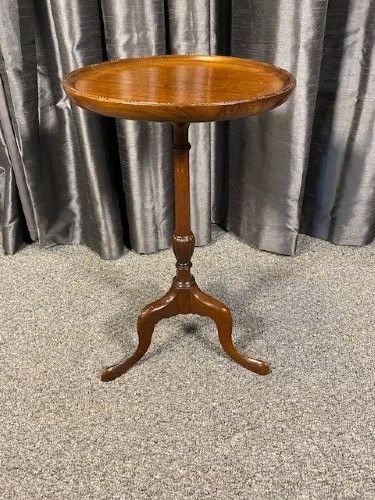
A turned leg circular table brings together centuries of domestic utility, spanning the Georgian, Victorian, and Edwardian eras. Buyers searching this phrase look for round surfaces supported by distinct turned uprights, ranging from modest tripod wine tables to larger centre and lamp tables.
The pieces appearing on this page encompass various forms such as occasional, side, wine, and tilt-top tables. Materials scale from traditional mahogany and oak to burr walnut, ebonised wood, and occasional brass accents.
Origins stretch across British workshops as well as continental makers, including 19th-century Italian and Dutch examples. Whether you want a compact coffee table or a decorative gypsy table, the selection relies heavily on 18th- and 19th-century forms.
How they were made
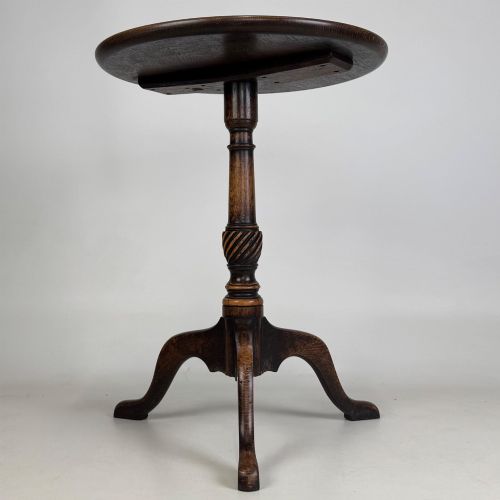
Makers utilised solid timbers such as mahogany, oak, walnut, and elm for stability and grain figure. Turned legs were shaped on a lathe, creating repeating rings, vase profiles, or plain spindles to support the circular top.
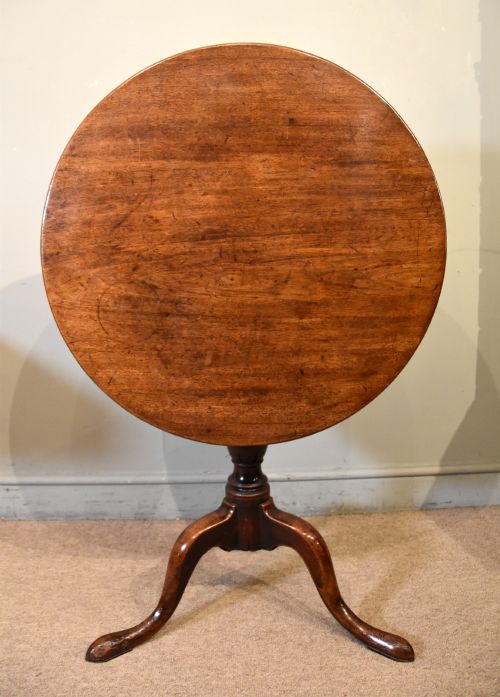
Many 18th-century examples incorporate birdcage mechanisms or tilt-top actions, allowing the top to pivot and fold flat when not in use. Tripod bases rely on three shaped legs joined neatly to a central turned pedestal.
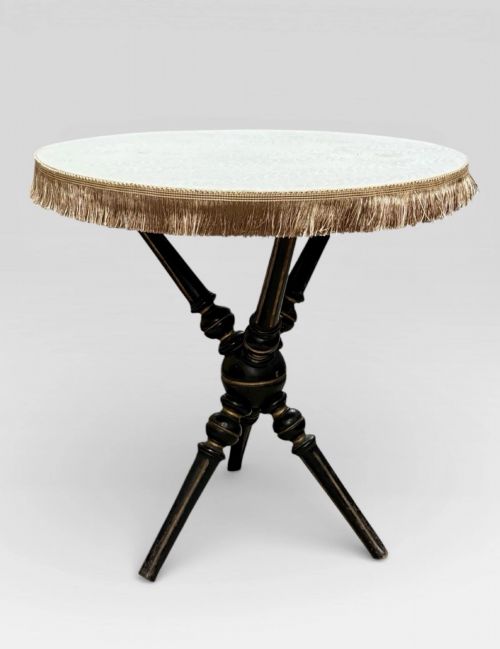
Surface finishes range from clear polish on golden mahogany to ebonised wood and hand-painted details seen on later Victorian gypsy tables. Brass fittings and hinges appear on folding or tilting variants to ensure smooth daily operation.
Listings feature 18th-century, Georgian, and Victorian periods alongside materials such as mahogany, oak, burr walnut, and ebonised wood.
What varies in quality
The distinction between ordinary and superior pieces rests on timber selection and timber matching. Fine examples display carefully chosen mahogany or burr walnut with rich grain movement, whereas simpler pieces use plain pine or standard oak.
Construction details reveal the maker's hand, from crisp lathe work on the turned legs to precise joinery in the birdcage mechanism. Tables with crisp profiling and well-balanced proportions command greater attention from collectors than heavy, unrefined alternatives.
The Turned Leg Circular Table Glossary
- Tripod table
- A small round table supported by a central pillar resting on three legs. These versatile pieces became popular in the 18th century for serving wine or holding candles.
- Tilt-top
- A table mechanism allowing the circular top to pivot vertically against the pedestal. This clever design saved floor space in smaller domestic rooms.
- Birdcage
- A wooden framework beneath the table top that permits both rotation and tilting actions. It represents a marker of careful 18th-century cabinet making.
- Gypsy table
- A lightweight occasional table often draped in fabric during the late 19th century. They feature slender turned legs and circular tops made of mahogany or ebonised wood.
- Dish top
- A table top with a raised moulded rim carved directly from the solid timber. This feature prevented glassware from sliding off during use.
Turned Leg Circular Table: Frequently Asked Questions
Where were these tables used in the home?
These round tables served flexible roles in drawing rooms, parlours, and dining spaces. Smaller tripod and wine variants were easily moved beside chairs to hold cups, glasses, or reading material.
Larger centre and console formats anchored rooms, displaying decorative items, lamps, or cards. Their circular shapes allowed people to gather around them comfortably in compact spaces.
How do I date a turned leg table?
Dating relies on observing timber species, turning profiles, and construction methods. 18th-century examples often feature dense mahogany or oak with hand-turned tripod bases and peg joinery.
Victorian and later pieces introduce ebonised finishes, softwoods like pine, and varied leg profiles influenced by the Aesthetic Movement. Hardware components such as brass latches also offer clues to the period of manufacture.
What is a tilt-top mechanism used for?
The tilt-top mechanism allowed the circular surface to lock flat for use or swing vertically upright when not needed. This practical feature meant tables could be stored against walls to clear floor space.
Master cabinet makers designed these pivots to operate smoothly using wooden catches and brass hinges. Surviving tilt actions that still lock securely indicate careful historic maintenance.