





Turn Teplitz Art
Turn teplitz art brings together organic forms and fluid glazes from the late nineteenth and early twentieth centuries.
Turn Teplitz Art
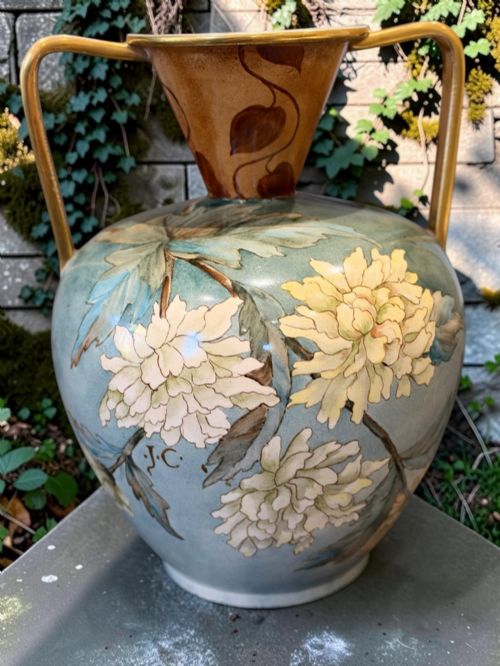
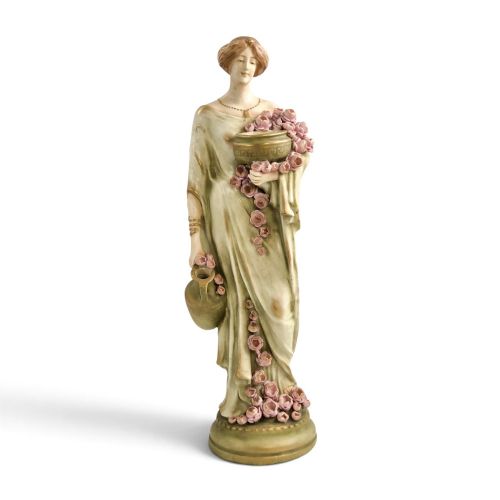
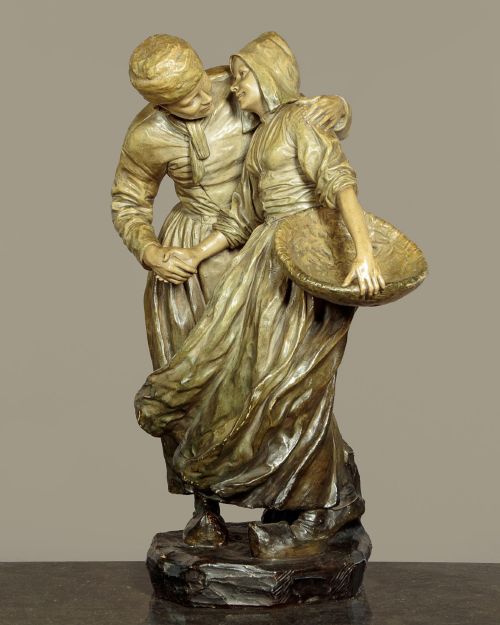
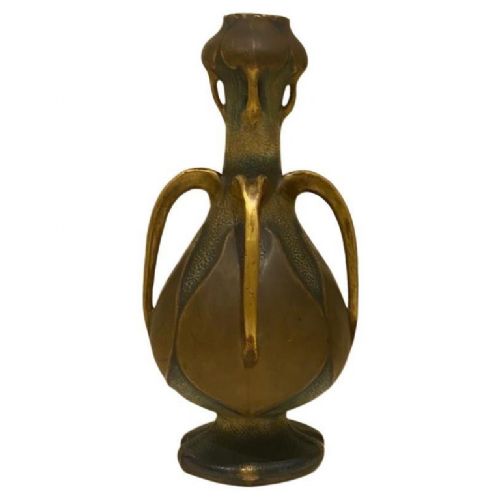
These pieces encompass turn teplitz art created during periods such as the nineteenth century, the Edwardian era, and the decades around nineteen hundred. The inventory here spans vases, decorative figurines, jardinieres, jugs, and sculptural vessels.
Makers and designers working in this sphere produced everything from large monumental pottery vessels to delicate porcelain figures and iridescent glass items. Collectors encounter these works across diverse categories, including earthenware, terracotta, and ceramic busts.
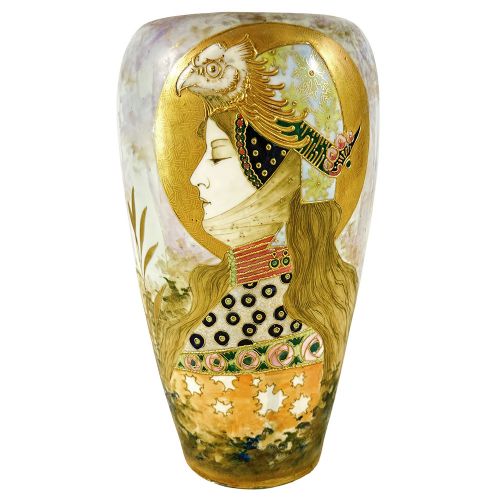
Art Nouveau dominates the stylistic vocabulary of these objects, uniting botanical motifs with sinuous lines. Many examples originate from Austrian workshops and factories operating at the height of the decorative arts movement.
Materials and methods
Workshops utilised porcelain, earthenware, terracotta, and ceramic as foundational bodies for moulded figures and vessels. Artisans applied hand painting, gilding, enamel, and specialised glazes to enrich the surfaces.
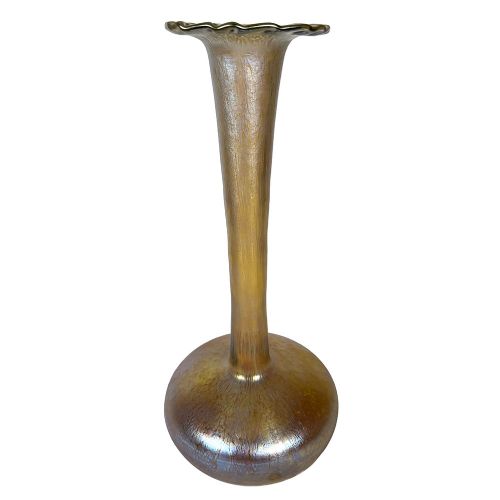
Glass production relied on iridescent finishes and organic treatments, sometimes paired with pewter or silver mounts. Potters and modellers shaped these materials to capture the flowing contours typical of the period.
Turn Teplitz Art Retail Price Guide 2026
Typical asking prices for turn teplitz art among the pieces listed under this phrase on Sellingantiques today, from the lower quarter to the upper quarter. They describe what is for sale here now, not the wider market.
Materials documented across the inventory include porcelain, earthenware, terracotta, enamel, gilt, and iridescent glass.
Distinctions in quality and execution
The sophistication of hand painting and the precision of the gilding and enamel work separate standard items from superior examples. Sculptural definition in figures and the complexity of the mould design dictate the standing of a piece.
The depth and uniformity of iridescent glass finishes, alongside the integrity of original metal mounts, influence the overall calibre of the work. Maker attribution and documented model numbers also shape the standing of individual items.
Loetz·Goldscheider·Reissner Stellmacher and Kessel·Royal Dux·Julius Dressler·Ernst Wahliss·Kralik·Paul Dachsel
The Turn Teplitz Art Glossary
- Art Nouveau
- A stylistic movement characterised by organic shapes, sinuous plant motifs, and flowing asymmetrical lines. This aesthetic defines the majority of the pottery, glass, and figures gathered in this field.
- Iridescent glass
- Glass treated with metallic salts to produce a shimmering, rainbow-like sheen on the surface. Loetz and Kralik utilised this technique extensively on organic vessel forms.
- Jardiniere
- An ornamental pot or stand designed to hold growing plants or floral arrangements. These ceramic and pottery containers often feature modelled botanical decoration.
- Terracotta
- Fired, unglazed clay possessing a porous reddish-brown body. Sculptors used this material for figures and portrait busts before applying surface finishes.
Turn Teplitz Art: Frequently Asked Questions
What is turn teplitz art?
Turn teplitz art encompasses ceramics, pottery, glass, and figures produced in the Bohemian region during the late nineteenth and early twentieth centuries. These objects are defined by their organic forms and connection to the Art Nouveau movement.
Artisans and major manufactories in the region shaped earthenware, porcelain, and glass into vases, figures, and architectural vessels decorated with floral and botanical motifs.
How do I identify Art Nouveau pieces?
Art Nouveau pieces feature whiplash lines, asymmetrical compositions, and motifs drawn from nature, such as water lilies, plant tendrils, and female figures with flowing hair. These design elements appear across ceramic bodies, glassware, and metal mounts.
Makers utilised iridescent finishes and hand-painted glazes to enhance these naturalistic contours and create a sense of continuous movement.
How were these decorative vases used?
These vessels functioned primarily as interior decorative art pieces placed on mantelpieces, pedestals, and tables within period homes. Jardinieres held indoor plants, while large ewers and monumental vases served as sculptural focal points.
Smaller items, such as inkwells and spill vases, combined utility with the prevailing artistic tastes of the Edwardian era.
How do I care for antique glass and ceramics?
Antique ceramics and iridescent glass require gentle dusting with a soft, dry cloth to protect delicate enamels, gilding, and metallic surface treatments. Avoid using liquid cleaners or abrasive materials that might damage the original glaze or surface sheen.
Display these pieces away from direct sunlight and extreme temperature fluctuations to preserve the stability of the body and mounts.