


Turn of Century Landscape
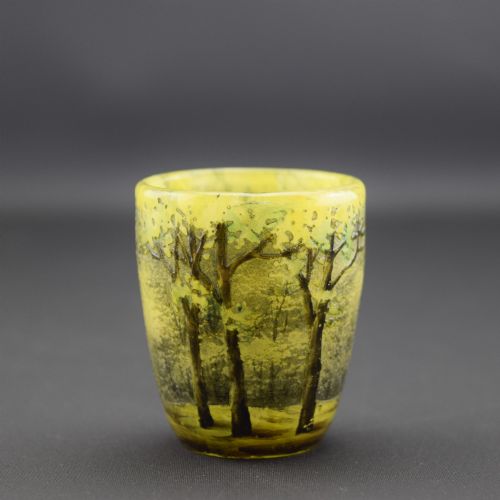
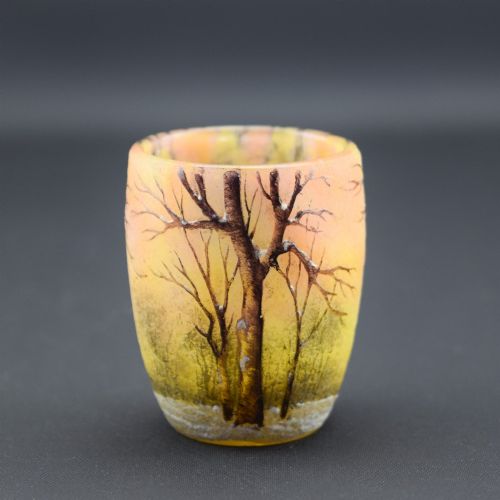
A turn of century landscape captures a fleeting moment of natural or urban light using the distinctive palettes of the Edwardian era.
Turn of Century Landscape
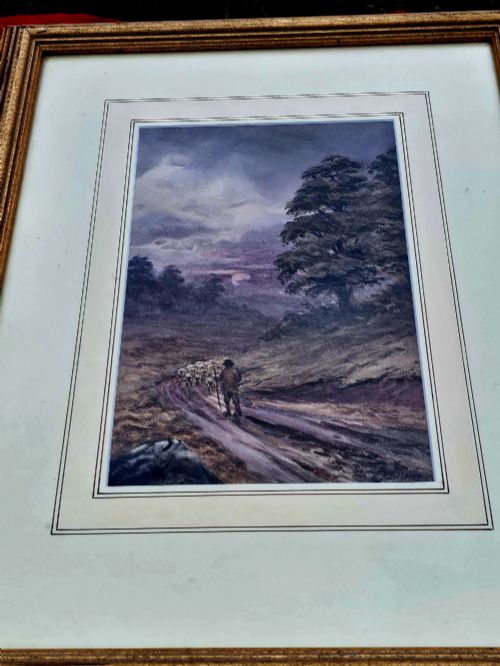
When searching for a turn of century landscape, a buyer encounters original works originating primarily from the nineteen hundreds, alongside occasional examples from the nineteen twenties and nineteen thirties. These pieces capture rural views, maritime scenes, and urban settings through the lens of Edwardian British Fine Art, British Impressionism, and French Barbizon styles.
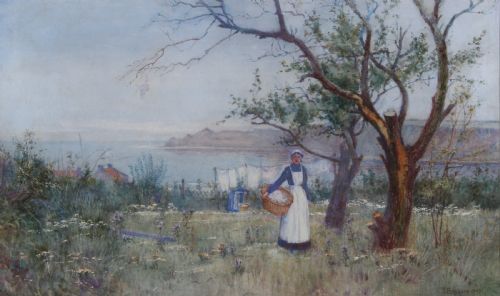
The most common formats on this page are watercolour paintings on paper and oil paintings on canvas, framed in wood and gilt wood. Subjects range from Whitby harbour views and Thames barges to Venetian canals and London street scenes, reflecting the artistic preoccupations of the period.
How these works were made
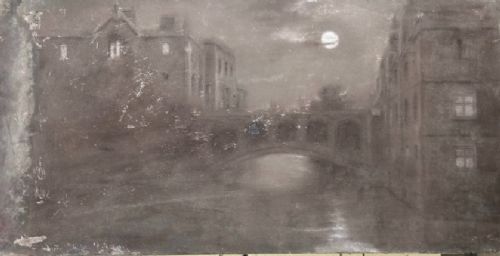
Artists utilised watercolour pigment and oil paints applied to paper, board, and canvas to achieve varied atmospheric effects. Charcoal on paper also appears, often reflecting the tonalist and atmospheric influences associated with Whistler and Grimshaw.
Framing typically involves traditional wood and gilt wood surrounds that complement the painted surface, protecting the paper and canvas supports while maintaining the historic character of the artwork.
Listings feature works created using paper, glass, watercolour pigment, oil on canvas, wood, gilt wood, and charcoal on paper.
What varies in quality
Quality separates through the artist's handling of light, atmosphere, and composition, distinguishing a direct observation from a formulaic studio production. Signed works by documented artists such as Alfred George Morgan or Edward Matthew Elliott demonstrate superior brushwork and compositional confidence.
The condition of the paper or canvas and the preservation of the original pigments determine the visual impact of the piece. Subtle gradations of tone in watercolour and rich impasto in oil paintings indicate the maker's technical capability.
EJ Letheren·Alfred George Morgan·Edward Matthew Elliott·Charles James Lauder·Edward Henry Eugene Fletcher·Jules Evarist van Biesbroeck·Frederick William Booty·Albert de Belleroche·Edwin Bagshaw·Helen Donald-Smith
The Turn of Century Landscape Glossary
- Edwardian
- Pertaining to the reign of King Edward VII, spanning the early years of the twentieth century. This style often embraces lighter palettes and atmospheric realism.
- Tonalism
- An artistic style where artists painted landscapes with an overall dominant hue or shadow. Works in this manner emphasise mood and shadow over sharp delineation.
- Impressionism
- A movement focusing on accurate depiction of light in its changing qualities. British and French practitioners captured everyday scenes with visible brush strokes.
- Barbizon style
- A French school of landscape painting inspired by romantic realism. These works focus on down-to-earth rural views and forest scenes.
- Gilt wood
- Wood that has been treated with gold leaf or a gold-coloured finish. Frames utilising this technique were standard for exhibiting fine art during the period.
Turn of Century Landscape: Frequently Asked Questions
What periods do these landscapes cover?
The available works span primarily from nineteen hundred through to the nineteen twenties and nineteen thirties. Most examples cluster tightly around the turn of the century.
This reflects the Edwardian period and the continuation of nineteenth-century artistic traditions into the early decades of the new century.
Are these paintings original artworks?
The inventory consists entirely of original paintings, drawings, and works on paper rather than later reproductions. Artists created each piece by hand using oil, watercolour, charcoal, or pastel.
Signatures appear on several examples, while others remain attributed through style and period characteristics.
How should I display a watercolour?
Watercolour paintings require protection from direct sunlight to prevent the fading of delicate pigments on paper. Framing behind conservation glass ensures stability.
Keeping them in rooms with stable humidity levels prevents warping of the paper support and damage to the wooden frame.
What subjects are most common?
Maritime scenes, coastal harbours, and river views dominate the selection, featuring locations such as Whitby, St Ives, and the River Thames. Urban street scenes and rural pastoral landscapes also feature prominently.
These subjects align with the plein-air and tonalist interests of artists working around nineteen hundred.