








Barbizon Oil Landscape Painting
A barbizon oil landscape painting brings the quiet French countryside indoors, offering muted tones and naturalistic rural scenes that collectors treasure.
Barbizon Oil Landscape Painting
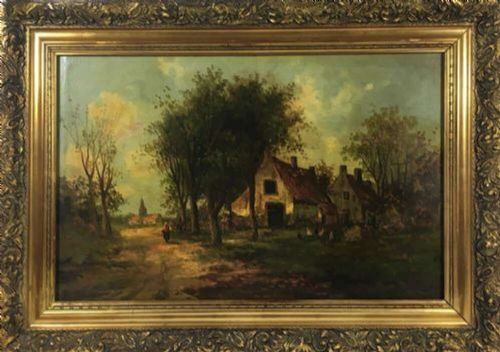
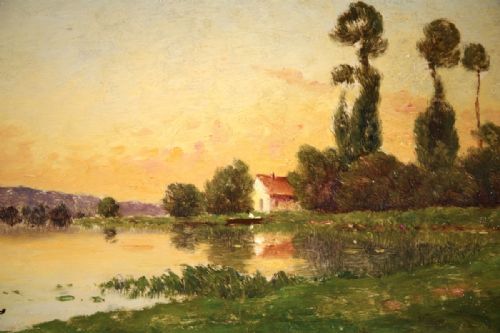
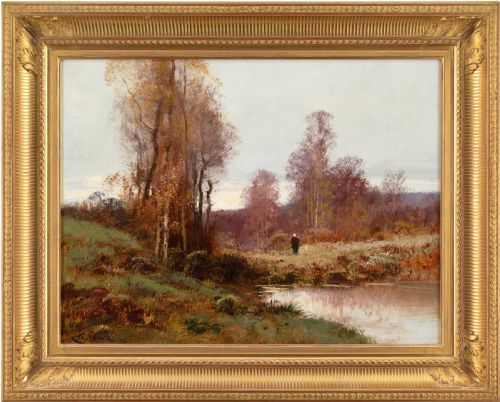
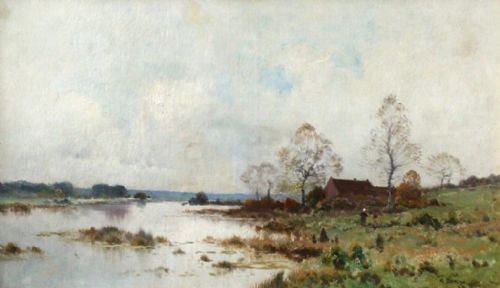
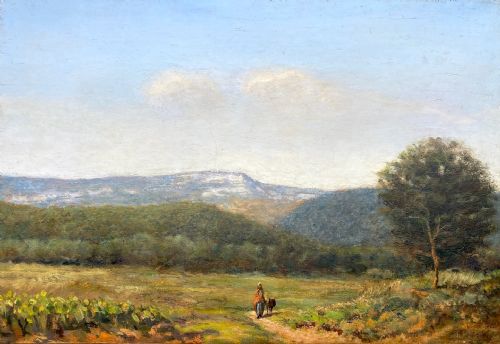
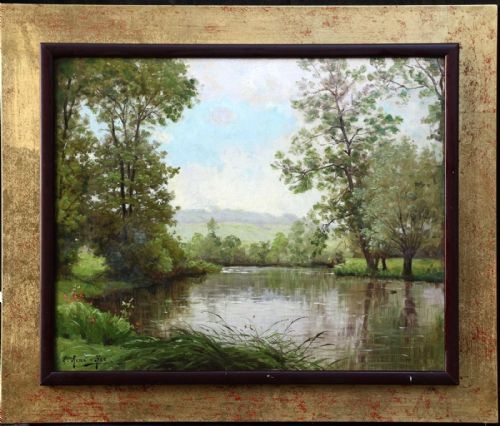
When you examine a barbizon oil landscape painting, you look at rural scenes, river banks, and pastoral views rooted in nineteenth-century French naturalism. These works capture forests, farmyards, and figures along paths without the grand heroism of academic history painting.
The versions you meet most frequently on this page date from the nineteenth century, often reflecting the influence of the Fontainebleau forest painters. They span from intimate nature studies to broader pastoral canvases depicting cattle, rivers, and cottages.
French school artists and British followers alike adopted this approach, producing oil paintings on canvas and board that prioritize atmosphere and subdued colour over sharp detail.
What varies in quality
The strength of a barbizon oil landscape painting depends upon the handling of light and atmosphere, where confident brushwork brings a quiet woodland or river bank to life. Weaker examples rely on formulaic repetition without the subtle observation of nature that defines the best French school output.
Provenance and attribution also elevate certain pieces, particularly those bearing documented signatures or direct links to the Fontainebleau circle, distinguishing studio studies from later followers.
Several paintings include small wandering cattle and tiny hidden figures sharing quiet river banks with the artists.
Paul Désiré Trouillebert·Charles Clair·Henri Jaques Delpy·Alphonse Robert·Pierre Emmanuel Eugene Damoye·Charles Edmond Rene His·Henri Joseph Harpignies·Jules-Louis Dusaussay
The Barbizon Oil Landscape Painting Glossary
- Barbizon School
- A nineteenth-century French art movement focused on realistic landscape painting, realism, and direct observation of nature. Painters associated with this group worked near the village of Fontainebleau.
- Plein air
- Painting outdoors to capture direct natural light and atmospheric conditions. This technique became central to the development of landscape realism.
- Giltwood
- Wood carved and covered with a thin layer of gold leaf, commonly used for nineteenth-century picture frames. It enhances the visual weight of oil paintings.
- Pastoral
- Artistic work depicting rural life and landscapes in a romanticised or peaceful manner. These scenes often feature figures, cattle, or farmyards.
Barbizon Oil Landscape Painting: Frequently Asked Questions
What is a barbizon oil landscape painting?
A barbizon oil landscape painting is a nineteenth-century artwork depicting rural French scenery, forests, and rivers with a focus on naturalism.
These pieces emerged from artists working around Fontainebleau who preferred realistic outdoor observations over classical studio compositions.
How were these landscape paintings displayed?
Period works were typically housed in wooden frames, often featuring giltwood or gilded designs to complement the canvas.
These frames provided a formal boundary that enhanced the earthy tones of the oil paint within.
Where were these rural scenes painted?
Many works originated outdoors in plein air settings, particularly within the forest of Fontainebleau and the surrounding French countryside.
Artists observed local farmyards, river banks, and pastures directly from nature before completing the canvases.
How do I identify nineteenth century examples?
Look for material evidence such as traditional canvas supports, wood panels, and period signatures associated with French and British school artists.
Stylistic markers like muted pastoral palettes and naturalistic brushwork also point to the nineteenth century.