


Turn of Century Jewellery
Turn of century jewellery brings together delicate Edwardian and Victorian craftsmanship, offering distinct period charm for any collector.
Turn of Century Jewellery
The selection here extends beyond standard decorative ornaments to include miniature chests and unique carved items, reflecting diverse domestic and personal accessories from the era. These artefacts capture a specific intersection of late nineteenth and early twentieth century ornamental production.
How they were made
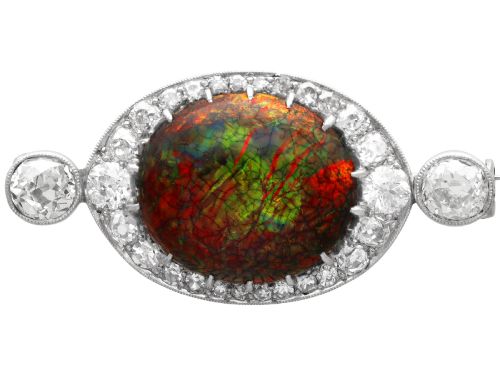
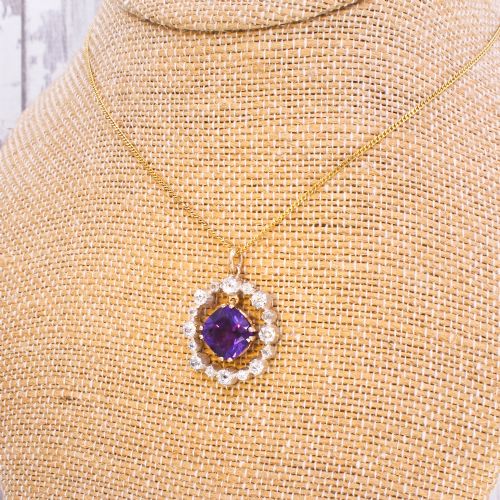
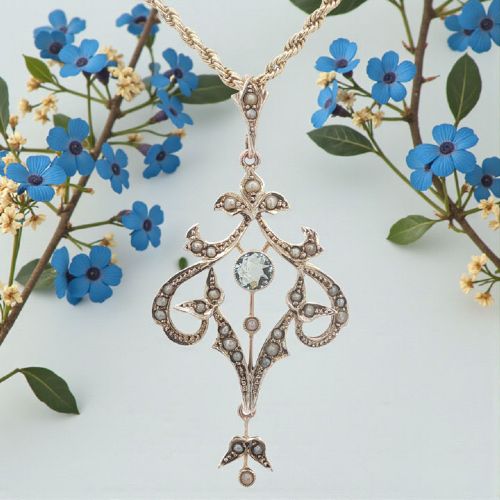
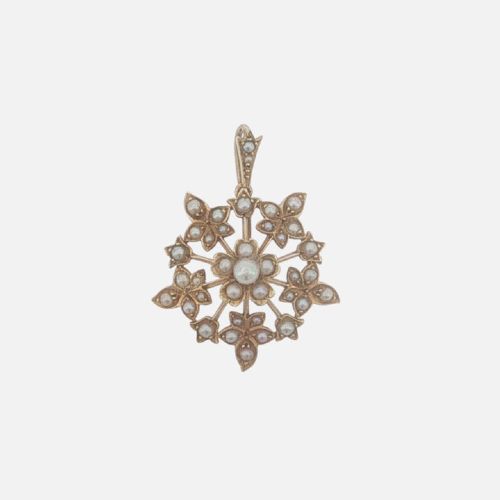
Goldsmiths utilised varying purities of yellow gold, rose gold, and silver to set precious and semi-precious stones such as diamonds, aquamarines, and amethysts. Seed pearls and natural pearls were frequently incorporated into intricate pendant and brooch designs using traditional wirework and bezel settings.
Artisans also employed hand-carving techniques on materials like boxwood and Welsh oak for specialised decorative items. Enamelling and fine metal twisting further defined the ornamental repertoire visible across these diverse physical forms.
The listings here feature gold, silver, diamond, aquamarine, amethyst, and seed pearl materials across multiple nineteenth and twentieth century periods.
What varies in quality
Quality diverges significantly based on the precision of gemstone cutting, particularly when old cut diamonds and substantial amethysts are involved. The fineness of the gold or silver mountings and the delicacy of the metal wirework dictate the overall refinement of each item.
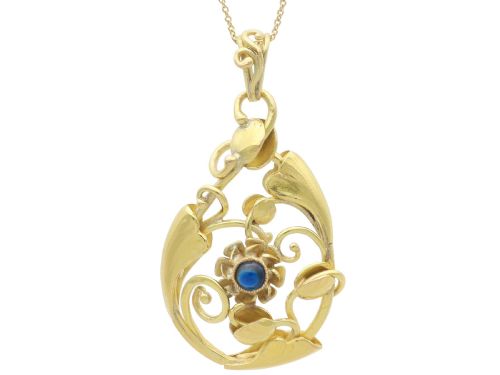
The complexity of the design, such as figural Art Nouveau motifs or detailed seed pearl arrangements, separates standard production pieces from finer examples. Preservation of original enamelling and the crispness of carved wooden details also mark the higher tiers of the range.
The Turn of Century Jewellery Glossary
- Edwardian
- A stylistic period spanning the early twentieth century, known for delicate platinum and gold work alongside light gemstone settings. It succeeds the Victorian era and precedes Art Deco.
- Art Nouveau
- An artistic movement characterised by organic, flowing lines and natural motifs, frequently featuring reclining figures and stylized floral patterns in jewellery. This style flourished around the turn of the twentieth century.
- Old Cut
- A historic diamond cutting style featuring a smaller table, higher crown, and open culet, designed to sparkle under candlelight. These stones display characteristic soft light refraction rather than modern brilliance.
- Seed Pearl
- Very small, naturally occurring pearls often used in clusters or strung in intricate Edwardian jewellery designs. Their uniform tiny scale requires meticulous hand-drilling and placement.
- Coffor Bach
- A traditional Welsh miniature chest, often constructed from oak as a dowry box or keepsake container. These small chests demonstrate domestic cabinet-making skills of earlier centuries.
Turn of Century Jewellery: Frequently Asked Questions
What defines turn of century jewellery?
Turn of century jewellery primarily spans the late Victorian, Edwardian, and early Art Nouveau periods around nineteen hundred. It is characterised by specific gemstone settings, intricate gold work, and distinct stylistic motifs from this era.
Items from this timeframe range from diamond rings and aquamarine pendants to decorative brooches incorporating seed pearls and enamel.
How do I care for antique gold and gemstone pieces?
Proper care involves storing delicate items separately to prevent scratching, especially softer materials like pearls and amethysts. Cleaning should be done gently with a soft cloth, avoiding harsh chemical dips that can damage antique mountings or natural pearls.
Regular inspection by a professional jeweller helps ensure that old cut diamonds and other set stones remain secure in their original settings.
Are these pieces suitable for daily wear?
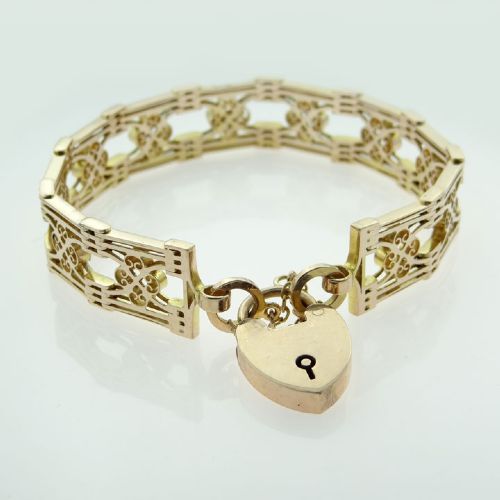
Many sturdy rings and bracelets from this era can be worn regularly with appropriate care and mindful handling. However, delicate pendant brooches and pieces featuring seed pearls or fine enamel require more careful attention to avoid accidental damage.
Assessing the thickness of the band or the security of the clasp will guide whether an item suits everyday use or special occasions.
How can I tell Victorian from Edwardian styles?
Victorian pieces often display heavier gold work, darker gemstone choices, and sentimental motifs reflecting the long reign of Queen Victoria. In contrast, Edwardian items lean toward lighter visual weights, frequent use of seed pearls, and graceful floral or geometric designs.
Transition pieces around nineteen hundred often blend elements of both aesthetic traditions as tastes shifted toward the new century.