

Turn Legged Walnut Chairs
Turn legged walnut chairs bring together rich timber and sturdy turned supports, offering a practical seating choice for period interiors.
Turn Legged Walnut Chairs
Turn legged walnut chairs span several centuries of cabinetmaking, appearing in dining sets, library seating, and reception rooms. Buyers searching this phrase encounter examples stretching from the early 18th century through the Victorian and Edwardian eras.
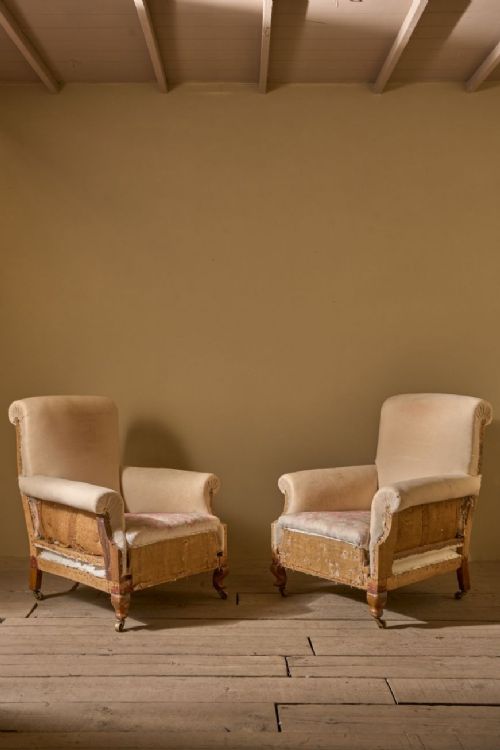
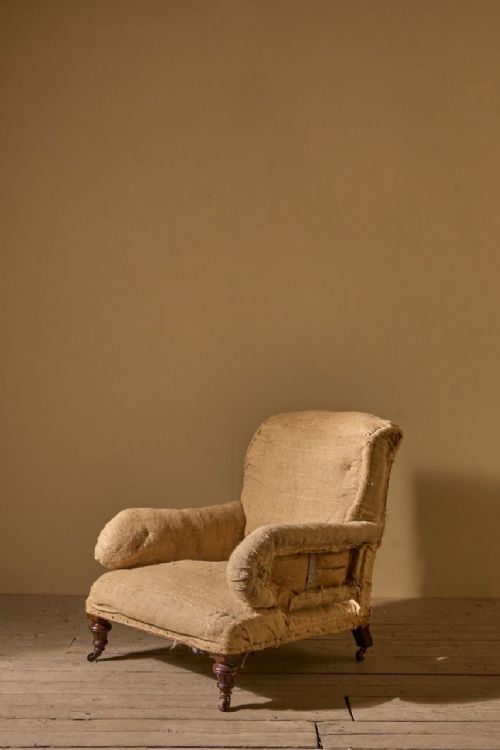
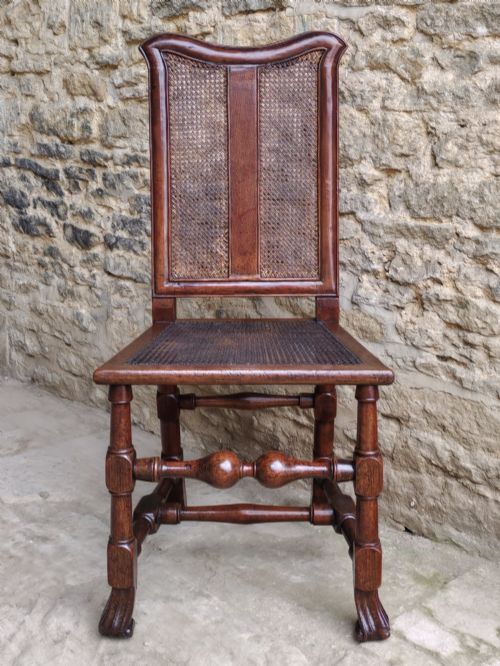
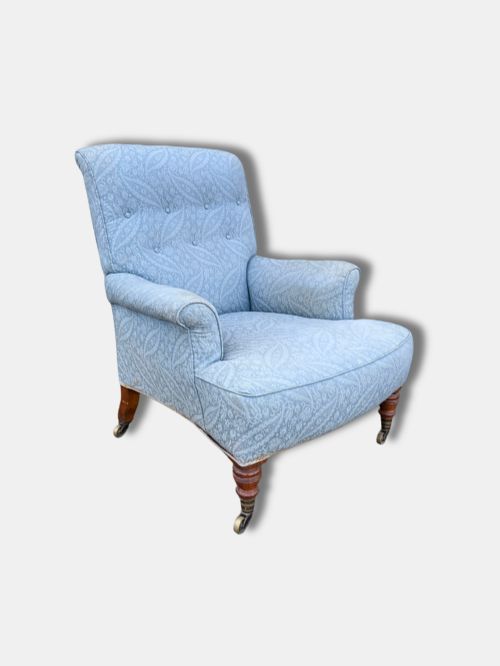
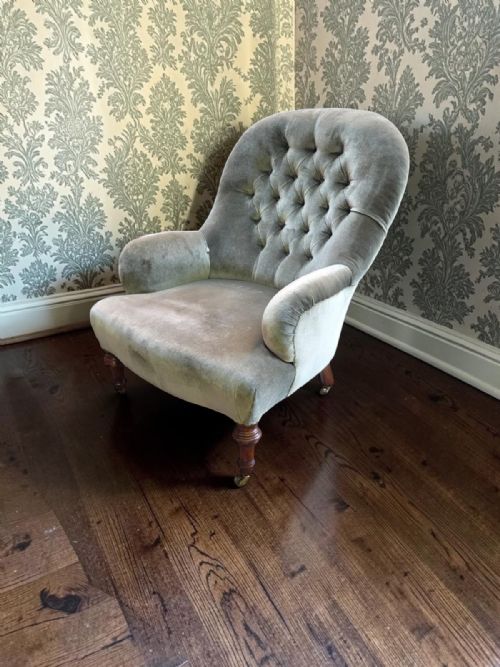
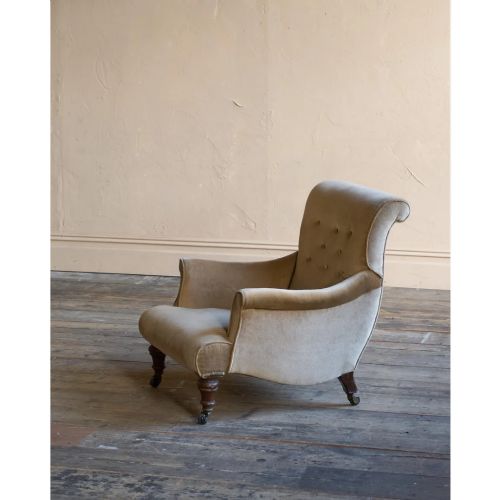
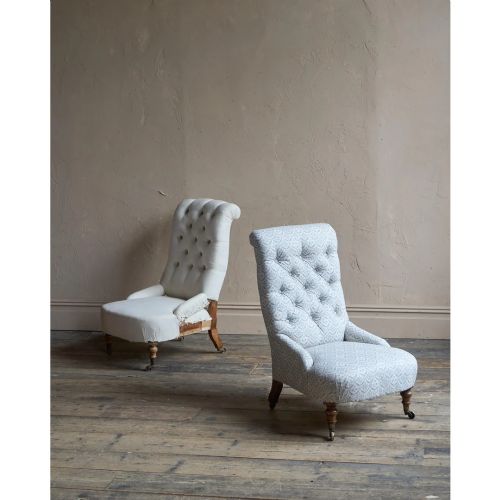
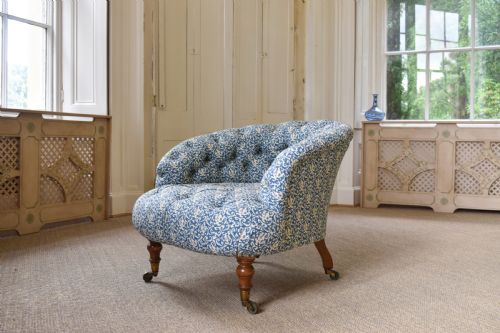
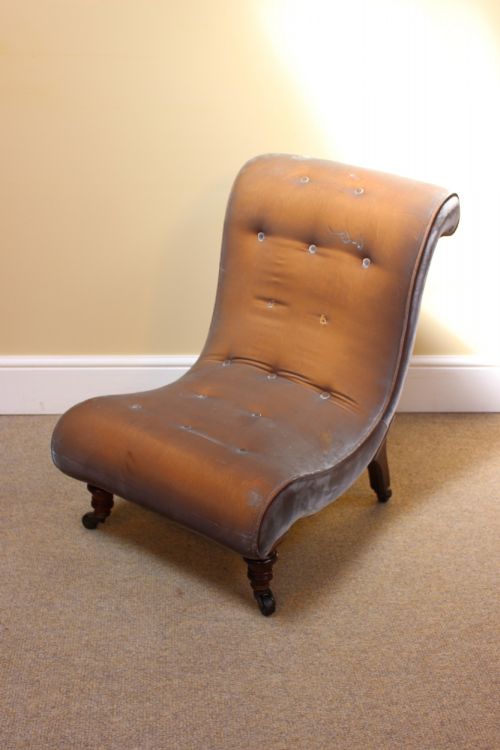
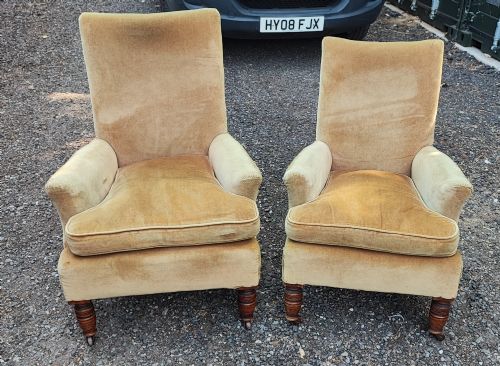
The selection on this page includes side chairs, armchairs, and dining sets executed in walnut, with regional variations reaching as far as Scotland. Formats range from high-backed William and Mary style fauteuils to low nursing chairs and deep-seated upholstered armchairs.
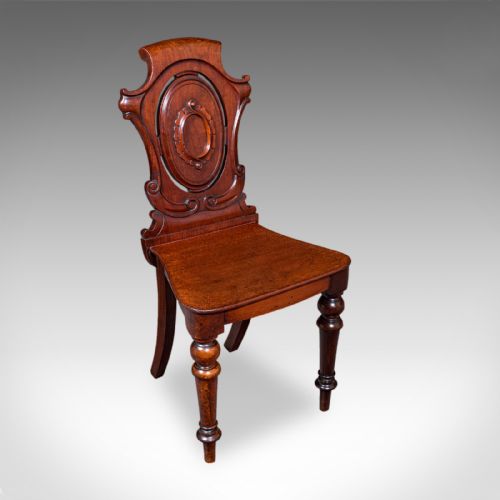
Earlier 18th century forms sit alongside 19th century revivals, showing how makers reinterpreted Carolean and Louis XV aesthetics for later homes. Buyers will find individual hall chairs as well as matched sets intended for formal dining spaces.
Materials and Construction
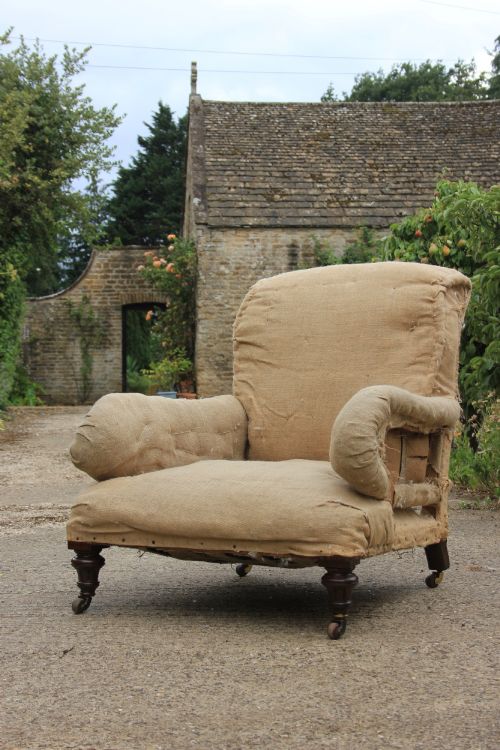
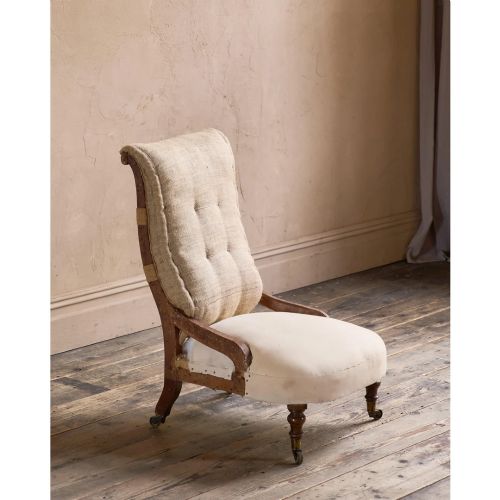
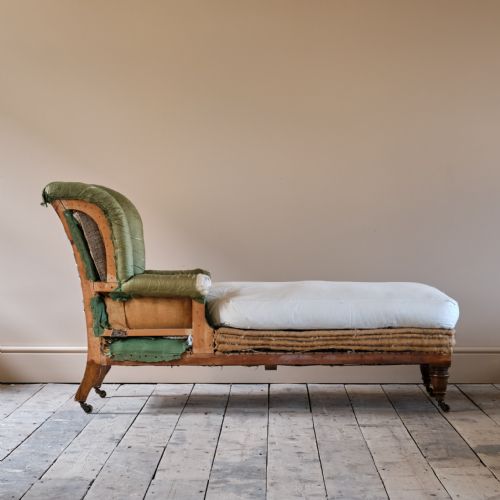
Makers utilised solid walnut for frames, taking advantage of the timber's grain and deep colour for turned legs and structural members. Upholstered versions incorporate traditional stuffing covered in materials such as leather, linen, velvet, calico, hessian, and crewelwork.
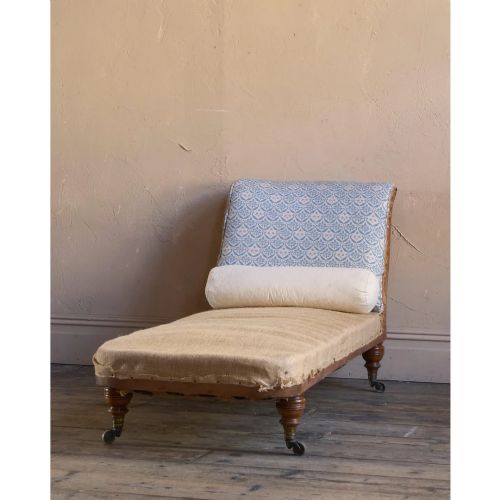
Structural joints rely on traditional carpentry techniques, paired with turned woodwork that shapes the legs and stretchers. Brass castors and studs sometimes appear on 19th century and Edwardian upholstered models to aid movement and finish the upholstery edges.
Listings feature walnut chairs spanning the 18th, 19th, and early 20th centuries, including Victorian, Edwardian, and Regency eras.
Assessing Quality
Quality rests upon the crispness of the turned woodwork and the structural integrity of the walnut frame. Chairs that retain their original timber surfaces and authentic upholstery materials display a higher degree of historical integrity.
The refinement of carved details and the balance of proportions distinguish standard production seating from masterwork pieces. Matched sets with uniform timber grain and consistent wear across all chairs command greater appreciation among collectors.
Howard and Sons·Gillows·SF Cullen
The Turn Legged Walnut Chairs Glossary
- Carolean
- A style dating to the late 17th century, characterised by rich carving and turned walnut supports. It heavily influenced later revival seating.
- Fauteuil
- An open-armed French upholstered armchair with exposed wood framing. These pieces often feature carved walnut arms and legs.
- Shield Back
- A chair back design shaped like a heraldic shield, popular in late 18th century dining and hall seating. This form appears in walnut reception and side chairs.
- William and Mary
- A late 17th to early 18th century style known for trumpet turnings, tall backs, and structured walnut frames. Revival versions were produced in the late 19th century.
- Crewelwork
- Embroidery executed with wool yarn on a plain-weave foundation fabric. It frequently decorates the upholstery of Victorian armchairs.
Turn Legged Walnut Chairs: Frequently Asked Questions
Are these chairs suitable for daily use?
Many walnut chairs remain structurally sound for everyday seating, particularly sturdy dining sets and library armchairs. Upholstered versions often benefit from modern conservation of internal webbing and stuffing.
Care should be taken with antique frames to avoid overloading delicate carved sections or exposed walnut arms.
What is the difference between side chairs and armchairs?
Side chairs are built without arms, designed primarily for dining tables or occasional placement against a wall. Armchairs feature supportive sides and wider seats intended for prolonged reading or relaxation.
Both forms utilise turn legged walnut construction across various historical periods.
How do I care for antique walnut furniture?
Walnut surfaces require protection from direct sunlight and sudden humidity changes to prevent timber drying and splitting. Regular dusting with a soft, dry cloth preserves the polished finish.
Avoid using silicone-based polishes that can penetrate open grain and alter the timber's natural appearance.