



Turkmenistan Hand Knotted Rug
These pieces of a turkmenistan hand knotted rug are authentic tribal textiles carrying centuries of nomadic artistry.
Turkmenistan Hand Knotted Rug
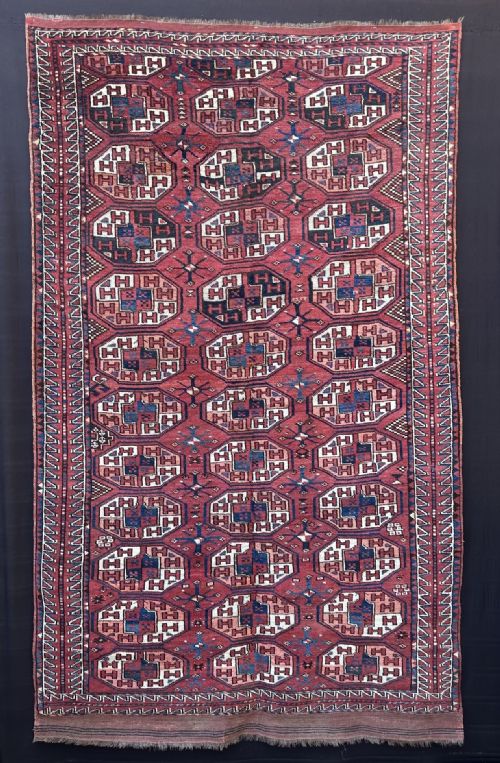
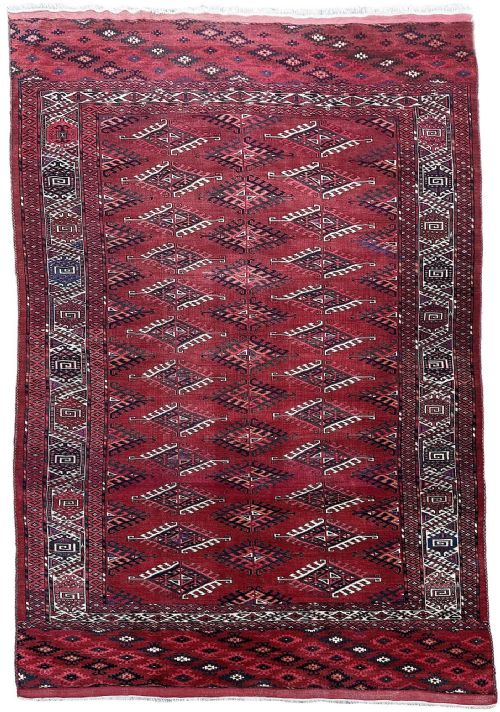
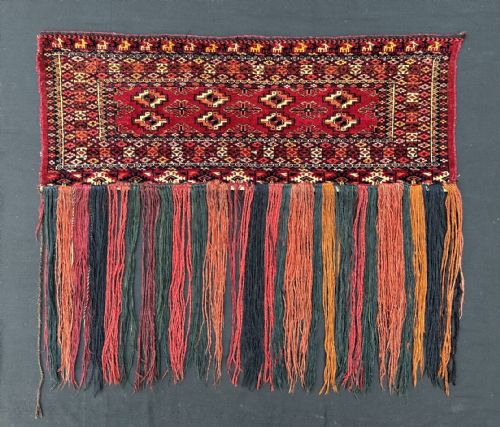
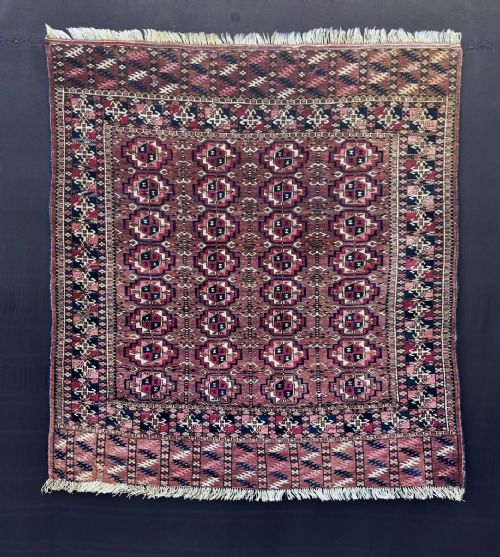
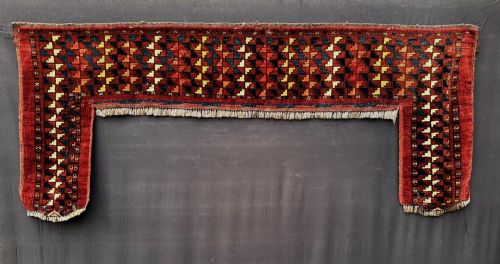
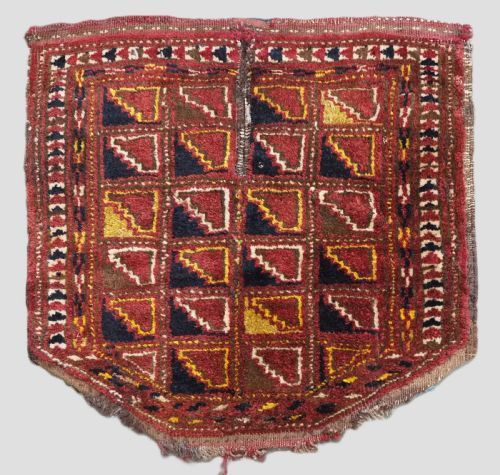
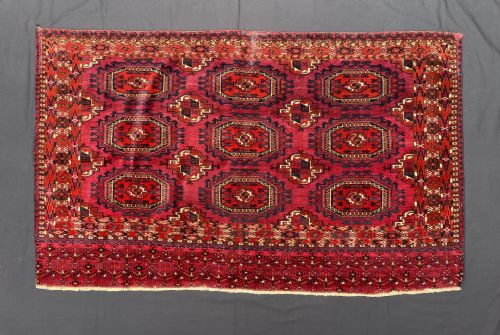
A turkmenistan hand knotted rug encompasses tribal carpets, wedding rugs, prayer rugs, and functional bag faces created by nomadic and settled groups across Central Asia. These textiles originate from specific tribes including the Teke, Yomut, Ersari, Karadashli, and Kizyl Ayak, each bringing distinct regional patterns to the weaving tradition. The forms range from large main carpets and tent door hangings to smaller torbas, chuvals, and saddle covers.
Most examples encountered here date from the mid-nineteenth century up to around nineteen hundred, representing a distinct period of traditional nomadic production. Buyers find specific weaving structures such as engsi door rugs and kaplyks designed for tribal dwellings and ceremonial use. The physical geography of the Trans-Caspian steppes and the Merv oasis shapes the layout and motifs of these historic floor and wall coverings.
Materials and construction
Makers construct a turkmenistan hand knotted rug predominantly using hand-spun wool for the pile, foundation yarns, and structural elements. Artisans also incorporate cotton for contrast and structural firmness within specific tribal pieces.
The workshops and nomadic weavers rely entirely on natural dyes to colour the wool, producing deep madder reds and rich secondary tones that mature with age. The hand-knotting technique secures the pile tightly to the wool or cotton warp and weft foundation, creating a dense textile designed for heavy daily use.
Some Yomut bag faces originated as spindle holders, storing the tools women used to spin wool while travelling.
Assessing quality
Quality in a turkmenistan hand knotted rug rests upon the density of the knotting and the precision of the tribal gul motifs executed across the field. Superior examples display remarkable clarity in geometric design and a harmonious saturation of natural dye colours.
The condition of the wool pile and the intact nature of the original selvedges and ends influence the overall integrity of the textile. Pieces retaining their full structural borders and unblemished field patterns demonstrate superior preservation from their nineteenth-century origins.
The Turkmenistan Hand Knotted Rug Glossary
- Gul
- The primary octagonal medallion motif repeated across Turkmen carpets and bag faces. Each tribe utilises a distinct gul variation to signify its specific lineage.
- Chuval
- A large storage bag face produced by nomadic weavers for household organisation inside a yurt. These rectangular textiles feature dense geometric pile work.
- Engsi
- A specialised tribal rug hung over the interior doorway of a yurt. It typically displays a quartered design field separated by a candelabra motif.
- Torba
- A smaller wall-hanging storage bag utilised within Central Asian tents. These items display intricate guls and detailed elem border panels.
Turkmenistan Hand Knotted Rug: Frequently Asked Questions
How were these rugs used in nomadic life?
Nomadic families utilised these textiles for multiple daily purposes inside traditional felt tents, including floor coverings, bedding storage, and doorway insulation. Bags and trappings held household goods and personal belongings during seasonal migrations across the steppes.
Ceremonial pieces played vital roles in tribal weddings and communal gatherings, marking important milestones within the community. Each specific form, from main carpets to small torbas, served a distinct structural or decorative function within the nomadic household.
How do I tell different tribal groups apart?
Tribal attribution relies primarily on the specific primary gul motif, secondary ornaments, and dominant red colour palette employed in the weave. Teke pieces often feature precise octagonal guls, while Yomut examples frequently incorporate diamond-shaped motifs and hooked designs.
Structural details such as the composition of the side cords and the handling of the elem panels at the base provide further clues to tribal origin. Comparing the exact arrangement of geometric borders helps differentiate between Ersari, Kizyl Ayak, and Yomut craftsmanship.
Where should I place a rug like this at home?
These historical textiles suit low-traffic floor areas, hallways, or study spaces where the delicate wool pile receives minimal abrasion. Placing them away from direct sunlight protects the natural madder dyes from fading over time.
Many collectors choose to mount smaller bag faces and torbas on walls as textile art to preserve their structural integrity. Proper padding underneath floor placements prevents sliding and reduces fibre wear on historic foundations.
How do I care for an antique tribal rug?
Gentle suction vacuuming without a rotating power brush removes embedded dust while protecting the hand-spun wool pile and foundation yarns. Professional textile conservators should handle any deep cleaning or structural stabilisation needs.
Keeping the room humidity stable and periodically rotating the textile ensures even environmental exposure. Avoiding excessive moisture prevents deterioration of the wool and cotton materials.