

Turkmen Woven Wall Hanging
When choosing a turkmen woven wall hanging, you are acquiring a piece of tribal textile art from Central Asia that brings deep history and geometric mastery into modern spaces.
Turkmen Woven Wall Hanging
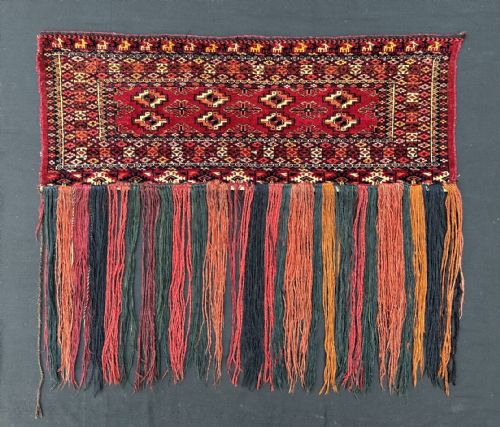
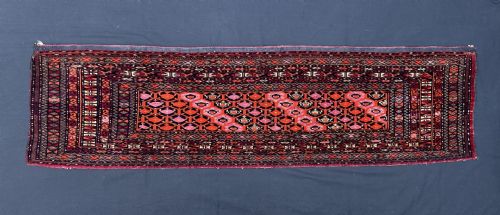
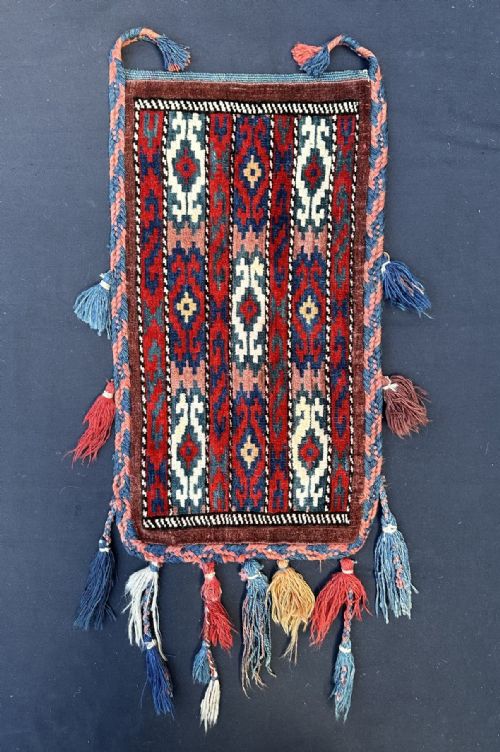
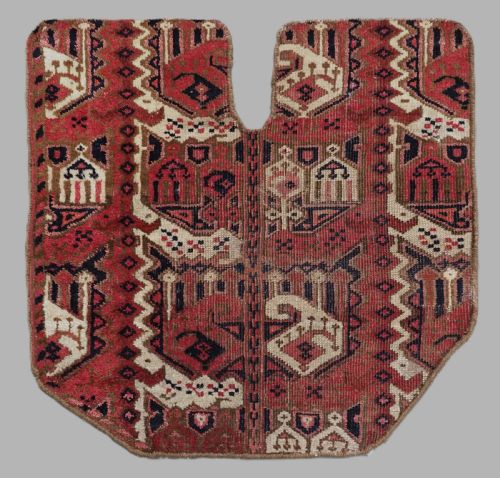
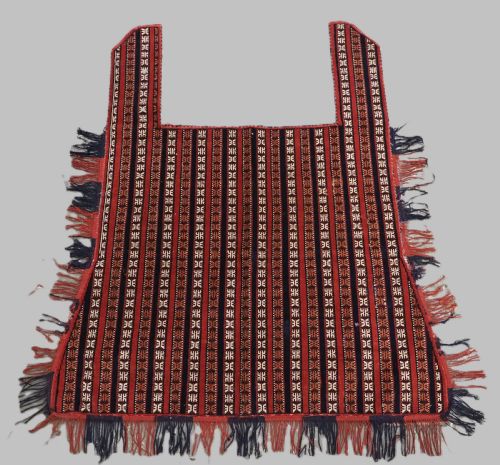
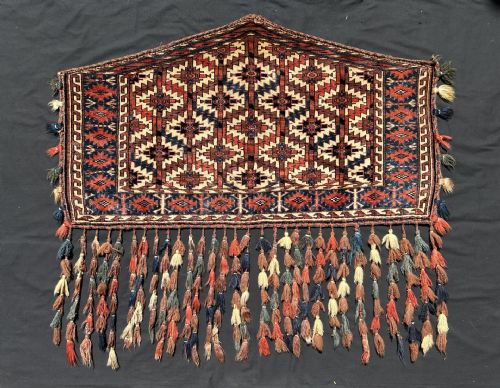
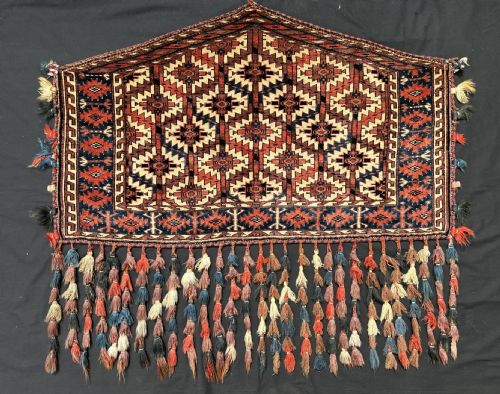
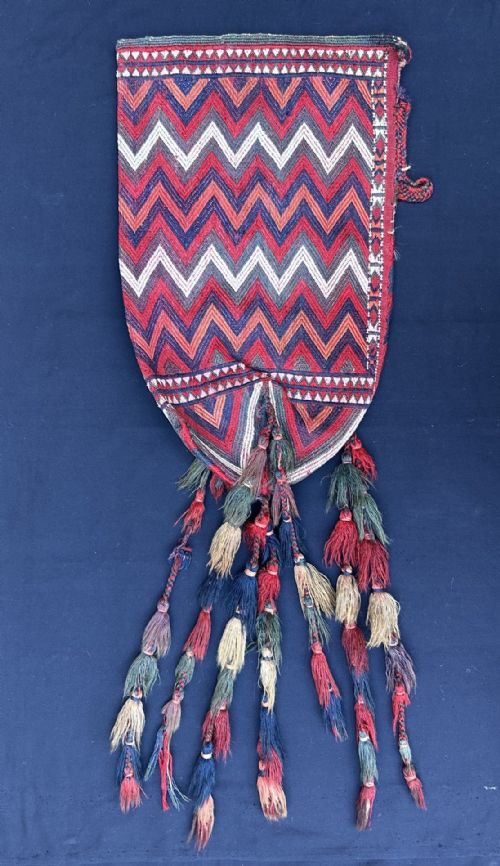
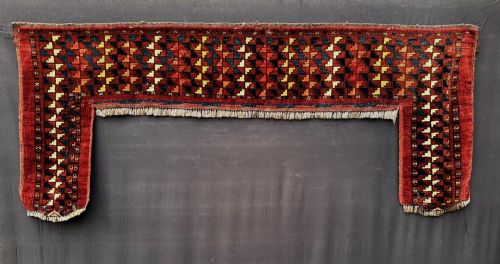
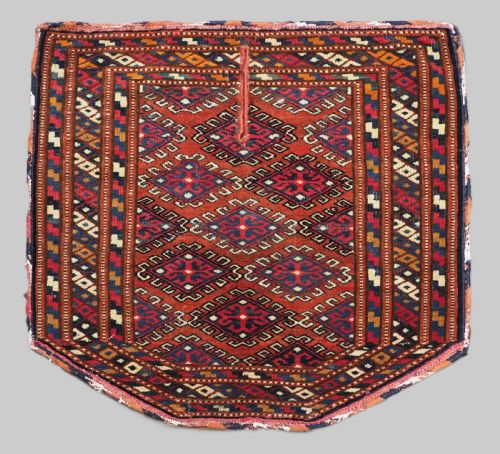
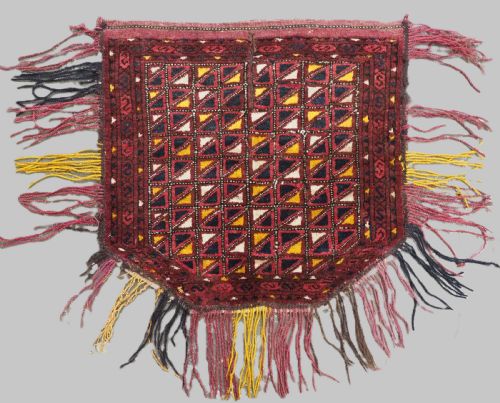
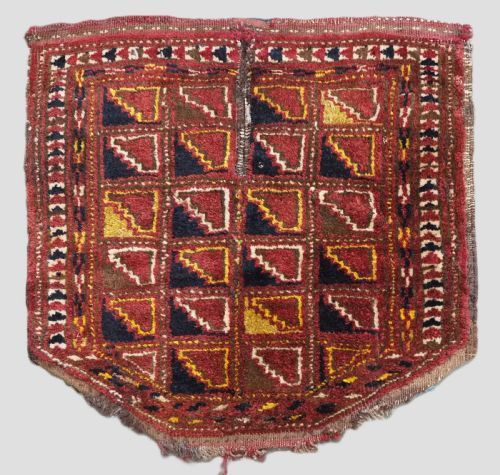
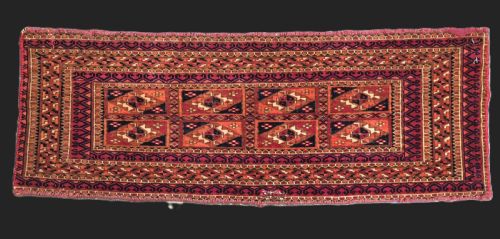
A turkmen woven wall hanging typically originates from tribal and nomadic groups in Central Asia, encompassing items such as torbas, chuvals, asmalyks, and saddle covers made across the nineteenth and early twentieth centuries.
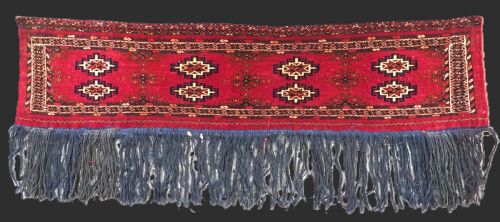
The version most commonly met on this page is a torba face or tent-bag panel bearing traditional tribal guls, produced by weavers from tribes like the Tekke, Yomut, Ersari, and Saryk.
These textiles served functional roles within nomadic dwellings and transport before transitioning into decorative wall hangings valued for their intricate designs and cultural heritage.
How they were made
The makers utilised hand-spun wool and natural dyes to construct dense wool pile fabrics, often incorporating cotton and silk highlights for contrast.
Weavers employed intricate knotting and flatweave techniques on vertical looms, creating durable structures designed for daily nomadic life.
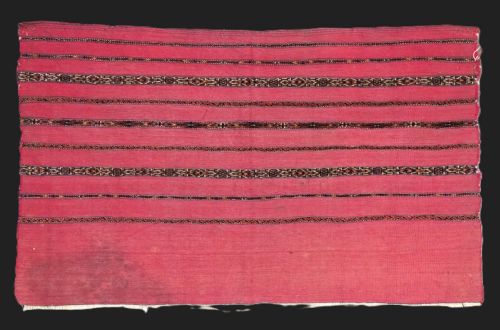
Many examples retain original plain-weave backs, tassels, or borders that demonstrate the complete traditional construction methods of the region.
Several horse covers and camel trappings in the collection spent centuries journeying across steppes before finding their way onto modern walls.
What varies in quality
The fineness of the weave distinguishes standard examples from exceptional pieces, with higher knot densities allowing for sharper geometric precision in the guls and motifs.
The depth and brilliance of the natural dyes create visual richness, where well-preserved madder reds and ivory grounds elevate the presence of the textile.
Structural completeness, such as the retention of original fringes, backs, and side cords, sets superior survivals apart from fragmented or heavily restored examples.
The Turkmen Woven Wall Hanging Glossary
- Gul
- A medallion motif repeated across tribal rugs and torbas. Each design often identifies the specific tribe or clan that wove the textile.
- Torba
- A small storage bag or tent-hanging utilised in nomadic households. These pieces frequently feature elaborate face designs with primary guls.
- Chuval
- A large tent-bag used for storage inside a yurt. They are prized by collectors for their expansive field designs.
- Asmalyk
- A pentagonal or polygon-shaped trapping used during wedding processions on the flanks of a camel. They represent some of the most decorative tribal weaving.
- Mafrash
- A rectangular storage box or bedding bag panel. They often display banded flatweave patterns or structured pile designs.
Turkmen Woven Wall Hanging: Frequently Asked Questions
How do I hang a textile safely?
Displaying these textiles requires weight distribution to prevent distortion of the wool and cotton foundation. Sewing a cotton sleeve to the reverse allows a concealed rod or baton to support the piece evenly.
Direct sunlight should be avoided to protect the natural dyes from fading over time.
Which tribes made these wall hangings?
The primary tribes responsible for these woven pieces include the Tekke, Yomut, Ersari, and Saryk. Each group developed distinct colour palettes and structural motifs.
Recognising these tribal differences helps in identifying the regional origins of individual wall hangings.
What does a gul design mean?
A gul is a recurring medallion motif that served as an emblem for specific tribes and clans in Turkmenistan. Variations in these patterns indicate whether a piece originates from the Tekke, Salor, or Yomut traditions.
These motifs are passed down through generations, maintaining strict tribal iconography.