



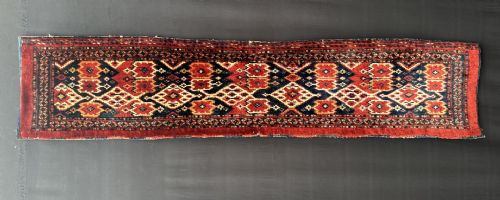
Vintage Turkmenistan Weaving
These vintage turkmenistan weaving pieces are tribal textiles of wool and natural dyes that bring rich Central Asian heritage into a home.
Vintage Turkmenistan Weaving
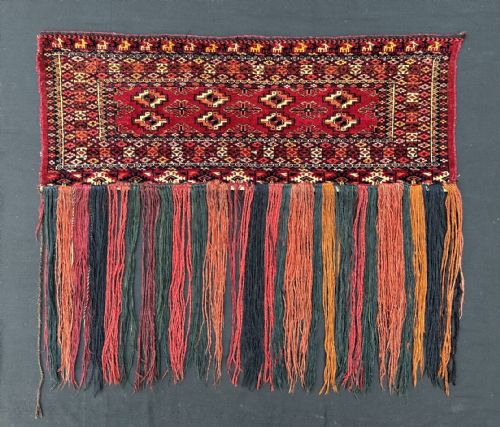
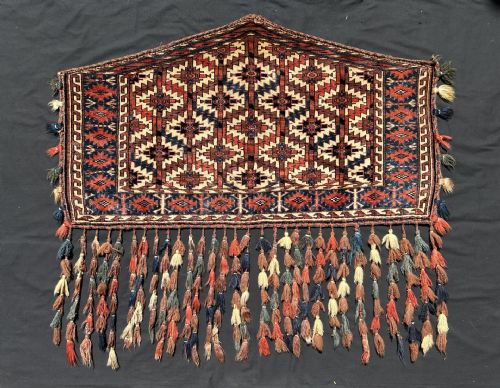
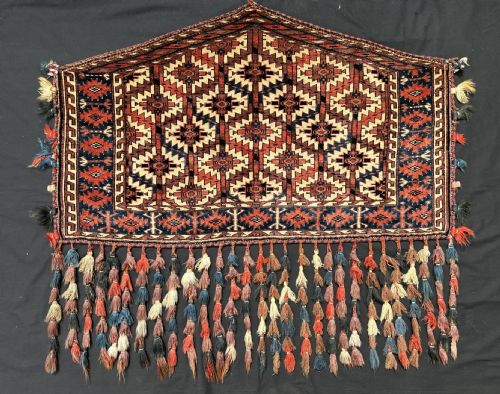
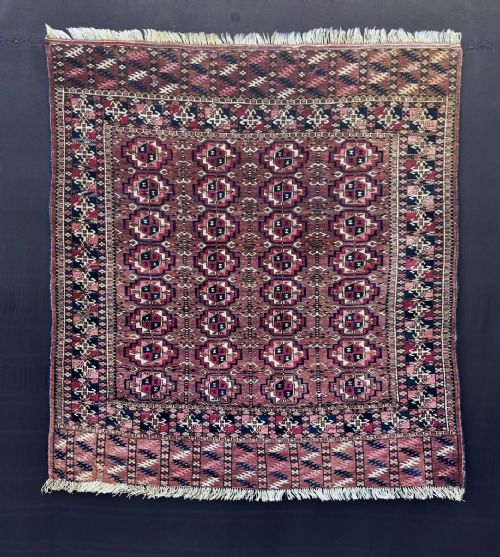
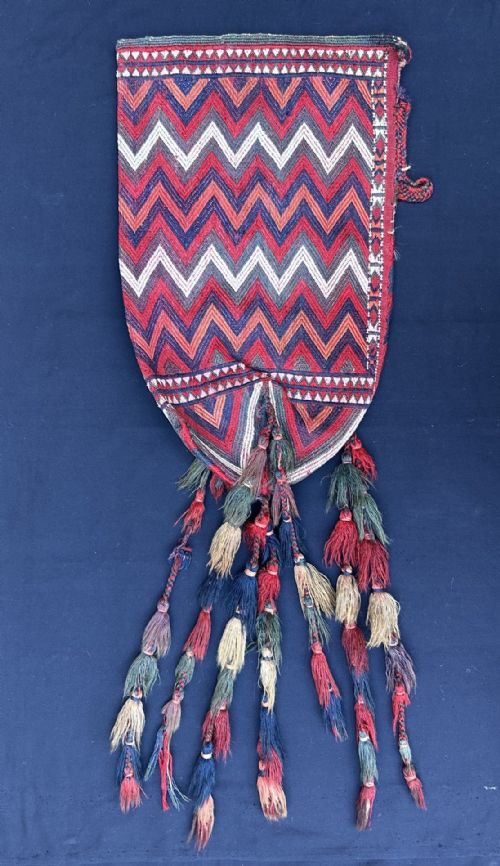
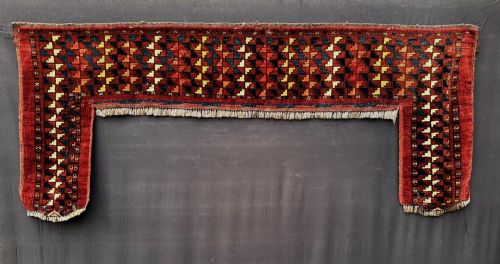
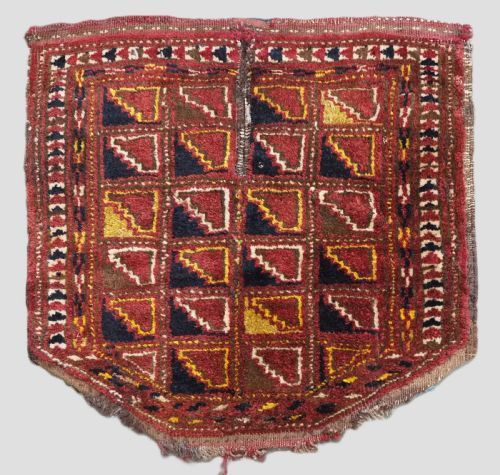
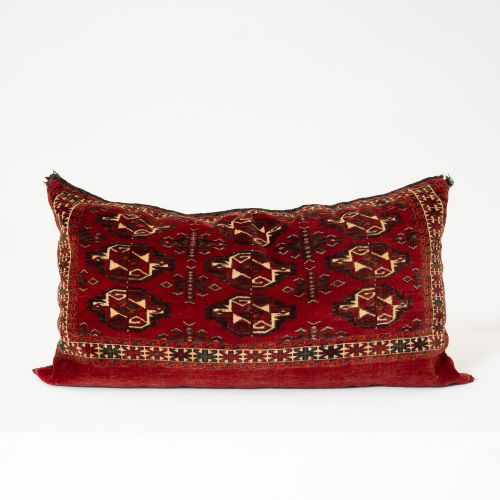
These vintage turkmenistan weaving objects comprise tribal textiles, wall hangings, rugs, cushions, pillows, and rug fragments originating from Central Asia. Buyers encounter items created by tribal groups such as the Teke, Yomut, and Ersary across regions like the Merv Oasis, Trans-Caspian Steppes, and Middle Amu Darya.
The selection includes specific functional forms like kapsewn bags, asmalyks, wedding rugs, uk bash tent bands, gapylyk door covers, saddle covers, chuval cushions, torbas, and wedding camel trappings. Dating spans from the mid-nineteenth century through to the early twentieth century.
Tribal Turkmen and Central Asian tribal styles dominate the selection, showcasing traditional patterns developed by nomadic and semi-nomadic weavers. Each piece reflects specific regional identities and utilitarian purposes within tribal life.
What varies in quality
The fineness of the knotting or weaving structure dictates the precision of the geometric motifs and the overall handle of the textile. Tighter execution in hand-spun wool enhances the longevity and definition of the tribal patterns.
The depth and vibrancy of the natural dyes distinguish superior examples, as does the intactness of original borders and structural edges. Completeness of form, whether an asmalyk or a chuval face, influences the integrity of the piece.
Object forms include asmalyks, wedding rugs, torbas, chuval cushions, uk bash tent bands, and gapylyk door covers.
The Vintage Turkmenistan Weaving Glossary
- Asmalyk
- A large pentagonal trapping produced by Yomut tribes, traditionally hung on the flanks of a wedding camel. These pieces feature elaborate geometric ornament.
- Chuval
- A large storage bag made by Turkmen tribes for use inside a yurt, often featuring rows of guls. Examples include specific variants like the ak chuval.
- Kap
- A small utility bag or bag face used for storage within nomadic tents, frequently woven by Teke and Yomut groups. They display compressed tribal iconography.
- Torba
- A small rectangular wall bag used in Turkmen households for storing household items, characterised by horizontal formats and rich border designs.
- Soumak
- A flatweaving technique where pattern wefts are wrapped over the warp threads before passing back, creating a textured surface distinct from standard kilims.
Vintage Turkmenistan Weaving: Frequently Asked Questions
What is a Turkmen asmalyk used for?
Nomadic families used asmalyks as decorative trappings hung on the flanks of camels during wedding processions and tribal celebrations.
These pentagonal textiles formed part of the bride's dowry and displayed specific tribal symbols associated with protection and prosperity.
How do I care for a tribal rug?
Protect antique wool textiles from direct sunlight and damp conditions to preserve the natural dyes and fibres.
Vacuum gently using a smooth attachment without a rotary brush, and consult a specialist textile conservator for cleaning.
What is an Ersari chuval?
An Ersari chuval is a storage bag woven by the Ersary tribe along the Middle Amu Darya region for domestic use inside a yurt.
These items held bedding and personal possessions, defined by distinctive regional colouring and large guls.
How can I date a Turkmen textile?
Dating relies on assessing the materials, specifically the use of hand-spun wool and early natural dye palettes before synthetic colours appeared.
Structural wear, fragment condition, and traditional tribal attribution also help determine whether a piece dates to the nineteenth or early twentieth century.