



Turkmen Carpet 1890
These turkmen carpet 1890 examples are genuine tribal woven works offering deep historical character and rich regional design.
Turkmen Carpet 1890
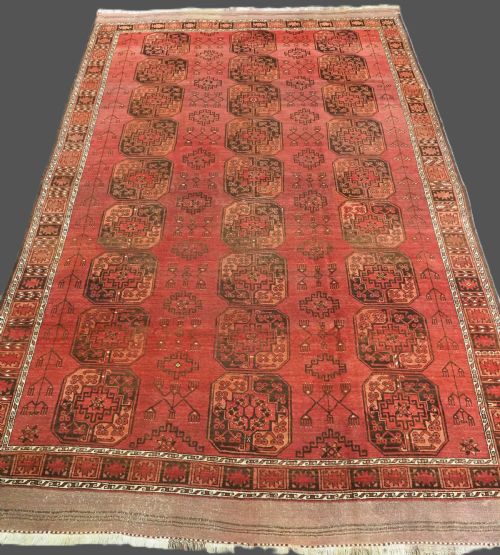
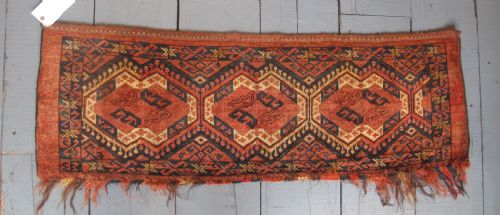
A turkmen carpet 1890 represents a period of traditional weaving from Central Asian tribes, including major carpets, smaller rugs, and functional storage bags. The pieces encountered on this page encompass various tribal groups such as the Ersari, Yomut, Tekke, Saryk, and Beshir. Collectors encounter everything from large floor coverings to torba and chuval faces used for nomadic storage and ceremonial horse furniture.
The designs draw upon ancient tribal motifs like the guls and kepse patterns, rooted in nomadic heritage and passed down through generations. Ersari and Tekke main carpets sit alongside specialised ritual items like dowry rugs and saddle bags. Each format reflects the specific domestic and cultural needs of the Central Asian weavers working around the turn of the twentieth century.
How they were made
Weavers constructed these textiles primarily from wool, utilising durable hand-spun fibres suited to nomadic life. The foundation and pile rely on traditional knotting and weaving techniques passed down within specific tribal groups.
Natural dyes provide the enduring colour palette characteristic of these works, creating deep tones that age gracefully. Artisans applied plant and mineral colourants to the wool before knotting the intricate geometric structures together.
Turkmen Carpet 1890 Retail Price Guide 2026
Typical asking prices for turkmen carpet 1890 among the pieces listed under this phrase on Sellingantiques today, from the lower quarter to the upper quarter. They describe what is for sale here now, not the wider market.
Several horse saddle rugs survive, proving that nomadic weavers cared deeply about the aesthetic opinions of their preferred stallions.
What varies in quality
The refinement of the knotting and the complexity of the tribal guls distinguish different examples. Finer specimens display precise geometry and tightly packed piles that articulate the traditional motifs with sharper clarity.
The depth and preservation of the natural dyes significantly influence the visual impact of each textile. Variations in the wool quality and the integrity of the original borders also separate standard tribal utility pieces from masterworks.
The Turkmen Carpet 1890 Glossary
- Gul
- A primary octagonal medallion motif repeated across Turkmen carpets. It often identifies the specific tribe or sub-group that wove the textile.
- Torba
- A small utilitarian bag face used for nomadic storage inside a yurt. These pieces display intricate secondary designs distinct from large floor carpets.
- Chuval
- A large tent bag face utilised for storing household goods. They frequently feature multiple rows of guls executed in rich wool.
- Beshir
- A sub-style associated with Ersari weavers residing near the Amu Darya basin. These works sometimes incorporate ikat-inspired motifs alongside traditional tribal patterns.
- Tekke
- A prominent Turkmen tribe renowned for finely knotted rugs and precise geometric layouts. Their weaving typically centres on well-spaced guls and characteristic minor ornaments.
Turkmen Carpet 1890: Frequently Asked Questions
How do I identify a Turkmen carpet?
Look for characteristic repeating octagonal guls and a deep red or madder colour palette across the woven surface.
Tribal attributions often rely on the specific secondary motifs, border styles, and structural format of the rug.
Where were these carpets made?
Central Asian workshops and nomadic camps produced these textiles across regions that encompass modern Turkmenistan, Uzbekistan, and northern Afghanistan.
Different tribal confederations inhabited these areas and maintained distinct weaving traditions.
How were storage bags used?
Items like torbas and chuvals served practical functions inside traditional nomadic dwellings for storing household goods and bedding.
Nomads hung them against yurt walls or loaded them onto pack animals during seasonal migrations.
How do I care for an antique rug?
Protect the wool textile from direct sunlight and damp conditions to preserve the natural dyes and fibres.
Gentle vacuuming without a beater bar helps maintain the pile without disturbing the ancient foundation.