



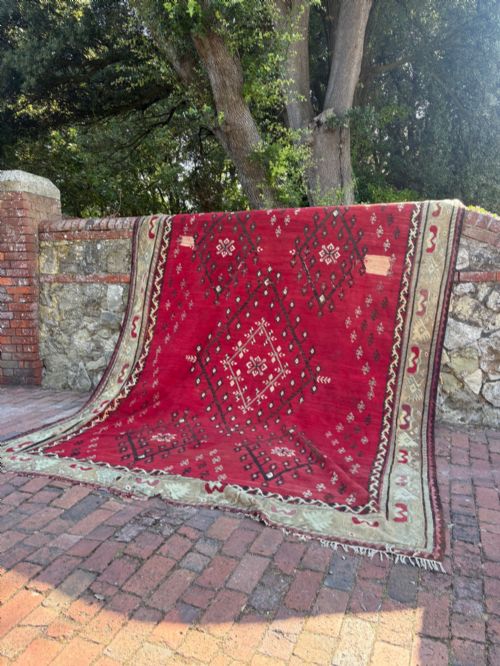

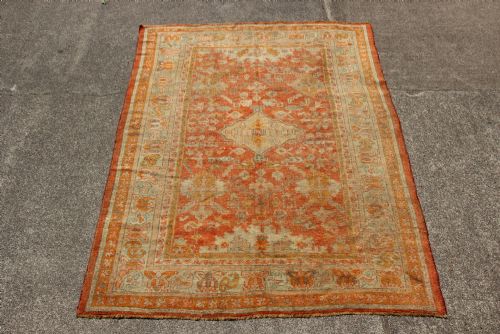


Turkish Woven Rug
A turkish woven rug brings centuries of Anatolian village craft and rich tribal symbolism directly to your floor.
Turkish Woven Rug
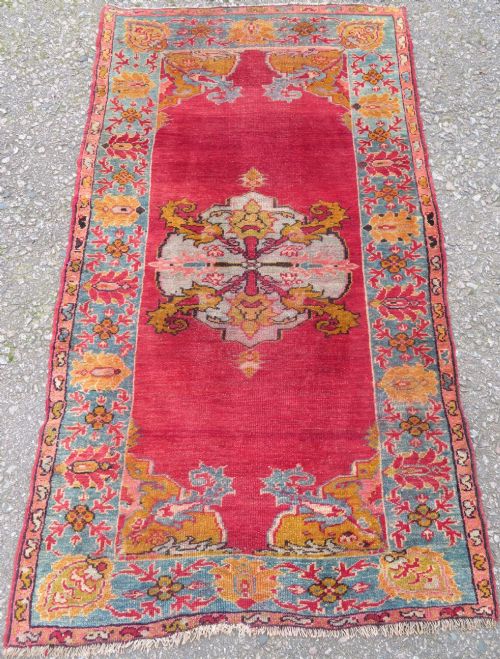
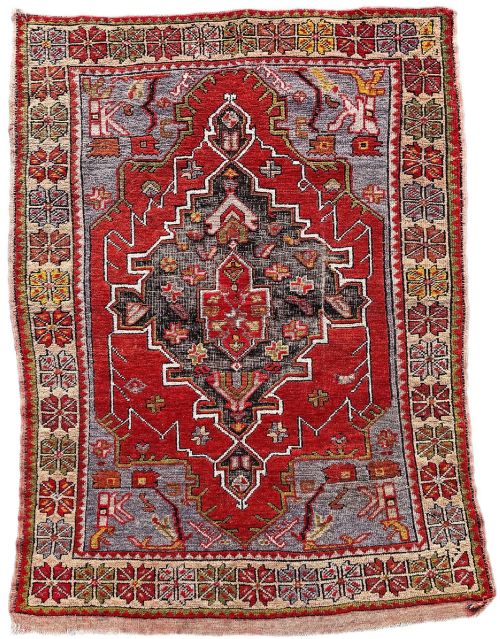
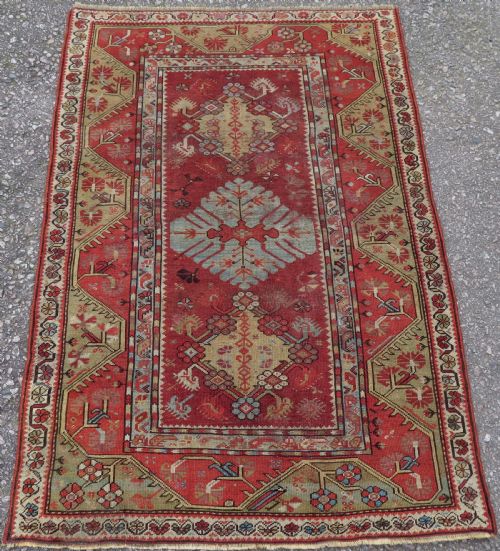
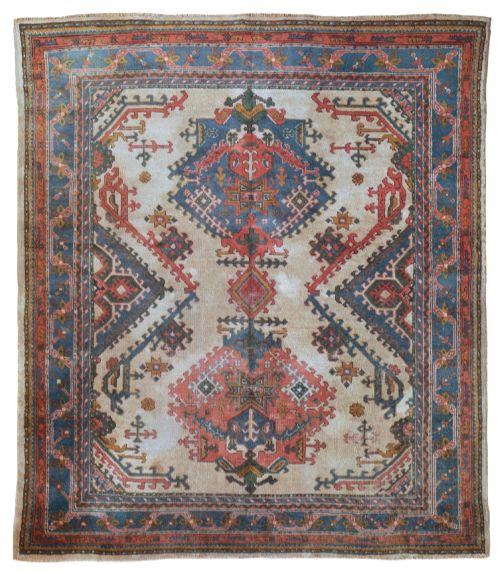
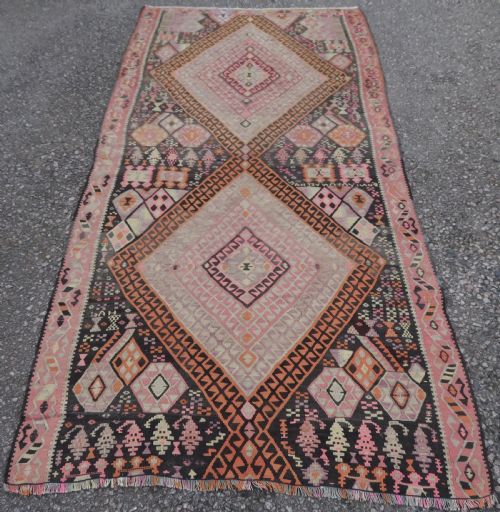
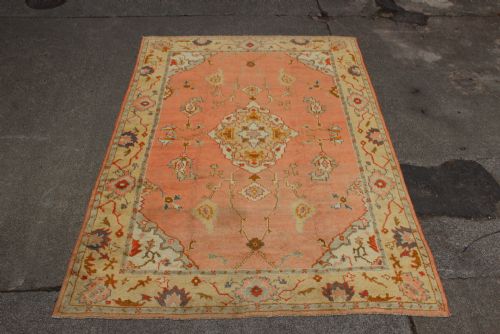
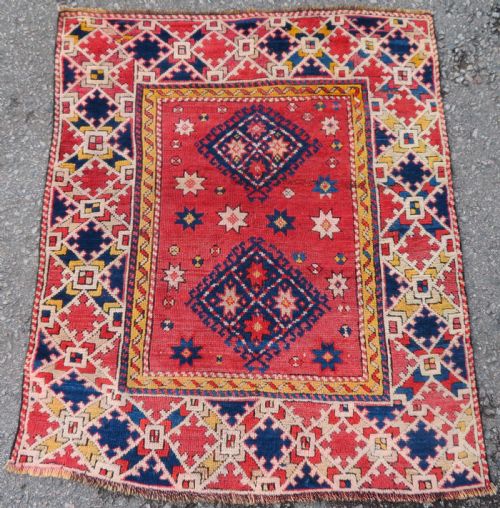
A turkish woven rug encompasses large carpets, long runners, smaller prayer formats, and flatweave kilims originating from regions such as Ushak, Ghiordes, Konya, and Bergama. The selection spans from nineteenth-century pieces down to the early twentieth century, reflecting diverse village and workshop traditions across Anatolia.
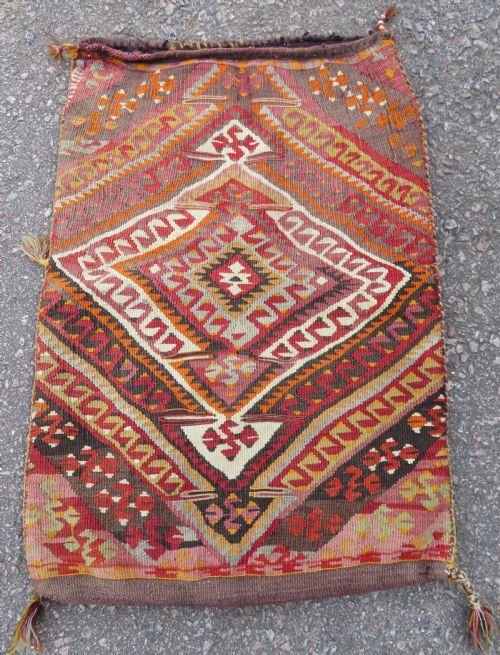
Buyers frequently encounter scatter rugs, cushion covers fashioned from fragment bags, and sizeable carpets bearing traditional motifs. These items range from geometric tribal village pieces to court-influenced Oushak and Kirsehir floor coverings.
Materials and Construction
These textiles rely principally on wool, cotton, and silk, employing hand-spun wool and angora wool for pile elements alongside mercerised cotton and art silk details. Weavers constructed them using traditional hand-knotting and flatweaving techniques, sometimes incorporating embroidered cicim panels.
Foundations typically utilise sturdy cotton or wool warps and wefts to support the dense pile or flat surface. Natural dyeing methods yielded the varied palette observed across these historical regional pieces.
Turkish Woven Rug Retail Price Guide 2026
Typical asking prices for turkish woven rug among the pieces listed under this phrase on Sellingantiques today, from the lower quarter to the upper quarter. They describe what is for sale here now, not the wider market.
The listings span pieces dated from the early nineteenth century through the 1930s, featuring wool, cotton, silk, and art silk.
Evaluating Quality
Quality rests upon the fineness of the weave, the clarity of the regional design, and the integrity of the natural materials used by the maker. Examples displaying crisp geometric or floral drawing command attention through their balance of colour and handled weight.
Condition plays a part, distinguishing pieces with minimal wear from those bearing extensive historical repairs or altered dimensions. The handling of the wool and the sophistication of the dye palette further define the standing of individual specimens.
The Turkish Woven Rug Glossary
- Kilim
- A flatwoven carpet or rug produced without a pile by tightly interweaving warp and weft strands. These pieces often display sharp geometric patterns native to Anatolian nomadic groups.
- Prayer rug
- A small rug featuring a mihrab design or niche motif that worshippers direct toward Mecca. Historical examples often originate from centres like Konya, Ghiordes, and Kirsehir.
- Ushak
- A major carpet-weaving centre in western Anatolia known for large-scale floral designs and subdued palettes. Ushak carpets historically supplied European and Ottoman markets alike.
- Cicim
- A supplementary weft-wrapping technique producing raised geometric patterns on a flatwoven ground. Artisans frequently apply this method to decorative bags and wall hangings.
- Yastic
- A small traditional Turkish cushion face or pillow cover woven in village households. These compact textiles typically exhibit distinct regional tribal motifs.
Turkish Woven Rug: Frequently Asked Questions
How do I identify a village rug?
Village rugs display idiosyncratic geometric layouts, asymmetrical motifs, and local colour choices distinct from standardised court workshops.
Weavers in settlements like Bergama and Yahyali expressed their tribal heritage through these direct, robust designs.
What is the difference between a rug and a kilim?
Rugs possess a knotted pile that stands proud of the foundation, giving a plush texture underfoot. Flatweave kilims contain no pile, relying entirely on interlocked warp and weft threads for a smooth, tapestry-like surface.
Both forms share deep roots in Anatolian textile traditions.
How should I clean my textile?
Gentle surface vacuuming without a beater bar removes loose grit from the fibres. Professional specialist cleaning remains essential for historical wool and silk pieces to protect natural dyes.
Avoid immersion washing or harsh chemical treatments entirely.
Can I place these pieces in high traffic areas?
Sturdier wool pile carpets and flatweaves tolerate moderate hallway or living room placement when paired with a quality underlay. Delicate silk examples and fragile nineteenth-century prayer rugs suit low-traffic rooms or wall display.
Rotating the textile periodically ensures even wear over time.