



Turkish Tribal Runner
A turkish tribal runner brings nomadic geometry and rich regional dyes straight from Anatolian villages into your hallway.
Turkish Tribal Runner
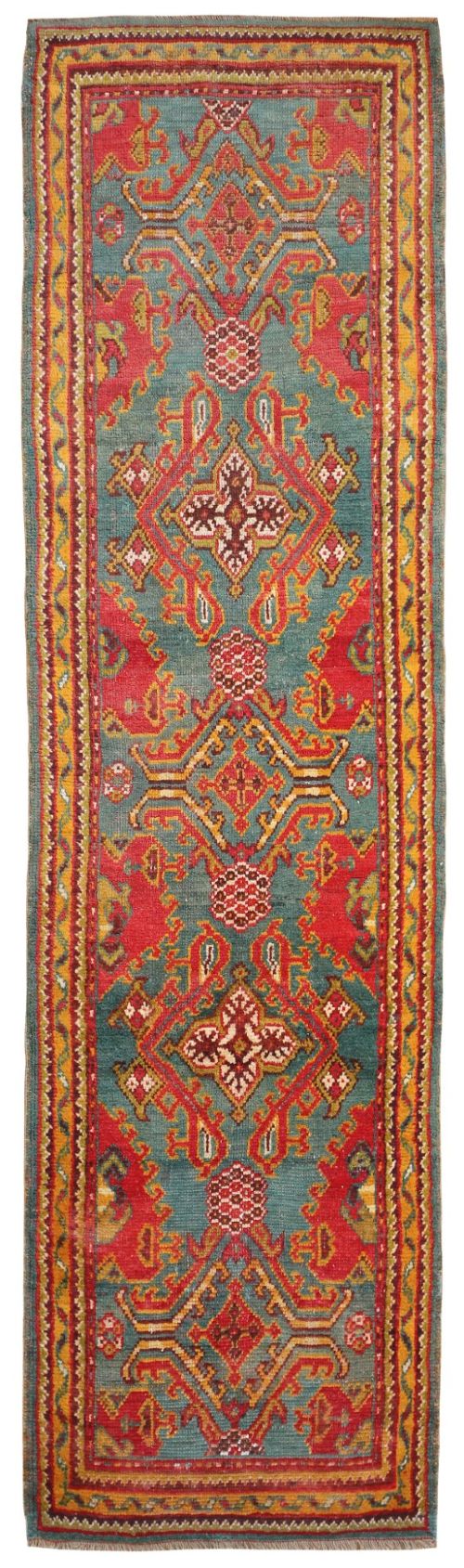
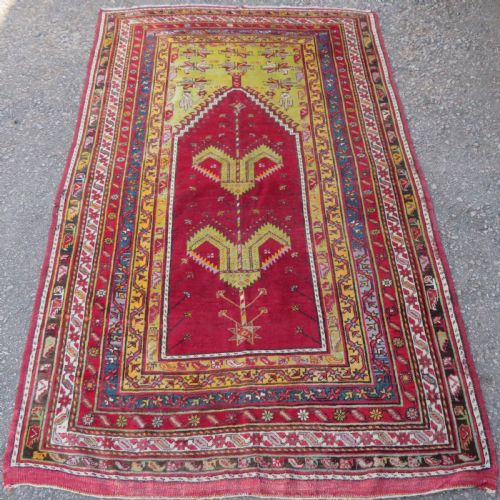
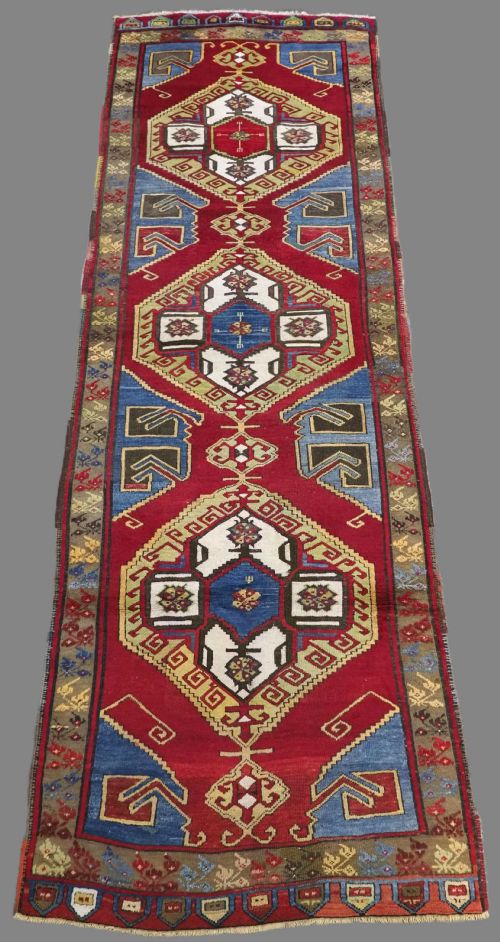
When you search for a turkish tribal runner, you are looking at narrow floor coverings woven by village and nomadic weavers across Anatolia. These pieces bring centuries of traditional pattern-making into domestic spaces, serving as practical walkways with distinct geometric fields.
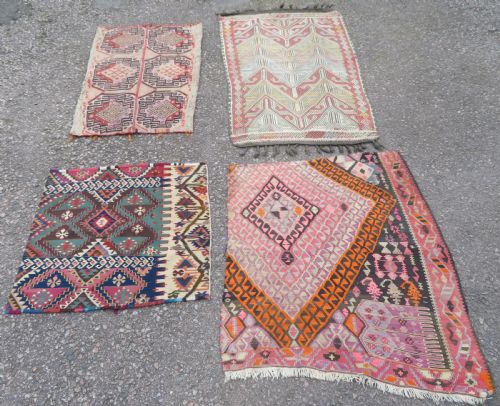
The selections on this page span from the nineteenth century into the early twentieth century, taking the form of long runners, village rugs, and flatweave kilims. You will frequently encounter regional formats named after weaving centres such as Konya, Ushak, and Kirsehir.
These floor coverings reflect the distinct tribal heritage of their makers through repeated motifs and bold borders. Each runner serves as a historical textile document from regions including central and eastern Anatolia.
What varies in quality
The grade of a runner is determined by the density of the weave, the clarity of the regional motifs, and the depth of the hand-spun wool. Finer knots and tighter foundation structures produce greater durability and crisper geometric lines.
Colour retention and the integrity of the natural dyes separate standard village pieces from exceptional works. The vibrancy of the palette and the skillful balance of central medallions dictate the visual impact of the textile.
Turkish Tribal Runner Retail Price Guide 2026
Typical asking prices for turkish tribal runner among the pieces listed under this phrase on Sellingantiques today, from the lower quarter to the upper quarter. They describe what is for sale here now, not the wider market.
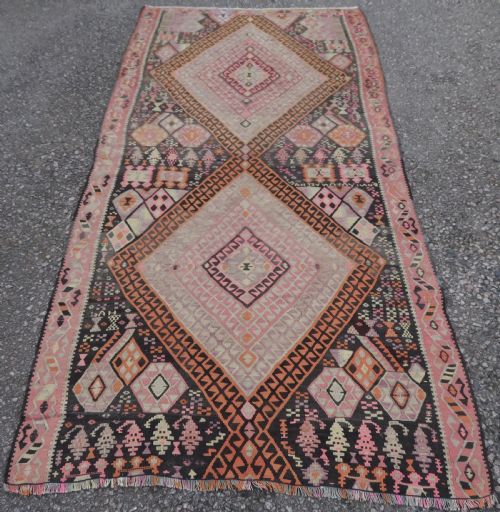
Some larger kilims were cleverly woven in two separate halves and stitched together so nomadic families could manage them on modest looms.
Kirsehir·Konya·Ushak·Milas·Kayseri
The Turkish Tribal Runner Glossary
- Kilim
- A flatweave carpet or rug produced without a pile by tightly interweaving warp and weft strands. These textiles often display sharp geometric patterns and lighter overall weights.
- Anatolian
- Pertaining to the geographical region of Asia Minor that constitutes the heartland of traditional Turkish rug production. This label covers numerous distinct weaving villages and nomadic tribes.
- Warp
- The vertical threads stretched tightly on the loom that form the structural skeleton of the rug. The exposed fringe at either end of a runner consists of these surviving warp threads.
- Weft
- The horizontal threads passed back and forth across the warp to hold the knots or flatweave design in place. Together with the warp, they create the durable foundation of the textile.
- Medallion
- A large central ornamental design motif placed in the middle of the rug field. Weavers often surround this focal point with intricate geometric borders and secondary motifs.
Turkish Tribal Runner: Frequently Asked Questions
How do I care for an old wool runner?
Vacuum gently without using a rotating beater bar to protect the delicate hand-spun wool pile and ancient fringe. Keep the textile away from prolonged direct sunlight to preserve the natural dyes.
Rotate the runner periodically to ensure even wear across high-traffic hallway areas. Professional cleaning should be undertaken sparingly by specialists experienced in antique tribal textiles.
Where were these runners originally woven?
These textiles originate from villages and nomadic encampments across Anatolia, spanning central and eastern regions of Turkey. Specific areas such as Malatya, Bergama, and Yahyali developed distinct local patterns.
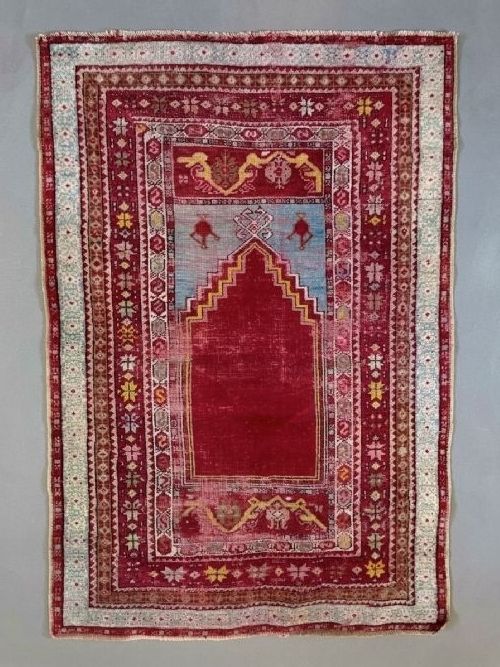
Weavers in these provinces passed down specific tribal colour palettes and geometric motifs through generations. Each producing district imparted characteristic traits into its runners and prayer rugs.
How can I tell the age of a Turkish runner?
Age is assessed by examining the composition of the hand-spun wool, the chemistry of the natural dyes, and the structural wear patterns. Earlier nineteenth-century pieces often display softer, oxidised colour transitions and organic irregularities.
Twentieth-century examples frequently exhibit more standardised village designs and tighter, more uniform knot counts. Comparing structural characteristics against documented regional types helps narrow down the production period.