




Turkish Bohemian Rug
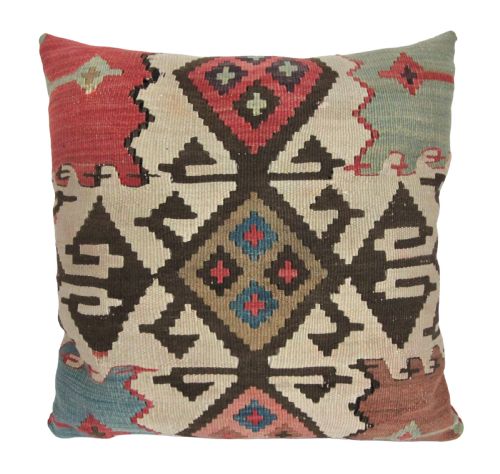
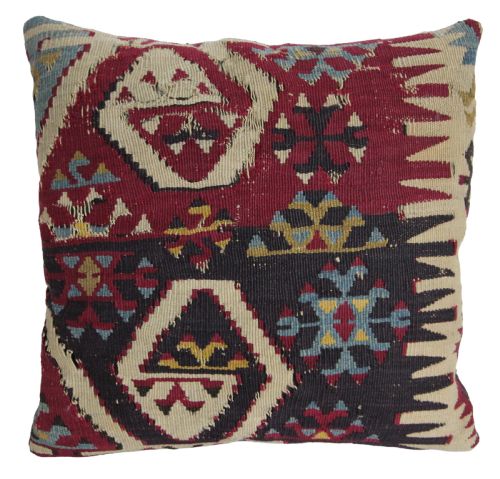
These pieces sold as a turkish bohemian rug bring distinct Anatolian tribal character and colour into a room.
Turkish Bohemian Rug
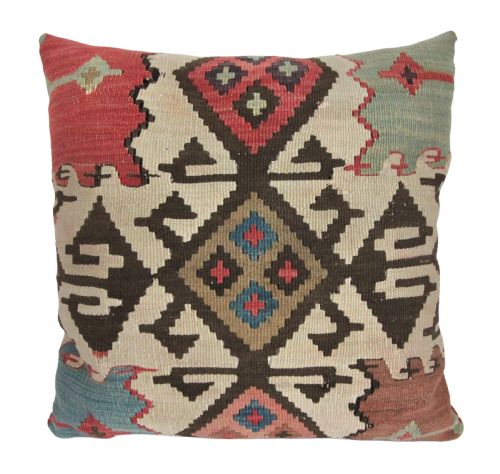
When you search for a turkish bohemian rug, you encounter flatwoven cushions and carpets rooted in Anatolian tradition. These textiles draw on tribal and traditional Persian styles to create eclectic interior accents.
The selection here consists chiefly of antique kilim cushions alongside vintage wool and art silk carpets. Pieces date from the mid-nineteenth century up to the nineteen-thirties.
You are most likely to meet antique kilim cushions from eighteen-fifty and eighteen-seventy, alongside bolder vintage rugs from nineteen-thirty.
How they were made
The construction relies on traditional flatweaving techniques using wool and cotton foundations. Artisans combine these natural fibres to achieve durable textiles with rich surface textures.
Later pieces incorporate mercerised cotton and art silk to introduce a distinct sheen alongside traditional wool. These materials allow for repeat floral designs and vibrant colour palettes.
Turkish Bohemian Rug Retail Price Guide 2026
Typical asking prices for turkish bohemian rug among the pieces listed under this phrase on Sellingantiques today, from the lower quarter to the upper quarter. They describe what is for sale here now, not the wider market.
Object types found here range from antique kilim cushions to traditional wool carpets and art silk rugs.
What varies in quality
Quality rests upon the tightness of the weave and the fidelity of the traditional Anatolian design. Finer pieces demonstrate precise execution in tribal patterns and balanced colour distribution.
The choice of materials also divides the range, distinguishing simple wool constructions from finer mercerised cotton and art silk examples. Age further influences character, separating mid-nineteenth-century kilims from later twentieth-century production.
The Turkish Bohemian Rug Glossary
- Kilim
- A flatwoven carpet or rug made without a pile, produced extensively across Anatolia. These textiles serve both as floor coverings and decorative cushion covers.
- Anatolian
- Pertaining to Asia Minor and the heartland of traditional Turkish rug production. This designation encompasses various tribal and regional weaving styles.
- Mercerised cotton
- Cotton yarn treated with caustic soda to increase lustre and dye affinity. This treatment gives the fabric a brighter appearance reminiscent of silk.
- Art silk
- Artificial silk used in textile manufacture to provide a smooth feel and reflective sheen. It appears in twentieth-century regional weaving.
- Tribal style
- Designs originating from nomadic or village weavers rather than urban workshops. These patterns often feature geometric motifs and bold, direct colour choices.
Turkish Bohemian Rug: Frequently Asked Questions
What is a kilim cushion?
A kilim cushion is made from sections of antique flatwoven textiles stitched together to form a soft furnishing. They bring authentic Anatolian patterns into modern seating arrangements.
These pieces repurpose durable tribal weaves, giving historical textiles a practical second life in domestic spaces.
How do I date these rugs?
Dating relies on material analysis, dye types, and stylistic indicators recorded in the weaving. Mid-nineteenth-century pieces often display distinct tribal characteristics compared to nineteen-thirties examples.
Examining the use of traditional wool against art silk or mercerised cotton helps establish the likely production era.
Where were these textiles made?
These pieces originate from weaving centres and nomadic groups across Anatolia. Regions such as Esme and Kayseri contribute distinct regional designs.
Local weaving traditions dictate the specific motifs, whether geometric tribal patterns or repeat floral compositions.
How do I clean a wool carpet?
Wool rugs require gentle maintenance such as regular light vacuuming without a beater bar. Professional cleaning is recommended for deeper care to protect the natural fibres.
Avoiding excessive moisture and direct sunlight preserves the original dyes and structural integrity of the weave.