


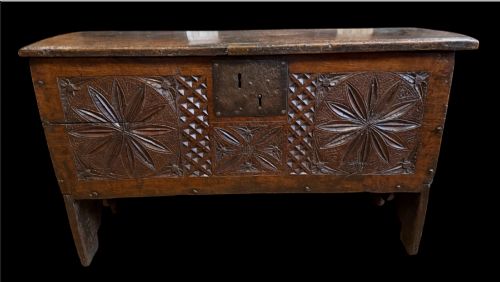


Tudor Storage Box
A genuine tudor storage box is a heavy timber vessel built to secure domestic valuables, offering rugged utility and historic character.
Tudor Storage Box
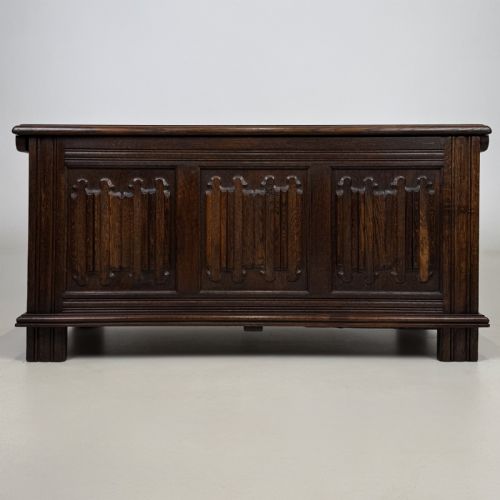
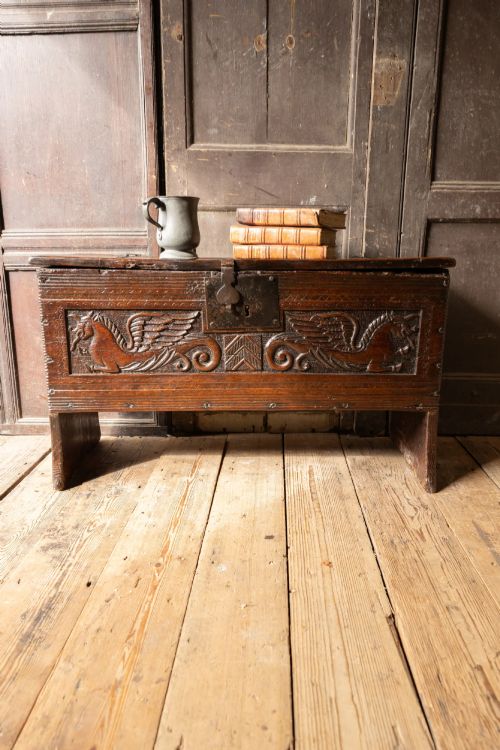
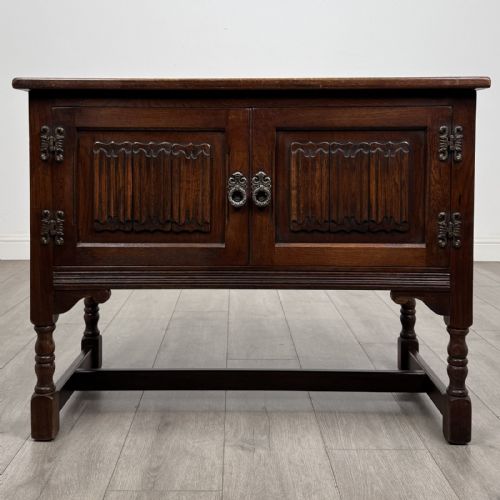
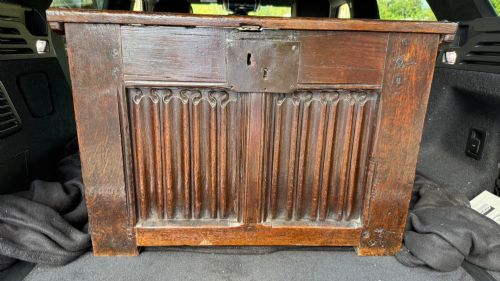
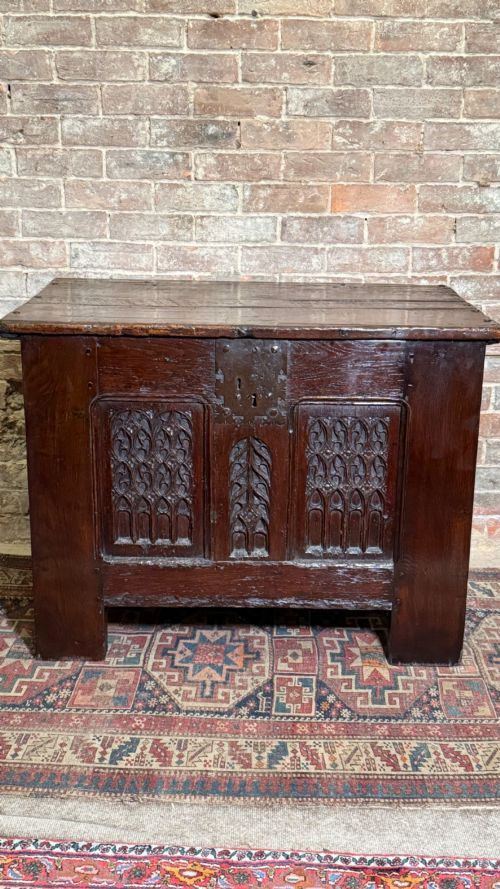
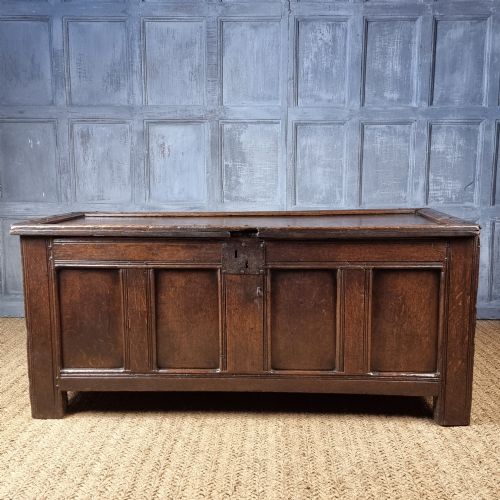
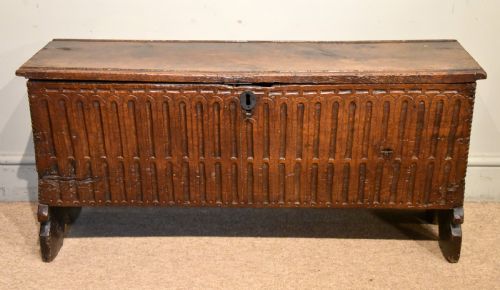
A tudor storage box primarily takes the form of a boarded coffer, plank chest, or linenfold cabinet designed for heavy domestic utility. You will most frequently encounter sixteenth-century oak examples alongside twentieth-century revival pieces built in similar styles.
These items served to secure textiles, documents, and valuables in domestic interiors before fitted closets became common. The forms range from simple six-plank constructions to elaborately carved coffers bearing fluting, winged beasts, or linenfold panels.
Judging Quality and Craftsmanship
The distinction between ordinary and superior pieces rests on the depth and ambition of the timber carving. Elaborate surface decoration, such as carved winged fantastic beasts or intricate inlay, elevates a utilitarian box into a work of fine craftsmanship.
The integrity of the original timber and period hardware largely determines the desirability of a piece. Survival of early boarded structures with minimal replacement parts commands greater interest among serious collectors.
Tudor Storage Box Retail Price Guide 2026
Typical asking prices for tudor storage box among the pieces listed under this phrase on Sellingantiques today, from the lower quarter to the upper quarter. They describe what is for sale here now, not the wider market.
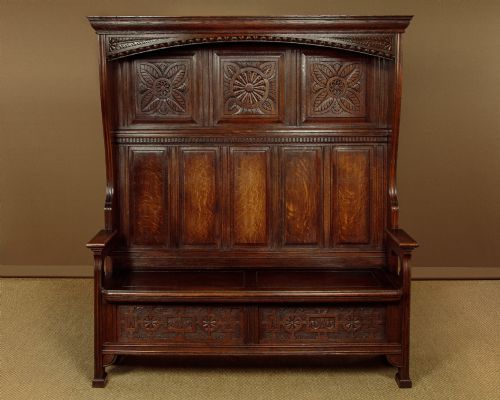
Form variations include boarded coffers, plank chests, linenfold cupboards, and canopy top box settles.
The Tudor Storage Box Glossary
- Coffer
- A heavy wooden chest used for storing valuables and personal belongings. These sturdy containers often feature hinged lids and iron reinforcement.
- Linenfold
- A style of wood carving that mimics the appearance of folded linen fabric. This decorative motif appears frequently on sixteenth-century panels.
- Boarded chest
- A primitive form of furniture constructed from thick planks joined directly at the edges. This method represents an early approach to box construction.
- Canopy top
- A projecting wooden hood or roof built over the upper section of a settle or box. This design element provided shelter from draughts in early interiors.
Tudor Storage Box: Frequently Asked Questions
What did they store inside?
Households used these heavy timber chests to store precious textiles, legal documents, silver, and other valuable portable property. Because domestic spaces lacked fitted wardrobes, the chest served as the primary secure wardrobe.
Over time, contents shifted depending on the household wealth, ranging from woollen blankets to family archives. The robust construction ensured that dampness and pests remained at bay.
How do I spot a revival piece?
Twentieth-century revival pieces often exhibit machine-cut timber marks, lighter weight, and modern fixings hidden beneath the surface. Examining the interior construction and wood patina helps distinguish a sixteenth-century original from a 1920s interpretation.
Original Tudor examples display hand-split oak boards with distinct tool marks left by early adzes and chisels. Revival pieces from the 1920s emulate these historic styles but lack the accumulated wear of centuries.
Where were they made?
Carpenters produced these chests across England and Wales, with certain regional styles such as West Country carving showing distinct local characteristics. Local craftsmen utilised native woods like oak available in their immediate vicinity.
Regional workshops developed particular methods for plank joining and surface decoration. This local variation allows specialists to attribute certain pieces to specific geographical areas.
How do I care for historic oak?
Maintain stable humidity and temperature in the room to prevent the ancient oak from splitting or warping. Avoid placing the chest near direct heat sources or modern radiators.
Apply a traditional beeswax polish sparingly to nourish the dry timber surface. Regular dusting with a soft dry cloth is sufficient for routine maintenance.