



Tudor Oak Cupboard
A tudor oak cupboard is a solid timber storage piece built with traditional joinery, offering robust practicality and centuries of historical character.
Tudor Oak Cupboard
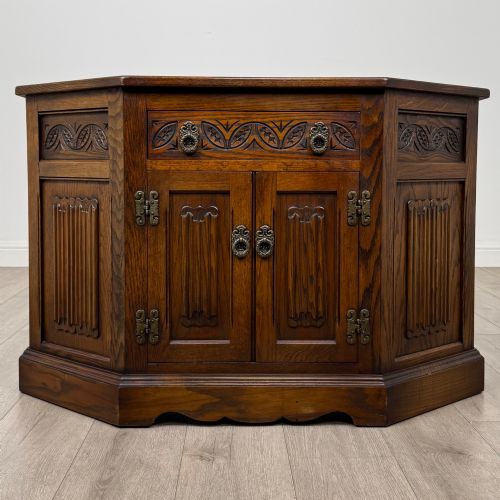
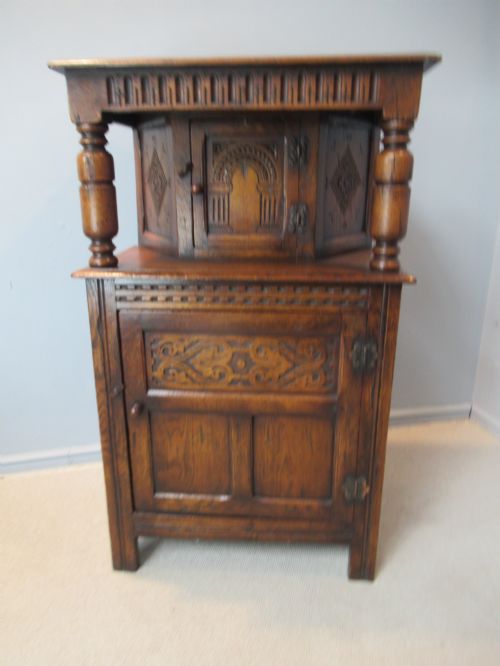
A tudor oak cupboard encompasses sturdy court cupboards, side cabinets, and bookcases spanning multiple centuries and revival periods. The listings here present a strong selection of early pieces alongside twentieth-century revivals.
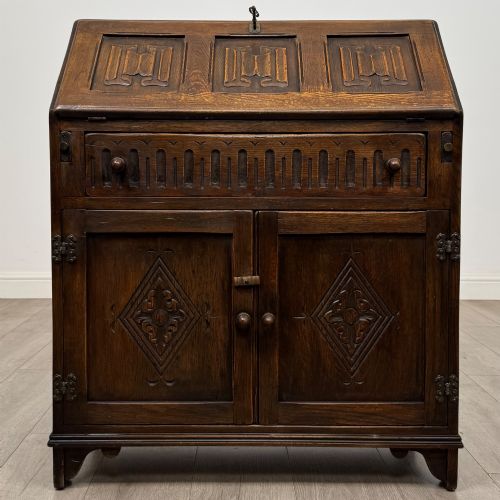
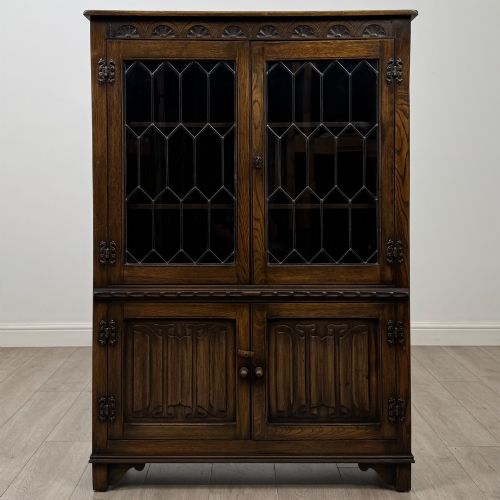
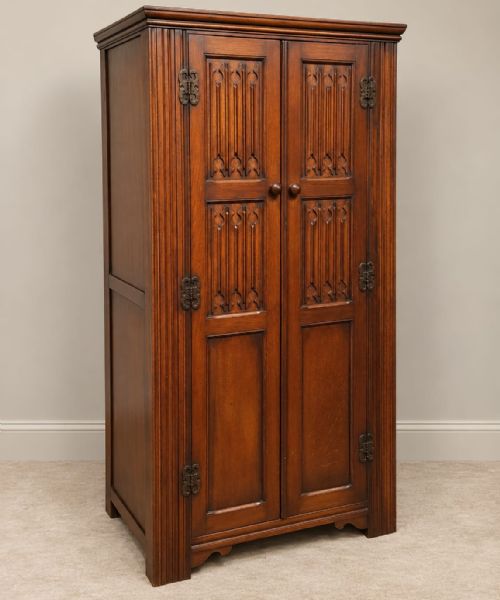
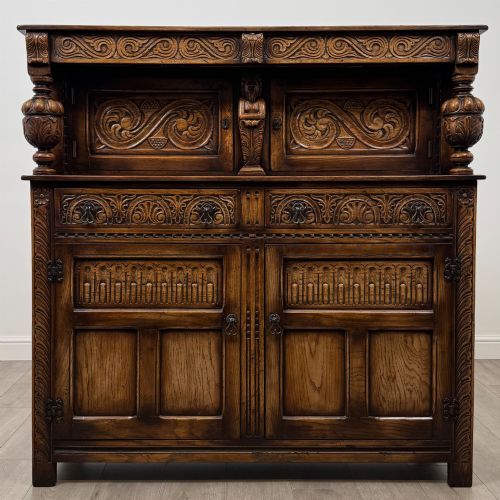
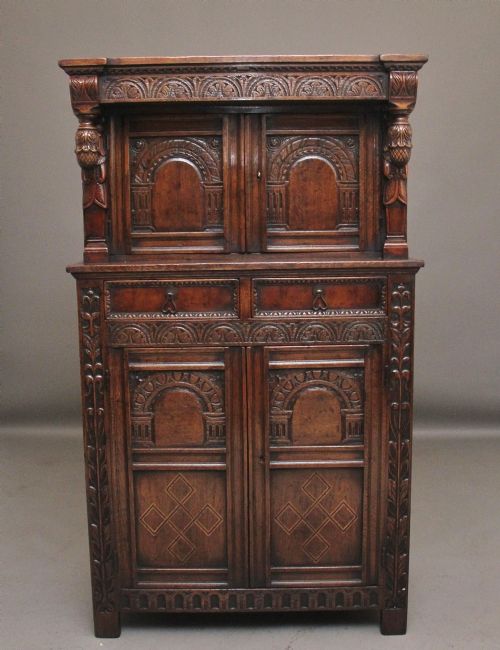
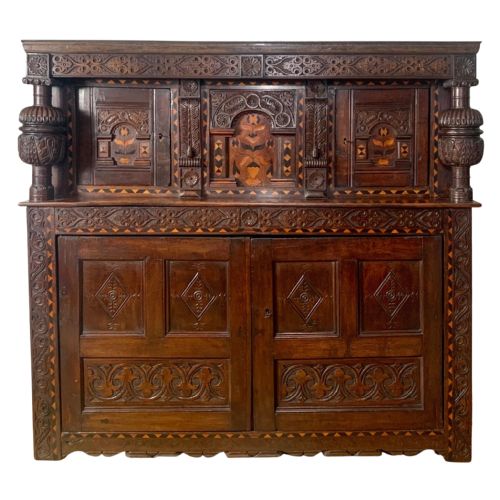
Court cupboards dominate the selection, bringing distinctive tiers and carved woodwork into modern rooms. Alongside these, buyers will frequently encounter linenfold bureaus, wardrobes, and simpler side cabinets.
The material origins stretch from sixteenth-century originals to Edwardian and 1920s reinterpretations. This mix allows collectors to choose between authentic early woodwork and sturdy revival craftsmanship.
What varies in quality
The depth and crispness of the timber carving separate standard production items from superior pieces. Hand-tooled detail on court cupboards shows a level of artisanal care that machine-cut revival work lacks.
The choice of timber and the integrity of the solid oak construction dictate the longevity of the cabinet. Heavier, uncompromised boards and period ironmongery elevate the standing of any individual storage piece.
The listings combine sixteenth-century originals with Jacobean Revival pieces from the Edwardian era and the 1920s.
The Tudor Oak Cupboard Glossary
- Court cupboard
- A traditional tiered storage cabinet used for displaying plate and storing provisions. These pieces typically feature carved upper sections supported by pillars.
- Linenfold
- A style of wood carving that mimics the appearance of folded fabric. This decorative motif appears frequently on panels and doors.
- Jacobean Revival
- An architectural and furniture style popular in the nineteenth and twentieth centuries. It emulates the heavy, dark-toned woodwork of the early seventeenth century.
- Mortise and tenon
- A traditional joint used to connect two pieces of wood securely. One end is shaped to fit snugly into a corresponding cavity in the other.
Tudor Oak Cupboard: Frequently Asked Questions
How do I date a court cupboard?
Dating relies on examining the construction methods, tool marks, and specific carving styles present on the timber. Early originals show hand-adzed surfaces and pegged joints, whereas twentieth-century revivals use more uniform machine milling.
Hardware and hinges also offer clues to the period. Hand-forged iron fittings generally point to older construction, while later revival pieces often incorporate standardised brass elements.
Are these cupboards suitable for daily use?
These solid oak pieces offer robust storage capacity that suits modern living spaces well. Their deep shelves and sturdy frames easily accommodate books, dinnerware, or everyday household items.
Placing them away from direct heat sources helps preserve the timber. Regular waxing maintains the finish and protects the dry oak surface.
How should I care for antique oak furniture?
Maintaining solid oak requires consistent humidity levels to prevent the timber from splitting or warping. Applying a traditional beeswax polish nourishes the wood and enhances the natural grain without building up heavy chemical residues.
Avoiding placement near radiators or direct sunlight preserves the original colour of the oak. Gentle dusting with a soft cloth keeps the carved details clear of debris.