



Tudor Dining Table
A tudor dining table brings solid timber weight and historic character to a room, whether an original period piece or a later revival.
Tudor Dining Table
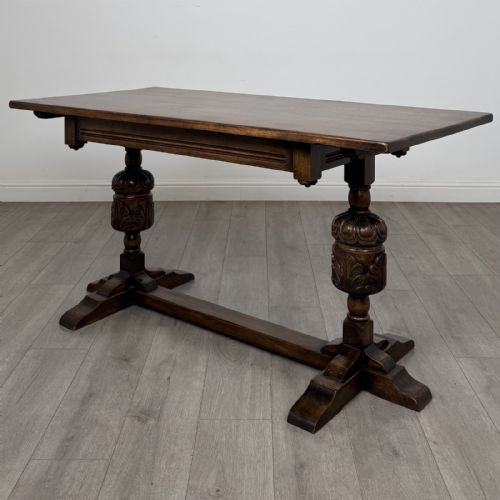
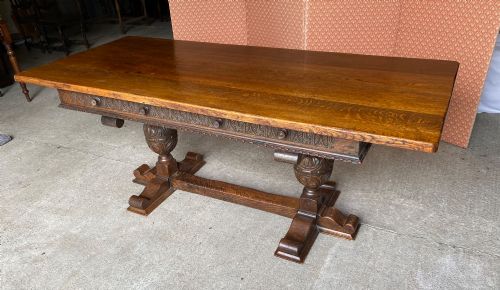
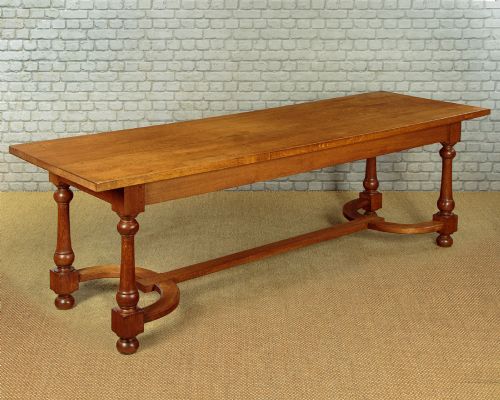
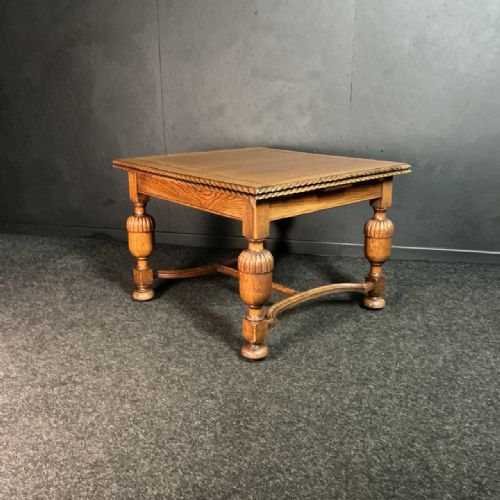
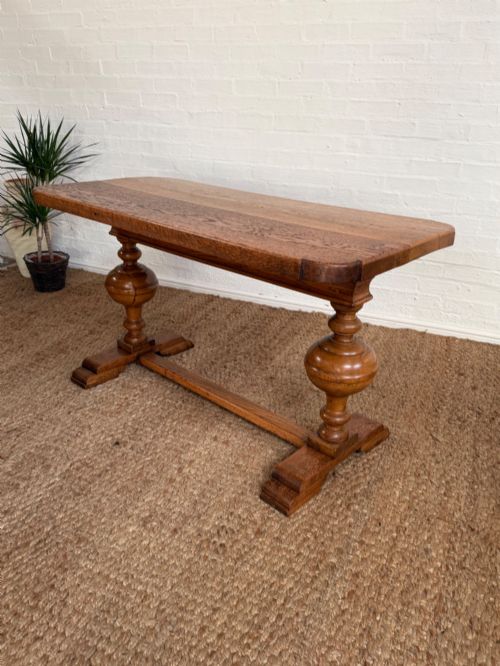
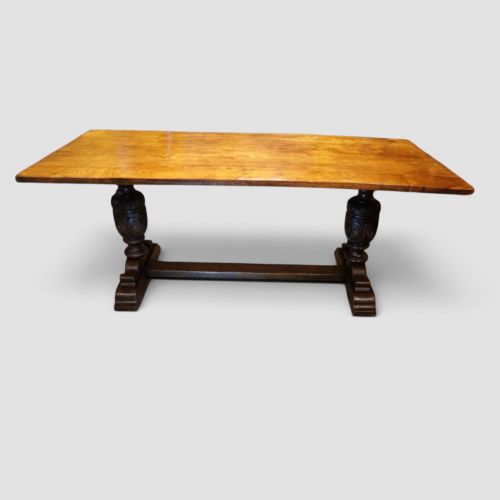
When you search for a tudor dining table, you encounter substantial dining tables and refectory tables built for communal eating. The majority of pieces on this page belong to later revival styles from the twentieth century, alongside seventeenth century examples.
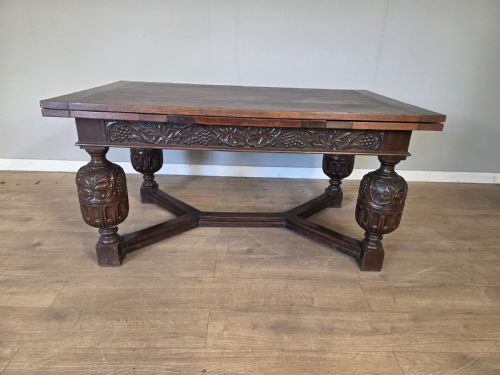
Forms include traditional refectory tables, draw leaf tables, and extending versions designed to seat large numbers of people. These items range from compact formats to large banqueting tables suitable for expansive dining spaces.
How they were made
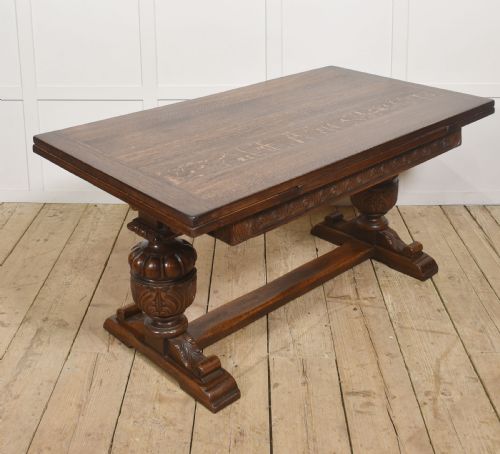
Construction relies heavily upon solid oak, utilising traditional timber framing methods to achieve stability across long spans. Many pieces incorporate mechanical pull-out extensions or draw leaf mechanisms hidden beneath the main surface.
Decoration often includes carved details on the woodwork, reflecting stylistic influences from the Elizabethan and Jacobean periods. Surfaces maintain the natural grain of solid oak through polished finishes.
Tudor Dining Table Retail Price Guide 2026
Typical asking prices for tudor dining table among the pieces listed under this phrase on Sellingantiques today, from the lower quarter to the upper quarter. They describe what is for sale here now, not the wider market.
Listings span several centuries of design, including seventeenth century pieces alongside Edwardian and twentieth century revival refectory forms.
What varies in quality
The distinction between standard examples and the finest pieces rests upon the density of the solid oak and the crispness of the hand carving. Early period origins, such as seventeenth century construction, differ significantly from twentieth century revival interpretations.
Proportion and structural integrity define the upper tier of tables, particularly in extending and refectory formats where mechanism design affects daily use. The presence of original tops paired with matching bases elevates the standing of a piece.
The Tudor Dining Table Glossary
- Refectory table
- A long narrow dining table originally used in monasteries and large halls for communal meals. These tables typically feature sturdy wooden legs connected by low stretchers.
- Draw leaf table
- A table equipped with two concealed leaves beneath the main top that pull out from either end to extend the surface. This mechanism allows the table length to increase quickly.
- Jacobean Revival
- A design style popular in the nineteenth and twentieth centuries that imitates the heavy carved oak furniture of the early seventeenth century. It utilises dark finishes and geometric or strapwork carving.
- Solid oak
- Timber sourced entirely from the oak tree rather than veneered substitutes. This material provides the weight and durability characteristic of traditional heavy dining furniture.
- Elizabethan Revival
- An architectural and furniture style drawing inspiration from the late sixteenth century reign of Elizabeth I. It often incorporates bulbous supports and elaborate carved ornamentation.
Tudor Dining Table: Frequently Asked Questions
Are all these tables from the Tudor period?
Most pieces listed are twentieth century revival interpretations or nineteenth century pieces built in historic styles, though seventeenth century examples also appear.
Revival furniture captures the robust aesthetic of early dining tables while offering practical solutions for modern homes.
How do extending mechanisms work on these tables?
Many tables utilise draw leaf systems where additional panels slide out from beneath the main surface to increase seating capacity.
Other examples feature pull-out extensions built directly into the refectory structure for daily dining flexibility.
What is the difference between a refectory and a farmhouse table?
Refectory tables typically feature long, narrow proportions with structural underframing designed for communal dining halls.
Farmhouse variants often lean towards rustic interpretations suited for everyday kitchen and dining use.
How do I care for solid oak dining furniture?
Solid oak benefits from regular dusting with a dry cloth and occasional treatment with suitable wood waxes to maintain the finish.
Keep these heavy tables away from direct heat sources to prevent timber movement over time.