


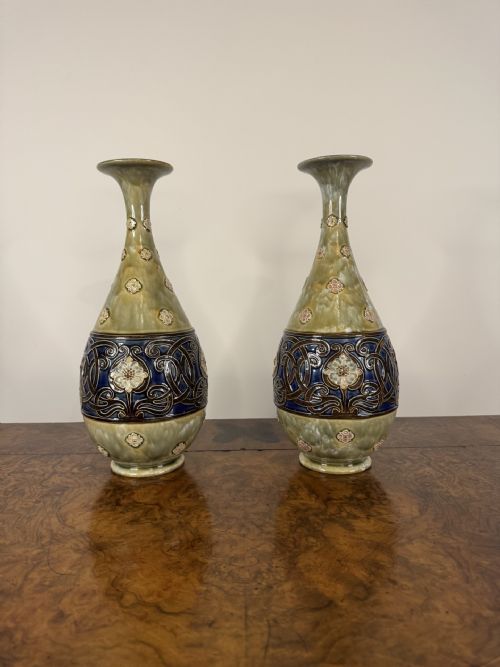


Tubelined Pottery
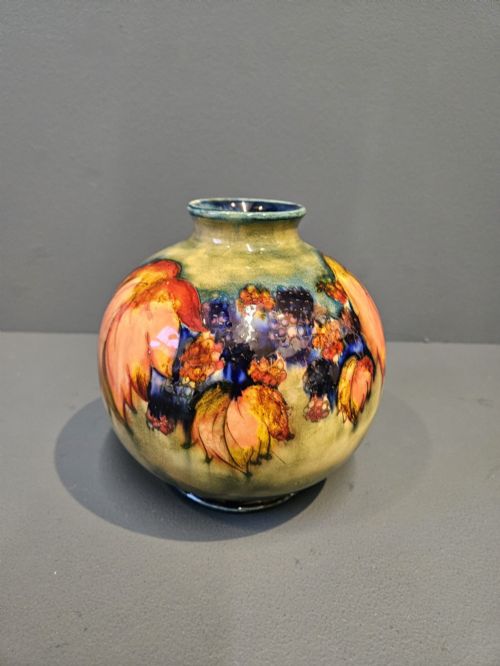
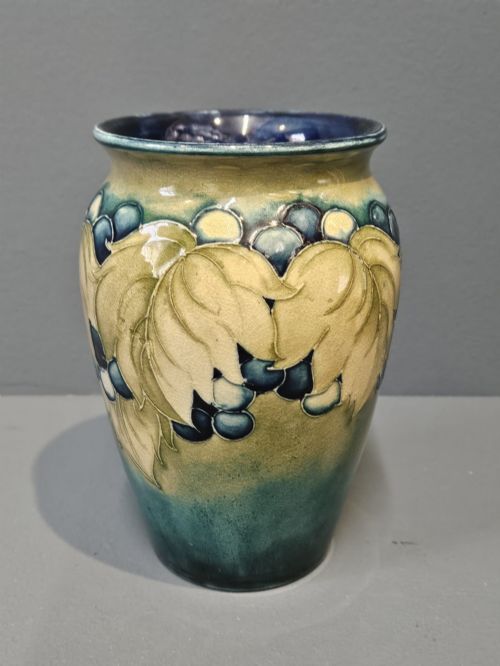
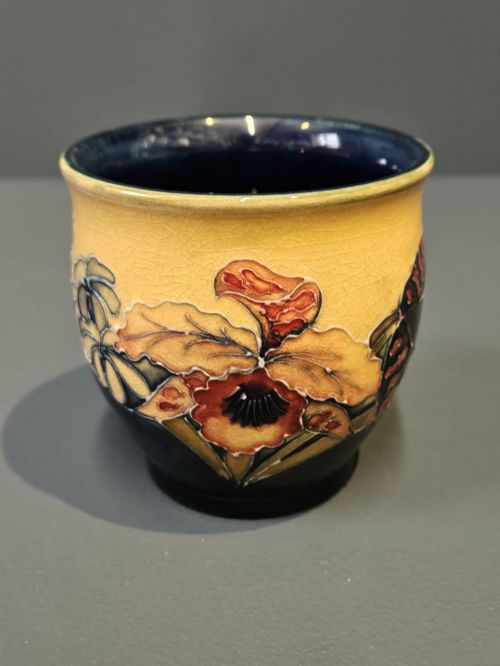
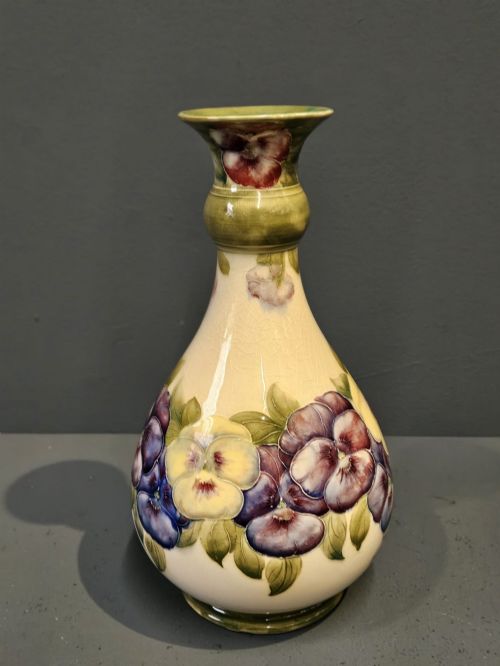
These tubelined pottery pieces bring tactile raised outlines and vibrant coloured glazes into your home.
Tubelined Pottery
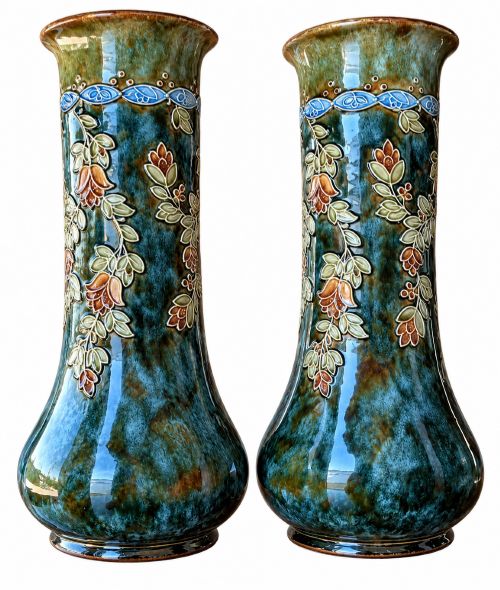
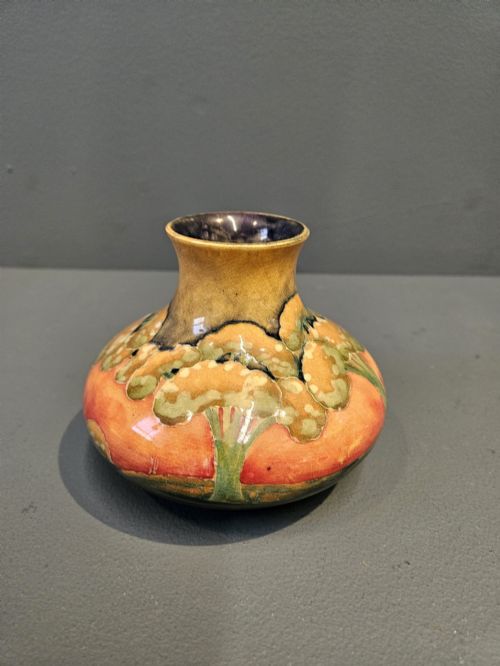
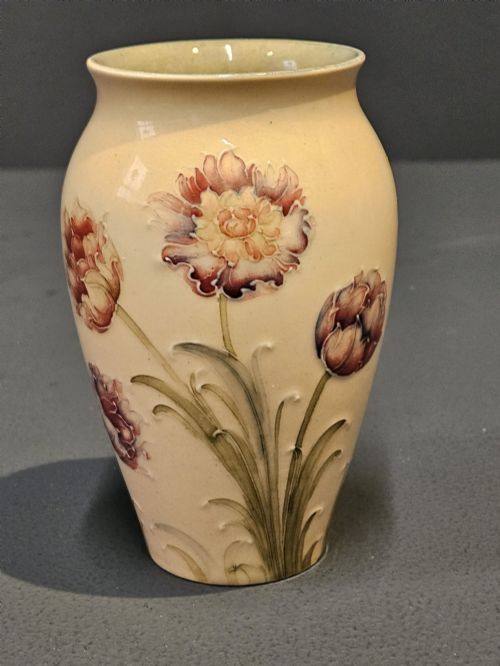
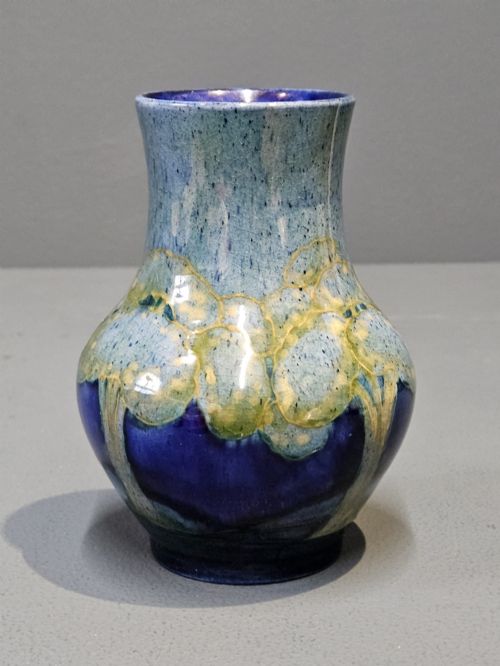
Tubelined pottery encompasses vases, chargers, bowls, and jars decorated with raised clay lines that trap pools of glaze. You will most frequently encounter vases and decorative plates representing periods from the late nineteenth century through to the interwar decades.
Forms range from small compotes and inverted rim bowls to large baluster vases and expansive chargers. These vessels demonstrate the evolution of British art pottery across several decades of dedicated studio production.
Materials and technique
Potters shaped earthenware and stoneware bodies before applying a design with a fine slip-trailer. This technique laid down thin trails of liquid clay to form raised partitions on the surface of the vessel.
Once the raised outlines dried, artisans flooded the enclosed compartments with coloured ceramic glaze. Subsequent kiln firings fused the vitreous coatings, creating rich colour contrasts against matte or lustrous grounds.
Tubelined Pottery Retail Price Guide 2026
Typical asking prices for tubelined pottery among the pieces listed under this phrase on Sellingantiques today, from the lower quarter to the upper quarter. They describe what is for sale here now, not the wider market.
Listings span earthenware and stoneware bodies, incorporating glazed ceramic finishes across various twentieth-century periods.
Assessing quality
Quality rests upon the precision of the raised clay lines and the control demonstrated in the glaze application. Finer pieces display clean, even borders that contain vibrant pools of colour without running into adjacent sections.
The ambition of the form and the complexity of the pattern dictate the upper tier of the range. Studio output signed by master designers or bearing factory stamps from prominent potteries generally commands greater attention from collectors.
Moorcroft·Royal Doulton·Minton·Charlotte Rhead Crown Ducal·Cranston
The Tubelined Pottery Glossary
- Tubelining
- A decorating technique where liquid clay is squeezed through a nozzle onto a ceramic body to form raised outlines. This method creates cells that hold fluid glazes during the firing process.
- Slip
- A liquid mixture of clay and water used for surface decoration or joining pottery sections. In tubelined ware, slip forms the distinctive raised barriers.
- Baluster
- A vertical architectural form featuring a rounded body that tapers towards a narrow neck and flared rim. Many tall ceramic vases adopt this traditional silhouette.
- Lustre
- A metallic surface sheen achieved by introducing metallic salts into the kiln during firing. This finish reflects light with an iridescent quality.
- Compote
- A stemmed dish or bowl used traditionally for serving fruit or sweetmeats. These open vessels showcase interior tubelined patterns effectively.
Tubelined Pottery: Frequently Asked Questions
How do I clean tubelined pottery?
Dust these ceramic surfaces gently with a soft, dry cloth to protect the raised clay outlines. Avoid using water immersion or chemical cleaning agents, which can penetrate hairline crazing in the glaze.
Keep pieces away from direct sunlight and damp environments to preserve the integrity of the earthenware or stoneware bodies over time.
How do I date these pieces?
Examine the base for maker stamps, impressed factory marks, and painted signatures. Stylistic clues such as flowing plant motifs point towards early production, while symmetrical geometric arrangements suggest later decades.
Compare the glaze palette and clay body with documented manufacturer timelines to narrow down the production era.
Where should I display my vases?
Position your vases on stable surfaces where natural light can catch the glossy pool glazes and raised slip lines. Ensure they sit safely away from heavy household traffic to prevent accidental knocks.
Pair chargers and decorative plates with appropriate wall brackets or sturdy stands to showcase the full circular design.
What defines Art Nouveau ceramics?
Art Nouveau ceramics feature flowing organic lines inspired by natural forms like flowers, foliage, and sinuous stems. Makers translated these sinuous motifs into raised tubelined patterns on vases and bowls.
Celadon greens, deep blues, and warm ochres dominate the colour palette of this expressive decorative movement.