


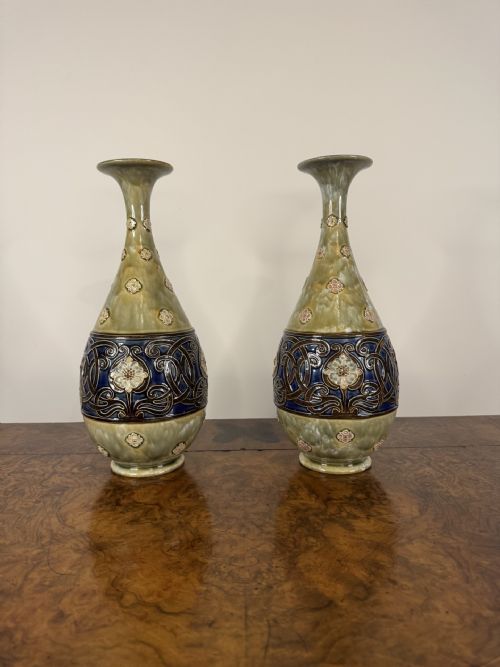


Tubelined Art Ceramic
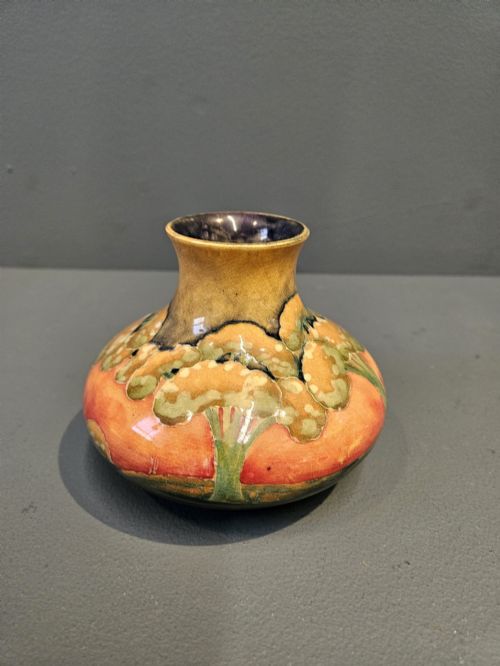
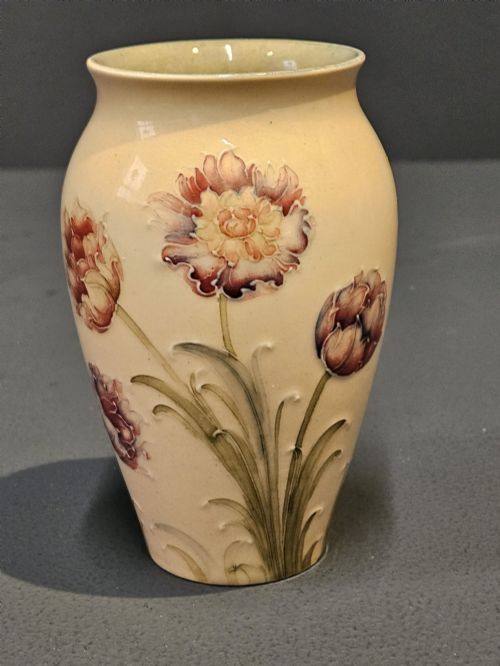
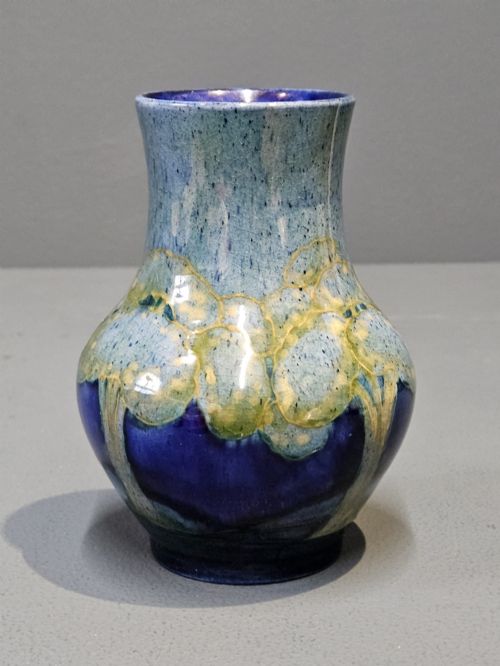
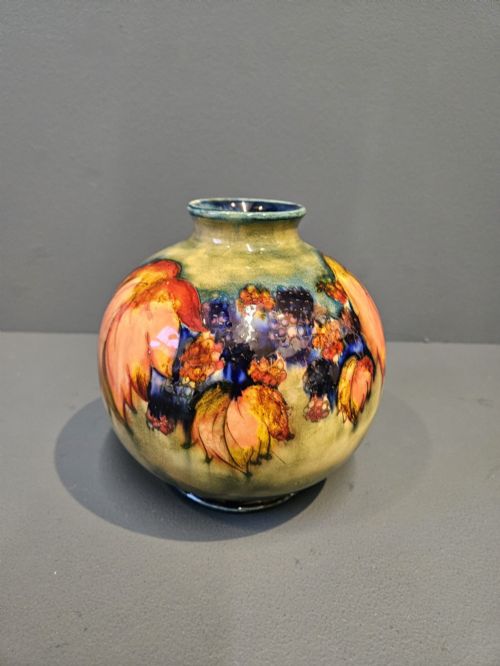
These tubelined art ceramic pieces bring tactile relief and rich colour to a room, driven by skilled hands shaping raised clay lines.
Tubelined Art Ceramic
When you search for tubelined art ceramic, you encounter decorative vessels and chargers shaped by British potteries across the late nineteenth and early twentieth centuries. The pieces on this page span from the eighteen-eighties through the nineteen-thirties, covering the Art Nouveau, Art Deco, and Arts and Crafts movements.
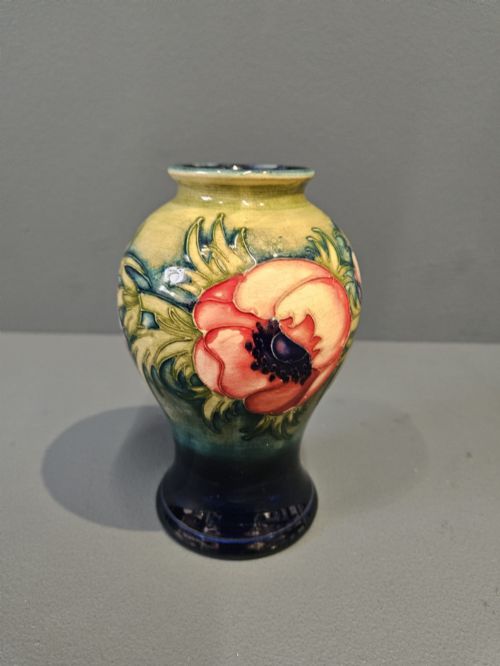
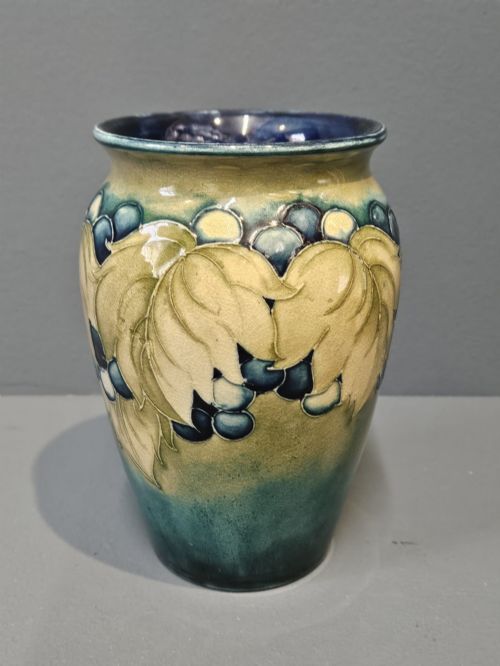
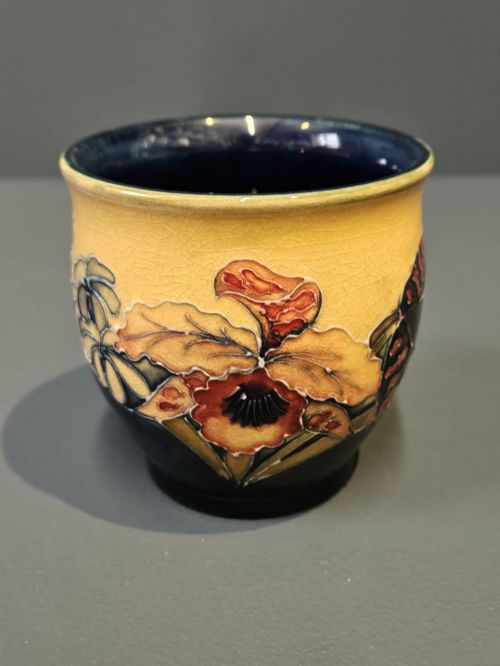
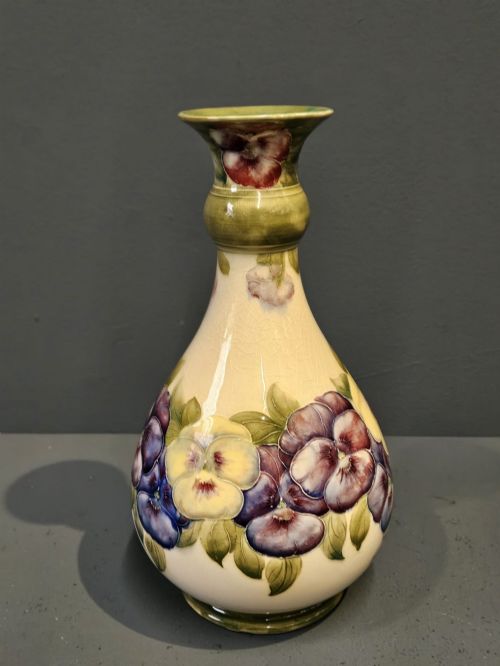
Vases, chargers, and bowls dominate the selection, often bearing floral motifs like pansies, orchids, and pomegranates. Makers such as Moorcroft, Royal Doulton, and Charlotte Rhead define the dominant forms you meet here.
What varies in quality
Quality rests on the crispness of the raised clay lines and the precision of the hand-applied glaze within the cells. Finer examples display balanced compositions where the relief work complements the underlying form without crowding the edges.
The depth of the colour palette and the clarity of the maker's signature or stamp further distinguish superior pieces. Earlier productions often show greater experimentation with glazes and more intricate hand-finishing by named designers.
Tubelined Art Ceramic Retail Price Guide 2026
Typical asking prices for tubelined art ceramic among the pieces listed under this phrase on Sellingantiques today, from the lower quarter to the upper quarter. They describe what is for sale here now, not the wider market.
Some pansy vases arrived with microscopic thumbprints pressed permanently into the wet clay by decorators who worked a century ago.
Royal Doulton·Moorcroft·Minton·Charlotte Rhead·Crown Ducal·Cranston
The Tubelined Art Ceramic Glossary
- Tubelined
- The technique of applying a thin trail of liquid clay to a ceramic body to form raised outlines before glazing. This method keeps different coloured glazes from running together during the kiln firing.
- Earthenware
- A porous pottery body fired at lower temperatures, commonly used for decorated tableware and vases. It requires an impermeable glaze to hold liquids.
- Stoneware
- A dense, impermeable ceramic fired at higher temperatures until vitrified. It provides a sturdy dark or light body favoured by late nineteenth-century potteries.
- Lustre
- A metallic glaze finish that creates an iridescent sheen across the surface of the ceramic. This effect shifts in colour when viewed under changing light.
- Charger
- A large decorative plate intended for display on a wall or sideboard rather than for dining. These pieces often showcase the most complex painted and tubelined designs of a series.
Tubelined Art Ceramic: Frequently Asked Questions
What is tubelined art ceramic?
It is pottery decorated with raised clay lines that form compartments for coloured glazes. The technique creates a stained-glass effect on earthenware and stoneware surfaces.
Artists developed this method during the late nineteenth century, and it remained popular through the Art Deco era. The resulting vessels range from small miniature vases to large chargers.
How do I display these vases?
Place them where natural light can catch the glazed surfaces and highlight the raised outlines. Avoid positioning them in direct, harsh sunlight that might fade delicate colour tones over time.
Larger chargers look best on sturdy plate stands or mounted securely on walls. Smaller vases suit tabletops and mantelpieces where people can appreciate the tactile relief close up.
How do I tell Art Nouveau from Art Deco pieces?
Art Nouveau items feature flowing, organic lines inspired by natural forms such as climbing plants and flower petals. The colours tend to be subtle, muted greens, blues, and celadon hues.
Art Deco works rely on geometric patterns, stylised motifs, and bolder, brighter colour palettes. Floral designs in this later period appear more stylised and symmetrical.