


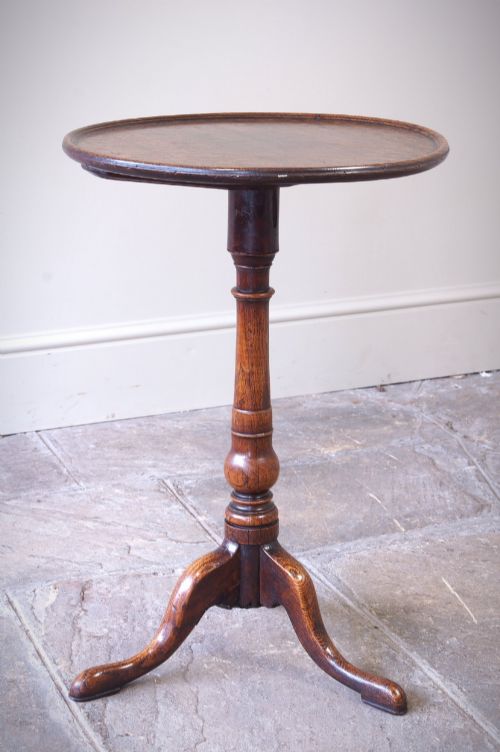


Tripod Stem Lamp Table
A tripod stem lamp table brings centuries of practical surface space to a corner, balanced on three slender legs.
Tripod Stem Lamp Table
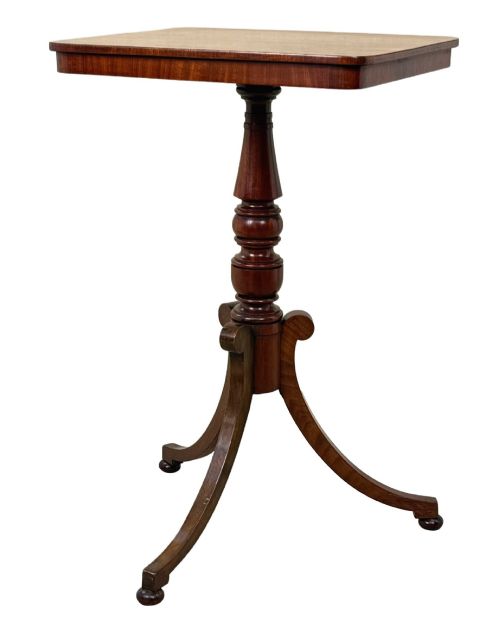
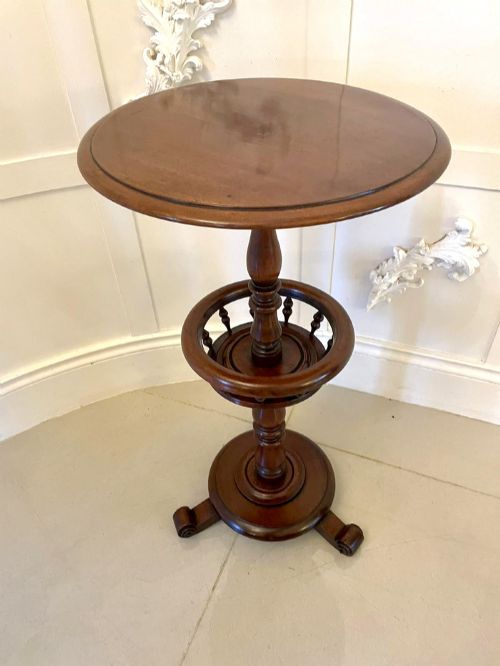
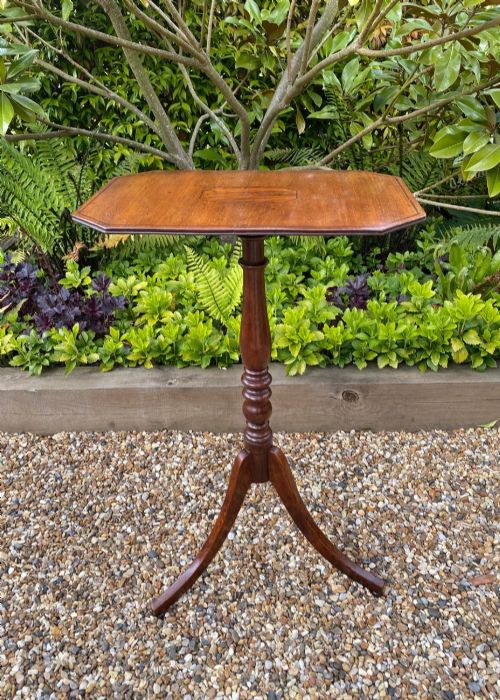
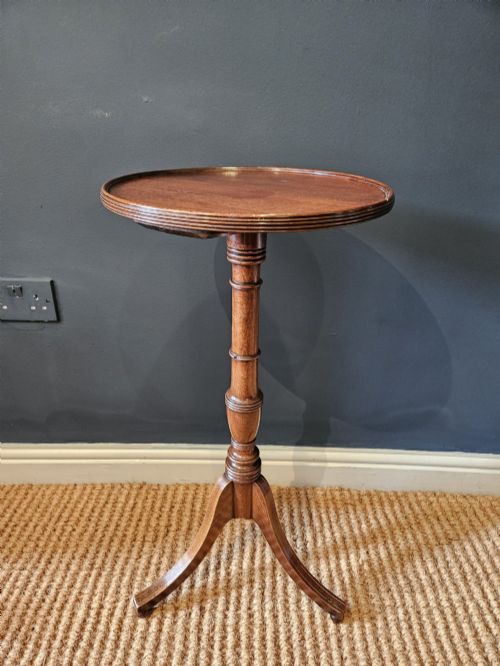
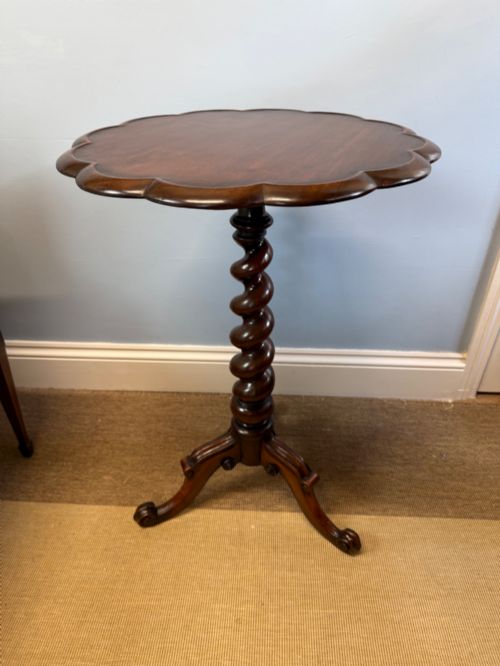
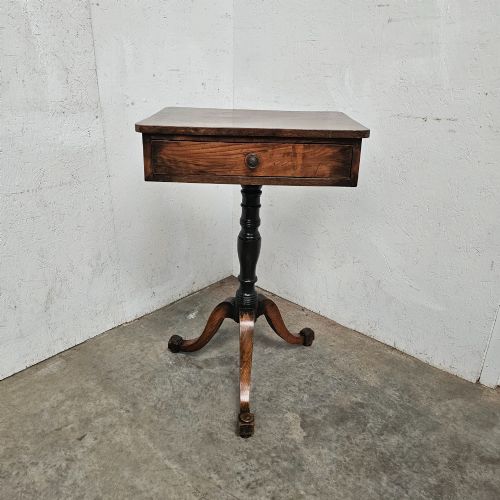
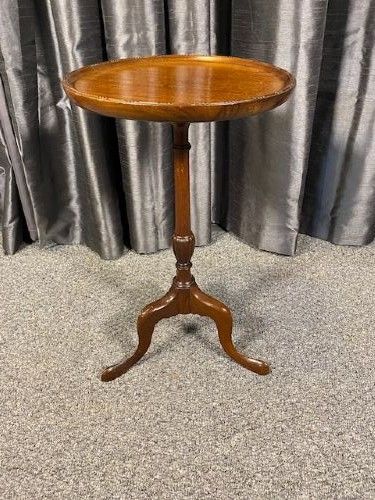
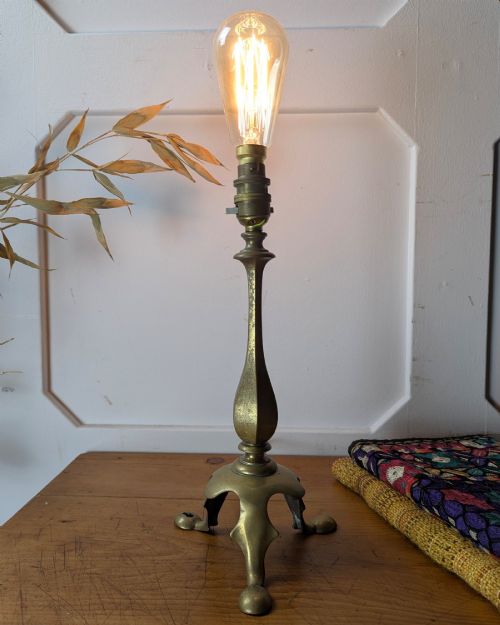
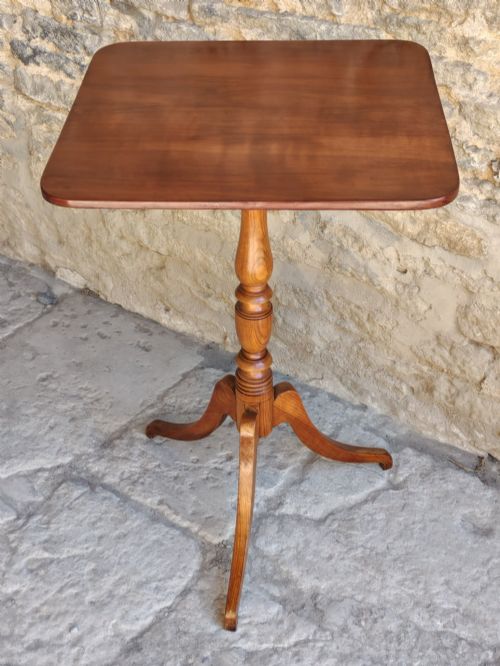
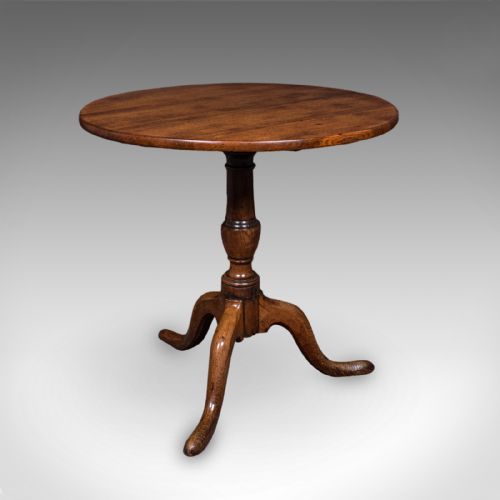
A tripod stem lamp table is a compact surface raised on a central pillar supported by three feet, designed to hold lighting and small objects without taking up floor space. When searching for a tripod stem lamp table, buyers encounter forms that span from the Georgian period through the Victorian era and into Edwardian times.
The materials range from dense hardwoods like mahogany and rosewood to local timbers including oak, elm, fruitwood, and yew wood. Many examples function equally as wine tables, candle stands, or occasional side tables.
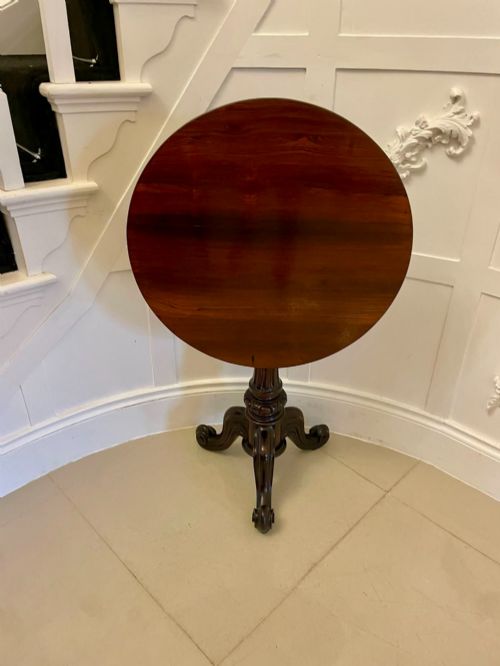
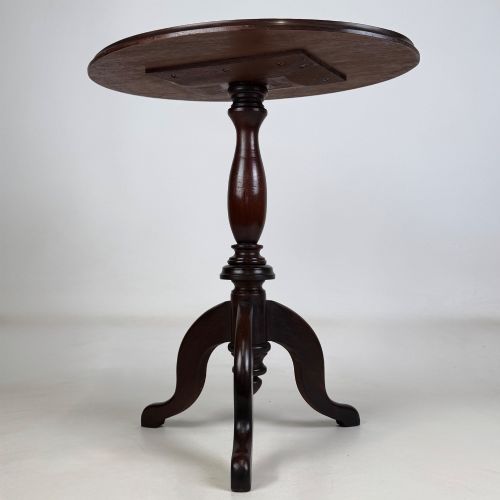
Circular tops predominate, often featuring tilt mechanisms for storage against a wall when not in use. The proportions remain modest, designed to sit beside a chair or sofa.
Assessing quality and craftsmanship
Quality rests in the selection of figured timber, such as plum pudding mahogany or figured rosewood, which shows distinct grain patterns across the top. The union between the central stem and the three legs reveals the joinery skill, where solid blocks or dovetails ensure longevity.
Top-tier examples display crisp turning on the pillar and neat proportions in the legs, avoiding heavy or clumsy feet. The movement of a tilt-top mechanism operates smoothly without excessive play in the hinge.
Tripod Stem Lamp Table Retail Price Guide 2026
Typical asking prices for tripod stem lamp table among the pieces listed under this phrase on Sellingantiques today, from the lower quarter to the upper quarter. They describe what is for sale here now, not the wider market.
Listings feature mahogany, rosewood, oak, elm, walnut, and yew wood across Georgian, Victorian, and Edwardian periods.
The Tripod Stem Lamp Table Glossary
- Tilt top
- A table surface hinged to the central pillar so it can be turned vertically when not in use. This clever mechanism saved domestic space in period rooms.
- Birdcage
- A wooden framework beneath the table top that allows the surface both to tilt and to rotate independently of the stem. It is found on better quality Georgian examples.
- Tripod base
- A support structure comprising three legs radiating from a central point for stability. It prevents rocking on uneven floorboards.
- Marquetry
- Decorative patterns formed by inserting pieces of contrasting wood into a veneered surface. This technique creates geometric or floral designs on the table top.
- Occasional table
- A small, movable table designed for a specific, transient use in a room. These pieces move easily beside seating as needed.
Tripod Stem Lamp Table: Frequently Asked Questions
How do I style a lamp table?
These compact pieces fit naturally beside armchairs, sofas, or in neglected corners. Their small footprint makes them ideal for secondary lighting.
Keep the surface uncluttered by pairing the lamp with just one small object, such as a dish or a single book, to respect the proportions of the top.
How do I date a tripod table?
Dating relies on observing timber choices, leg profiles, and construction methods. Georgian pieces often feature heavier mahogany with pad feet or snake feet, while Regency examples lean towards slender reeded pillars.
Victorian and Edwardian versions introduce varied veneers like satin birch or walnut alongside barley twist turnings.
Are these tables sturdy enough for daily use?
The three-legged design provides natural stability on level ground, though the central pillar requires care against lateral pressure. They hold lamps, drinks, and books securely.
Avoid moving the table by the top alone, particularly on tilt-top versions, and support the stem when lifting.