


Tripod Butcher Block
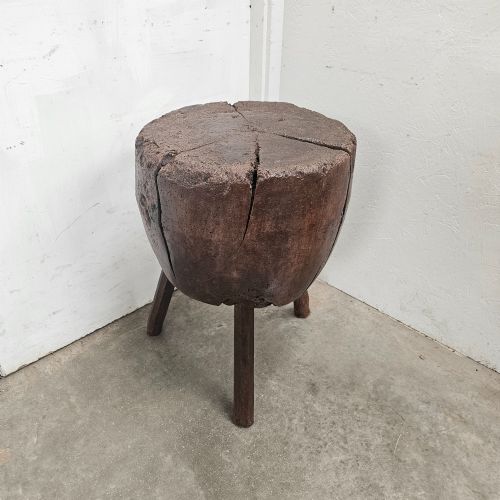
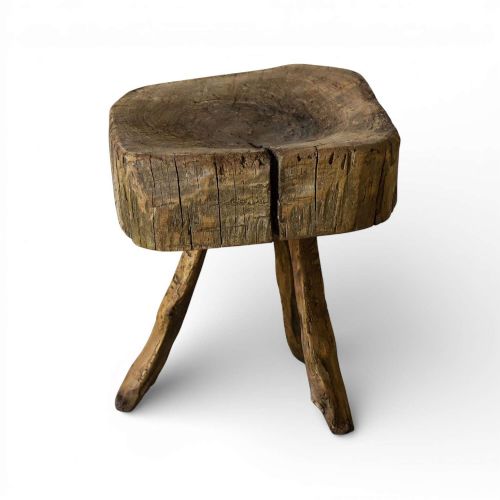
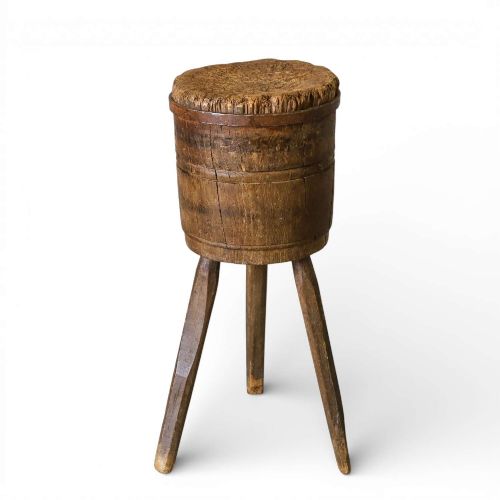
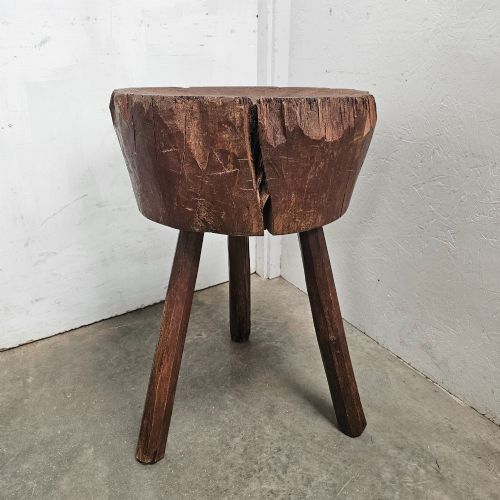
These tripod butcher block examples combine utilitarian weight with sculptural presence, offering robust surfaces shaped by generations of practical work.
Tripod Butcher Block
A tripod butcher block is a sturdy standalone chopping surface supported by three legs, built to withstand heavy daily use in kitchens and game preparation. When you search for tripod butcher block, you encounter thick end-grain timber tops mounted on sturdy wooden supports.
The pieces available here lean heavily towards European vernacular and provincial traditions, particularly French and Hungarian origins. These range from heavy game blocks to domestic chopping tables suited for kitchen or occasional side table use.
Most examples date from the nineteenth century up to the nineteen-thirties, showing honest patination derived from working environments. Forms vary from simple circular tops to substantial tree trunk sections resting on gnarled or turned wooden legs.
How they were made
Construction relies upon dense domestic hardwoods such as oak, elm, beech, and assorted heavy timbers chosen for their resistance to splitting under repeated impact. Makers joined thick sections of timber to form solid end-grain blocks capable of absorbing heavy blows from cleavers and knives.
The supporting legs are typically secured directly into the underside of the heavy block using sturdy peg or mortise joints. Many retain original metal or iron bracing and wire details that stabilise the tripod frame against lateral movement.
Several blocks proudly retain their original gnarled legs, looking ready to walk right out of the French countryside and into your kitchen.
What varies in quality
Quality rests primarily in the visual weight and organic character of the timber top combined with the honesty of the tripod base. Blocks featuring deeply grooved, heavily worn surfaces display a more compelling visual presence than sterile, uniformly flat alternatives.
The structural integrity of the three-legged base and the originality of the gnarled or turned wooden supports dictate the piece's overall balance. Examples retaining authentic surface patination and undisturbed structural joinery command greater appreciation among collectors of rustic vernacular items.
The Tripod Butcher Block Glossary
- End-grain
- Timber cut across the growth rings to provide a durable chopping surface that heals slightly under heavy impacts. This orientation prevents blades from dulling too quickly.
- Vernacular rural
- Objects designed by local craftsmen for practical utility rather than following formal academic style rules. These pieces reflect regional material availability and traditional working methods.
- Charcuterie block
- A specialised heavy chopping surface traditionally used for preparing pork and cured meats. They often show distinct surface indentation from specialised knife work.
- Game block
- A thick tree trunk section or heavy timber block utilised for dressing game birds and small animals. They typically possess a narrower, taller footprint.
- Patina
- The surface sheen and colour variation developed through decades of use, cleaning, and exposure to oils. It serves as a visual record of the object's working history.
Tripod Butcher Block: Frequently Asked Questions
What were tripod butcher blocks used for?
These blocks served as stable, heavy-duty surfaces for butchering meat, chopping vegetables, and preparing game in domestic kitchens and rural shops. Their three-legged design ensured they remained steady on uneven stone or timber floors.
Over time, many transitioned from working agricultural environments into domestic spaces, functioning as distinctive kitchen islands or side tables.
How do I clean and maintain a vintage block?
Maintenance requires gentle cleaning with warm water and mild soap, avoiding harsh detergents that strip natural oils from the historic timber. Dry the surface thoroughly immediately after washing to prevent moisture damage.
Periodically treating the hardwood with food-safe mineral oil helps preserve the grain and prevents excessive drying without altering the honest surface character.
Are these blocks suitable for modern food preparation?
Many buyers continue to use these solid timber blocks for food preparation, provided the surface has been properly cleaned and conditioned. The thick end-grain construction remains exceptionally kind to knife blades.
Collectors should balance the desire for daily kitchen utility against the preservation of historic patination and surface wear accumulated over centuries.
How do I identify the age of a piece?
Dating relies on examining tool marks, timber selection, construction methods, and the nature of any iron or metal fixings. Nineteenth-century examples often display hand-hewn surfaces and pegged joinery distinct from later industrial production.
The degree of natural wear, shrinking of the timber, and depth of the accumulated patina also provide reliable indicators of age.