



Tripod Bistro Table
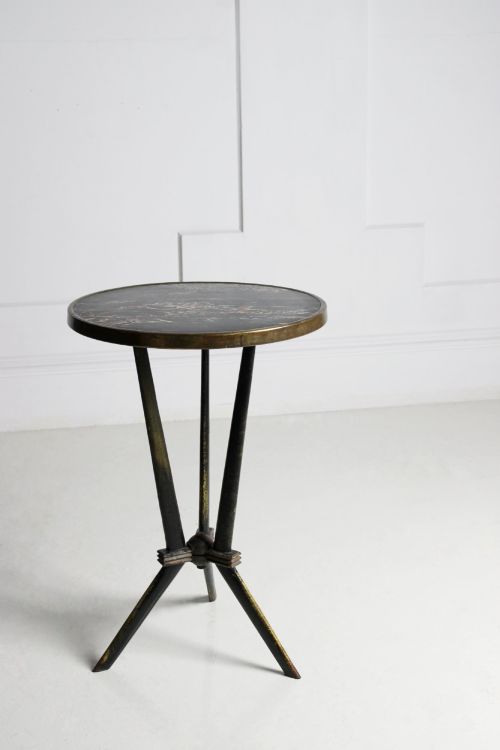
These tripod bistro table pieces are robust cast iron and wooden café furniture designed for compact dining, offering immediate period character to a room.
Tripod Bistro Table
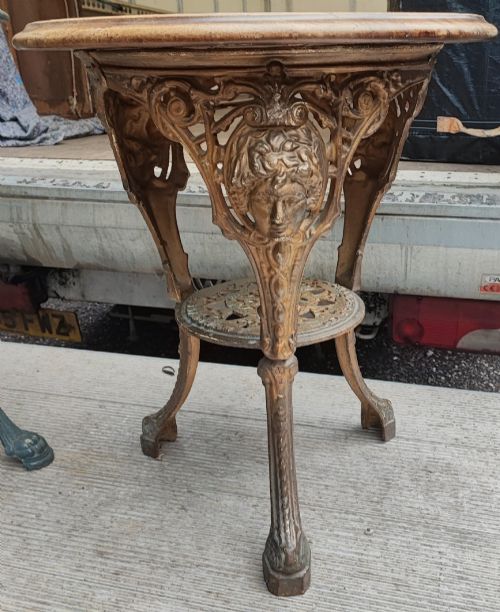
When you search for a tripod bistro table, you are looking at small utility tables designed for hospitality and domestic use, most commonly appearing here as Victorian cast iron pub tables and early twentieth-century French café pieces.
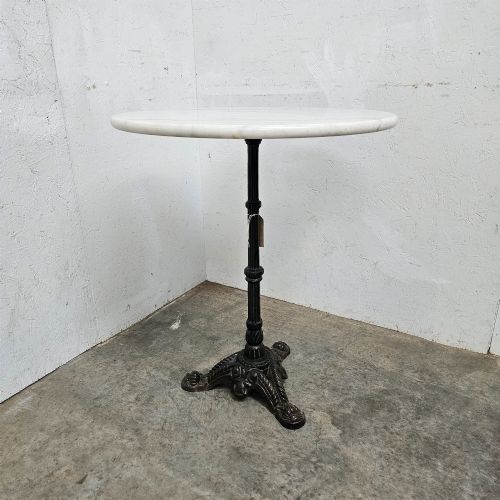
The selection on this page leans heavily towards sturdy cast iron bases paired with marble, wood, or metal tops, functioning as garden tables, occasional tables, or compact side tables.
Originating from British and continental traditions, these pieces span the Victorian era, the nineteenth century, and early twentieth-century periods like 1900, 1910, and 1920.
How they were made
Construction relies heavily on durable cast iron or wrought iron for the central pedestal bases, frequently featuring decorative scroll work or classical Britannia designs to provide stable support.
French industrial and provincial workshops combined these metal foundations with stone or timber surfaces designed to withstand heavy daily use in public houses and outdoor cafes.
Tripod Bistro Table Retail Price Guide 2026
Typical asking prices for tripod bistro table among the pieces listed under this phrase on Sellingantiques today, from the lower quarter to the upper quarter. They describe what is for sale here now, not the wider market.
Pub tables often show distinct circular ring marks on their wooden tops from decades of spilled stout and earnest conversation.
What varies in quality
Quality rests in the crispness of the cast iron ornamentation and the integrity of the original materials, where authentic period marble tops and untouched mahogany surfaces elevate a piece above standard utility items.
The harmony between the base and the top determines overall proportion and balance, distinguishing thoughtful workshop creation from later assembled combinations.
The Tripod Bistro Table Glossary
- Cast iron
- A strong, heavy alloy poured into moulds to create intricate base designs. It provides the weighted foundation necessary for steady three-legged furniture.
- Pedestal table
- A freestanding table supported by a single central column rather than four corner legs. This design maximises legroom in tight spaces.
- Bistro table
- A small café table traditionally used in tight spaces for dining or socialising. These pieces are typically lightweight enough to move easily between indoor and outdoor settings.
- Britannia metal
- A specific type of pewter alloy often associated with pub table manufacturing. It yields a bright, silver-like appearance when polished.
Tripod Bistro Table: Frequently Asked Questions
Where were these tables used?
These tables served primarily in nineteenth-century public houses, commercial cafes, and domestic gardens where space was at a premium. Their compact footprints made them ideal for rapid seating arrangements.
They also appeared in provincial homes as occasional or side tables for daily domestic tasks and informal dining.
How do I clean a marble top?
Marble surfaces require gentle wiping with warm water and a neutral, non-abrasive soap to preserve the stone. Avoid harsh acidic cleaners that can etch the polish.
Regular drying prevents water marks and maintains the natural lustre of the vintage stone.
Are these tables suitable outdoors?
Many examples featuring cast iron bases and marble or metal tops were originally designed for garden and café terrace use. They handle outdoor placement well if protected from standing moisture.
Wooden top variants benefit from sheltered storage during harsh winter months to prevent timber degradation.
How do I date a cast iron base?
Dating relies on stylistic clues within the scroll work, foundry marks, and the method of assembly between the column and the feet. Victorian and nineteenth-century pieces often exhibit deeper relief casting.
Comparing the casting sharpness with documented period catalogues helps narrow down the decade of production.