


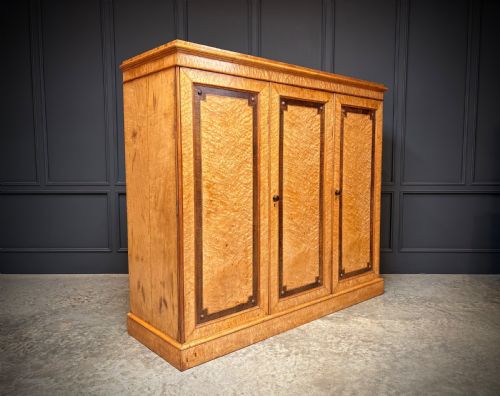


Triple Door Cabinet
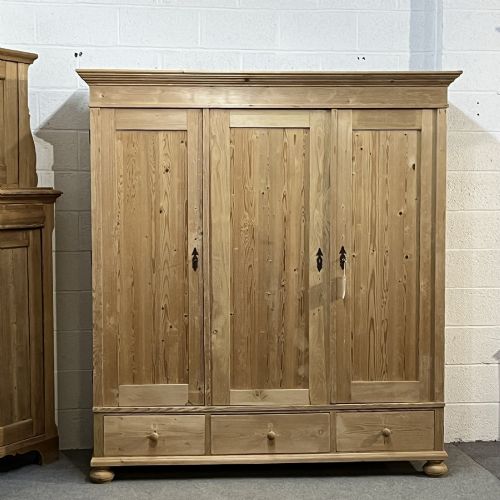
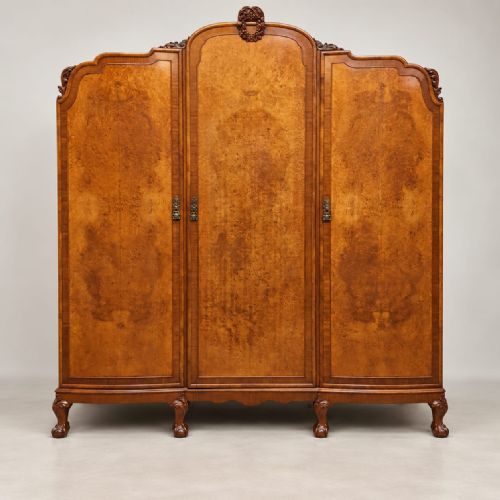
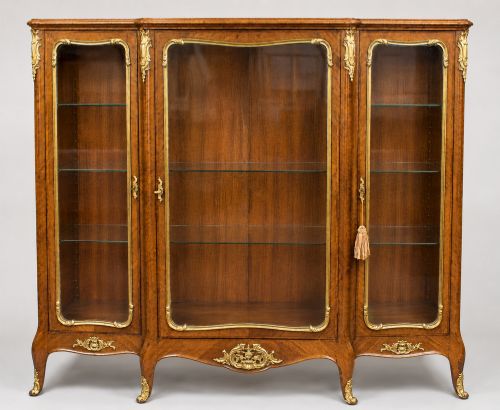
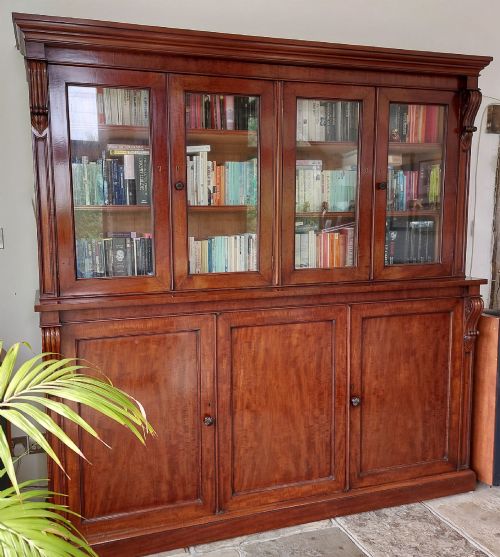
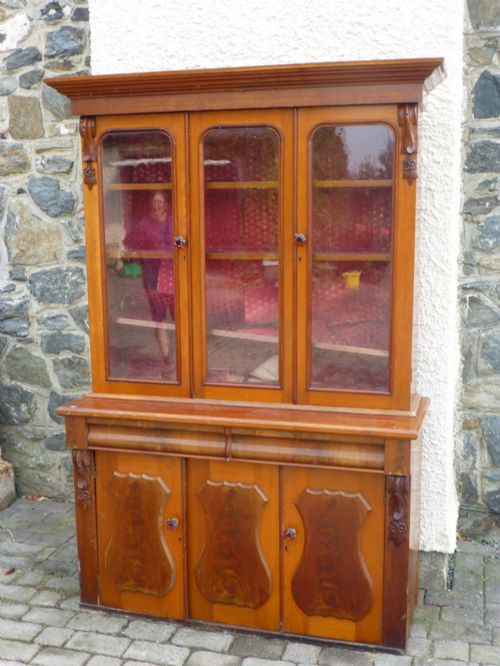
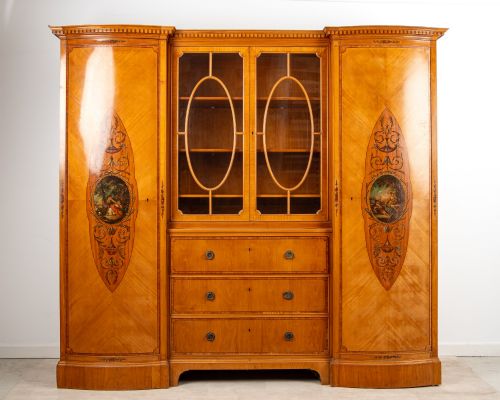
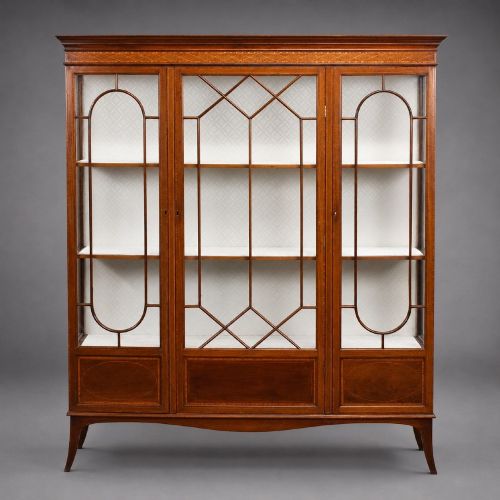
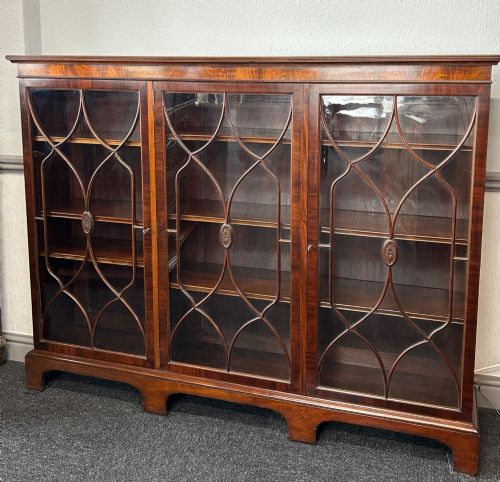
These triple door cabinet pieces, spanning large wardrobes to glazed bookcases, provide substantial storage through three distinct vertical sections.
Triple Door Cabinet
A triple door cabinet gives you a commanding piece of furniture designed for serious storage, most commonly seen here as large wardrobes, compactums, and extensive bookcases. These grand pieces span the nineteenth century, the Edwardian era, and the nineteen-twenties, reflecting the architectural domestic tastes of those periods.
Origin formats vary from English mahogany and oak examples to French pieces employing kingwood and ormolu mounts. The sheer scale of these items means they tend to dominate a room, serving as both storage and focal points.
Materials and Construction
Makers built these large carcasses using sturdy primary timbers like mahogany and oak, applying decorative veneers such as burr walnut, satinwood, and kingwood to prominent surfaces. Brass hardware, ormolu mounts, and hand-painted panels frequently finish the exterior details.
Glazing techniques allow certain cabinets to function as display pieces or bookcases, while mirrors inset into central wardrobe doors become standard by the Victorian and Edwardian periods. Inlaid marquetry and polished finishes demonstrate the joinery standards of workshops ranging from vernacular Welsh makers to London firms.
Triple Door Cabinet Retail Price Guide 2026
Typical asking prices for triple door cabinet among the pieces listed under this phrase on Sellingantiques today, from the lower quarter to the upper quarter. They describe what is for sale here now, not the wider market.
Listings feature woods like mahogany, oak, burr walnut, and satinwood across the nineteenth and early twentieth centuries.
Quality Variations
The distinction between standard utility storage and superior cabinet-making rests in the selection of timber veneers and the crispness of inlaid details. Burr walnut and figured satinwood demand expert handling, whereas plain mahogany represents a more straightforward construction.
Makers such as Maples and Co., Wylie and Lochhead, and Edwards and Roberts demonstrate a higher tier of craftsmanship through signed or stamped mounts, refined proportions, and balanced breakfront configurations. Simpler vernacular pieces rely on local woods like oak and mahogany without elaborate bronze mounts or hand-painted panels.
Maples and Co.·Wylie and Lochhead·Edwards and Roberts
The Triple Door Cabinet Glossary
- Compactum
- A multi-compartment wardrobe combining hanging space, sliding trays, and drawers within a single large carcass. These functional pieces maximise internal storage behind three or more doors.
- Breakfront
- A cabinet design where the central section projects forward from the flanking bays. This architectural arrangement adds depth and visual rhythm to large bookcases and wardrobes.
- Ormolu
- Gilded bronze mounts applied to furniture for decorative enrichment, common in French cabinet-making. They catch the light and highlight the corners of fine display cabinets.
- Marquetry
- Decorative patterns created by fitting different wood veneers into a prepared surface. This skilled technique produces intricate floral or geometric designs across cabinet doors.
- Vitrine
- A glass-fronted display cabinet designed to showcase porcelain, books, or curiosities. The extensive glazing keeps dust away while offering maximum visibility.
Triple Door Cabinet: Frequently Asked Questions
What rooms suit a triple door cabinet?
These large pieces fit spacious bedrooms, studies, or libraries where their substantial footprint and height can be accommodated properly. Their multi-bay design makes them ideal for organising extensive wardrobes or book collections.
Ensure you measure ceiling height and floor space carefully before placement, as these grand items rarely suit small or low-ceilinged rooms.
How do I date a cabinet?
Examine the primary timbers, the style of the hardware, and construction methods such as dovetailing in the drawers. Victorian and Edwardian examples often feature machine-sawn components and plate glass mirrors, while earlier nineteenth-century pieces show hand-finished joinery.
Stylistic cues like Chinoiserie revival painting or Art Deco geometric lines further narrow down the manufacturing decade.
What is the difference between a wardrobe and a compactum?
A standard wardrobe focuses primarily on full-length hanging space behind its doors, sometimes with a single drawer at the base. A compactum integrates internal linen presses, sliding trays, and multiple drawers alongside the hanging compartments.
This makes compactums far more versatile for general clothing storage without needing separate chest of drawers.