



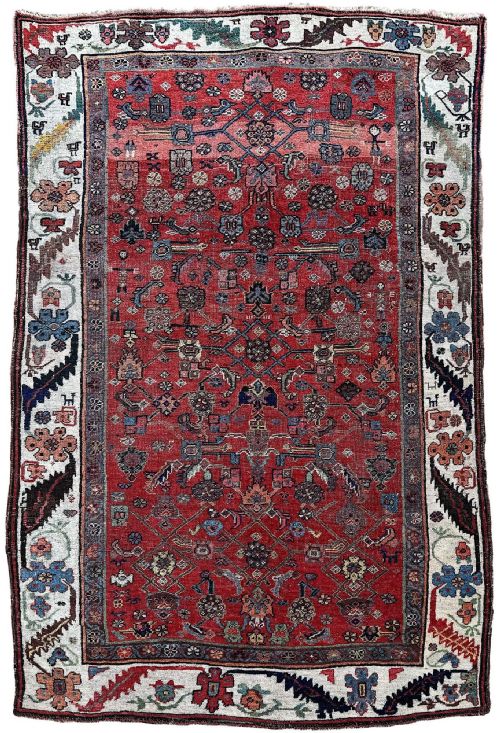
Tribal Wool Persian Rug
A tribal wool persian rug brings village and nomadic hand-knotted textiles into modern interiors.
Tribal Wool Persian Rug
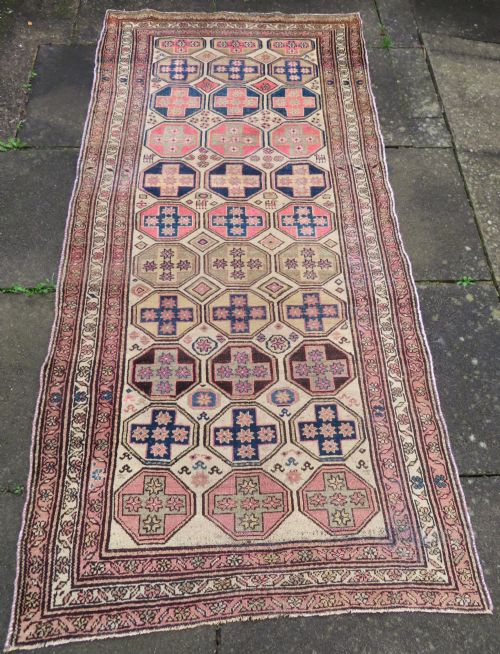
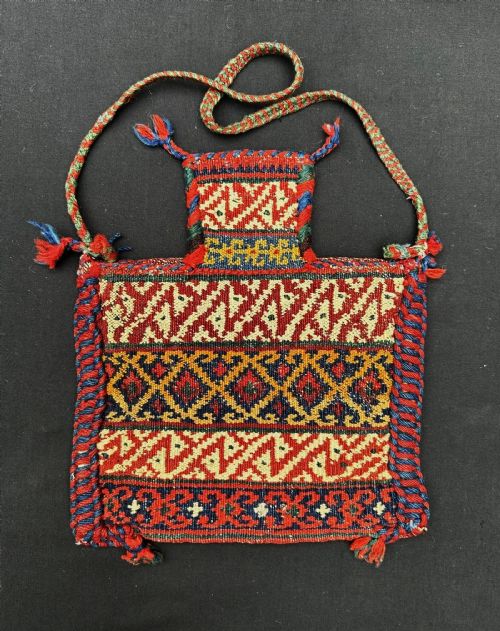
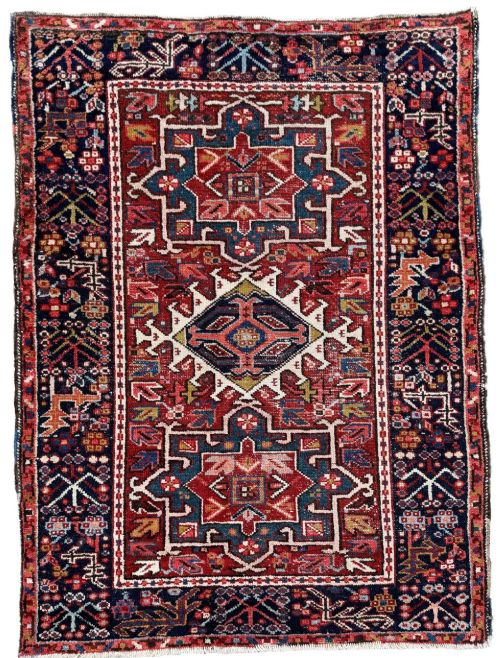
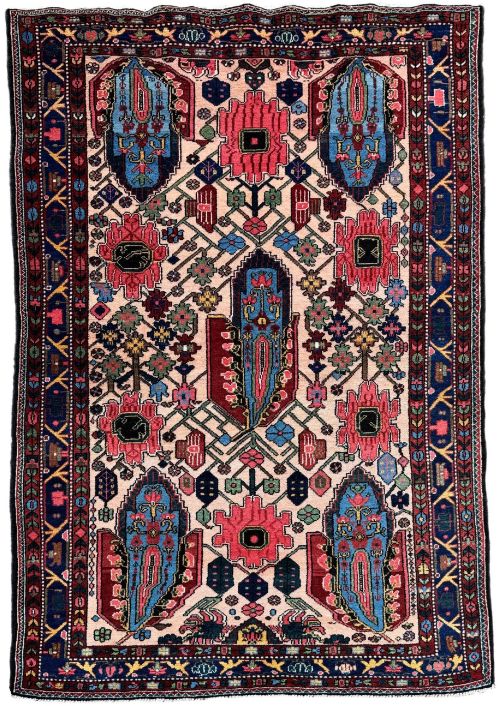
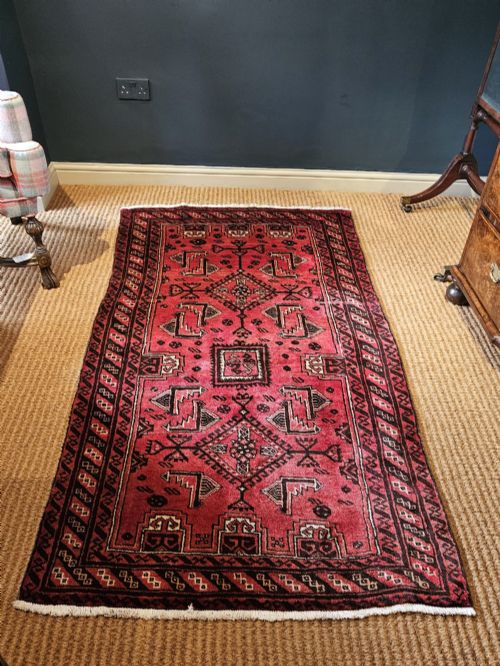
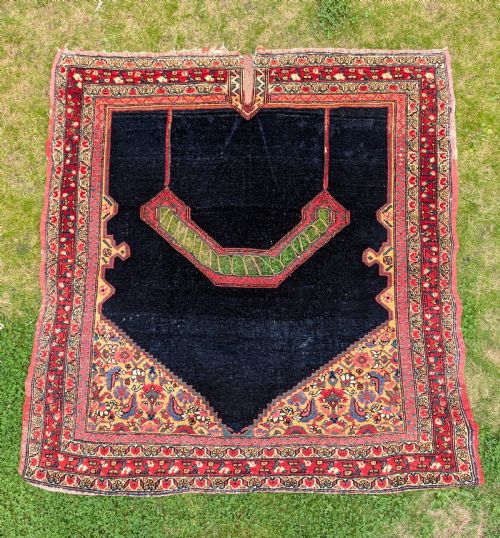
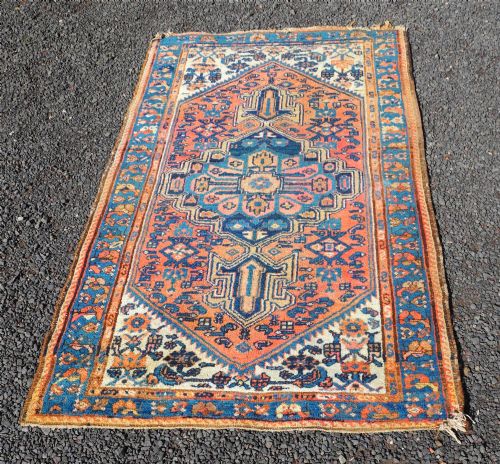
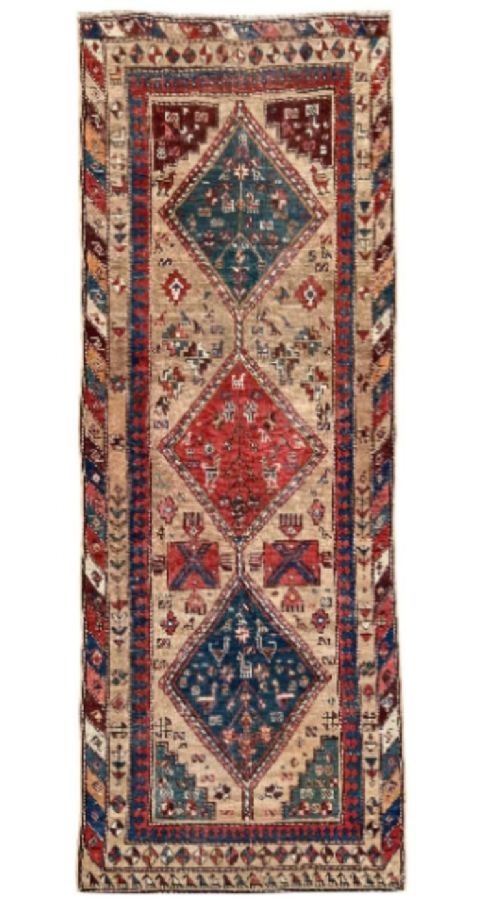
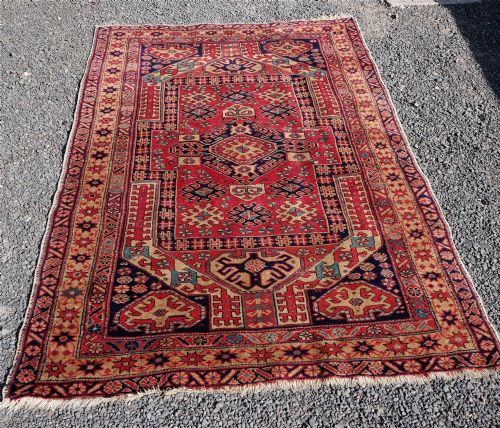
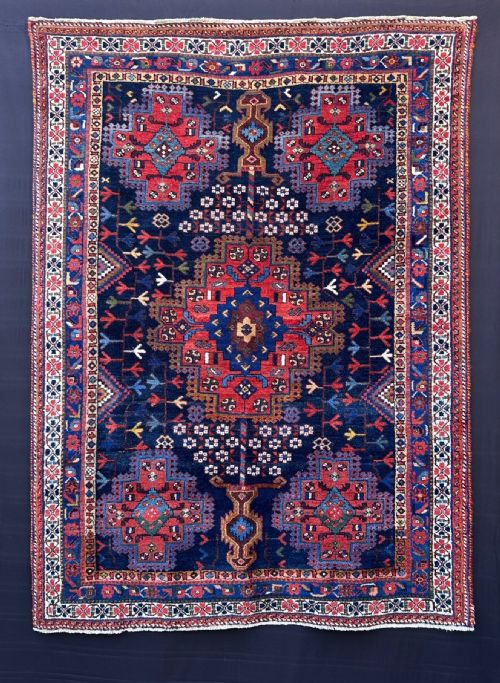
A tribal wool persian rug represents the woven output of nomadic groups and village weavers across Persia and surrounding borderlands. These pieces encompass area rugs, runners, carpets, saddle covers, and utility bags produced from the nineteenth century into the mid-twentieth century.
The objects gathered under a tribal wool persian rug search phrase include distinct regional groups such as the Afshar, Bakhtiar, Bidjar, Hamadan, Karaja, Kashgai, Khamseh, Kurdish, Lori, and Senneh. Forms range from compact hearth-sized mats and saddle bag cushions to substantial hallway runners and room-sized carpets.
Makers utilised traditional village formats and nomadic designs, incorporating motifs handed down through generations rather than urban workshop cartoons. The material palette relies heavily on wool and cotton foundations coupled with natural dyes.
Materials and Construction
Weavers relied on hand-spun wool for the pile and structure, combined with cotton foundations in many village pieces. This wool contains natural lanolin which contributes to durability and surface sheen.
Natural dyes provide the characteristic colour palette, yielding deep tones of red, olive green, and warm neutrals that mellow over time. Hand-knotting techniques secure the pile firmly to the warp and weft threads.
The inventory spans the nineteenth century through the 1960s, including area rugs, runners, and saddle bags.
Assessing Quality and Execution
Knot density and structural tightness vary across these textiles, influencing how crisply geometric or curvilinear motifs are rendered. Tighter packing of the weft creates a firmer, heavier handle in the finished cloth.
The subtlety and depth of natural dyes distinguish finer examples, as does the consistency of hand-spun wool throughout the pile. Well-executed pieces display balanced proportions within the border systems and field designs.
The Tribal Wool Persian Rug Glossary
- Gul
- A repeated octagonal or medallion-like motif often found in tribal and nomadic carpets. These geometric emblems frequently identify specific tribal groups.
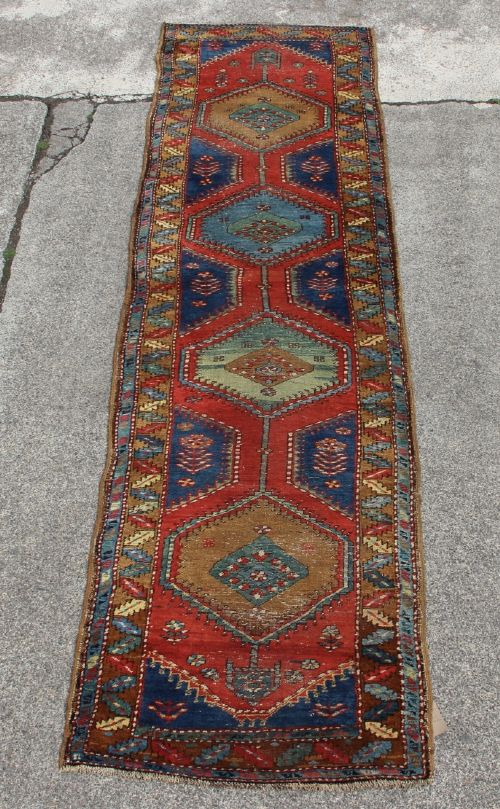
- Runner
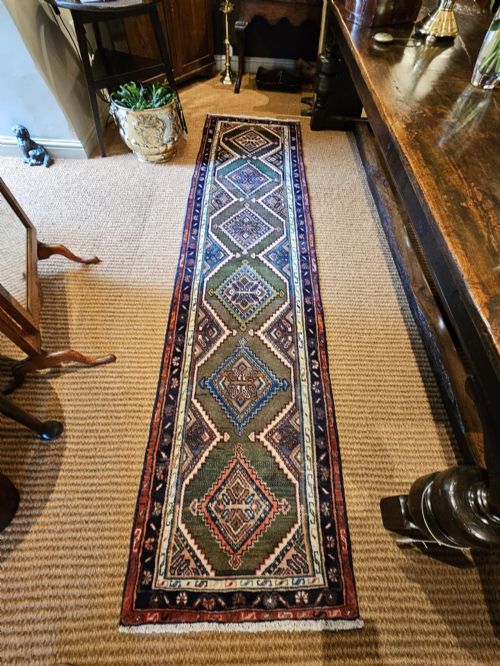
- A long, narrow carpet format designed for hallways, corridors, or alongside furniture. These pieces measure significantly longer than they are wide.
- Kilim
- A flat-woven textile produced without a pile by tightly interweaving warp and weft threads. These function as versatile floor coverings and light coverlets.
- Warp
- The vertical foundation threads stretched lengthwise on the loom before knotting begins. The visible ends of these threads often form the fringe.
- Weft
- The horizontal threads passed across the warp strands after each row of knots to bind the structure together. Multiple shots of weft keep the pile upright and secure.
Tribal Wool Persian Rug: Frequently Asked Questions
How do I clean a tribal wool persian rug?
Regular gentle vacuuming without a beater bar removes loose dirt from the wool pile safely.
Professional specialist cleaning is recommended for deeper maintenance to protect natural dyes and hand-spun fibres.
Where were these tribal rugs originally made?
Weavers produced these textiles in nomadic camps, rural villages, and provincial regions across Persia and adjacent borderlands.
Specific areas include the Kerman province, Kurdish districts, and various tribal territories across the region.
What is the difference between a runner and a carpet?
Runners feature an elongated, narrow format intended specifically for hallways, corridors, and narrow spaces.
Carpets provide larger square or rectangular surfaces designed to anchor seating areas and main rooms.
Can I use these rugs in high-traffic hallways?
Durable wool construction and sturdy hand-knotting make many runner and carpet formats suitable for busy household corridors.
Underlay helps prevent slipping and cushions the natural fibres against premature wear on hard floors.