




Persian Woven Floor Carpet
A persian woven floor carpet brings enduring character to a room, offering rich regional designs and time-worn textiles built for daily use.
Persian Woven Floor Carpet
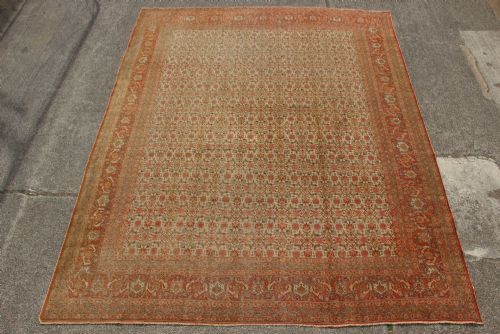
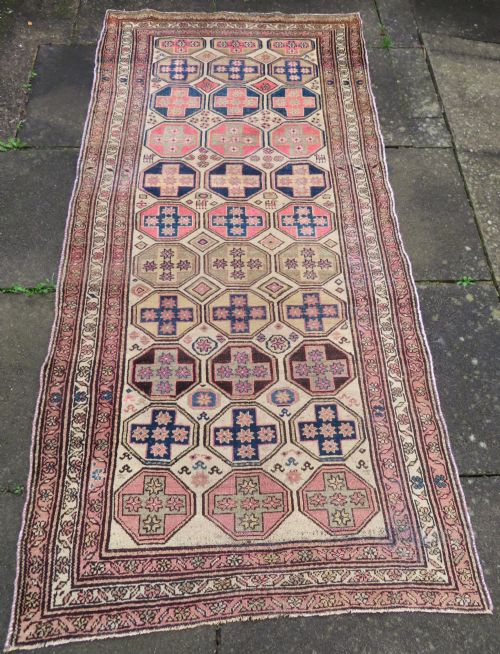
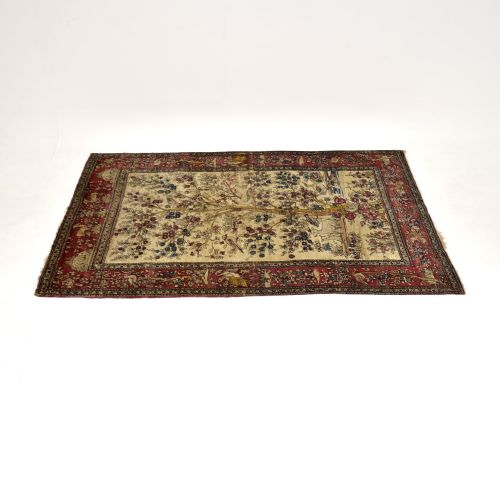
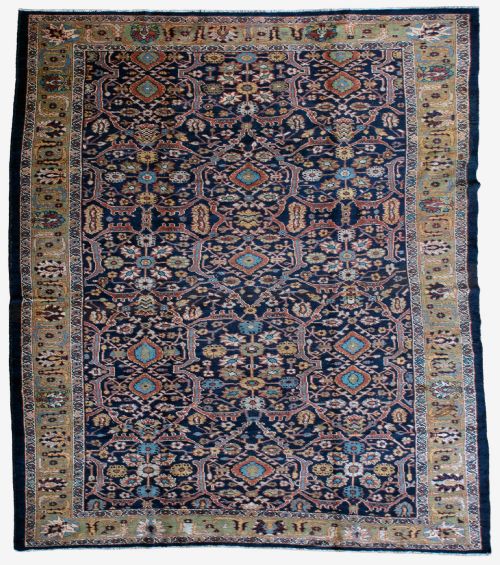
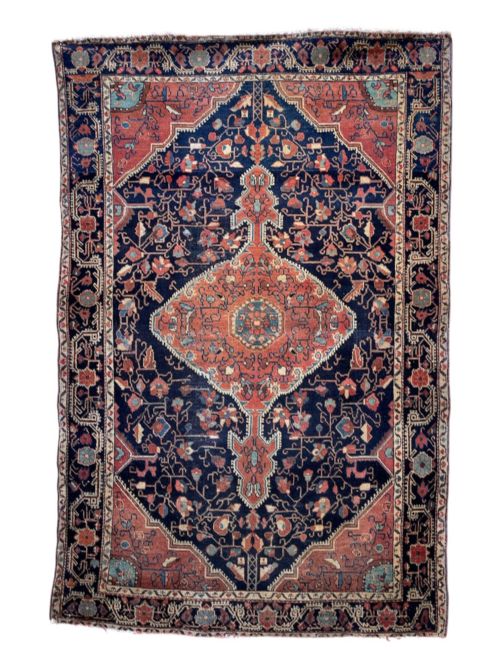
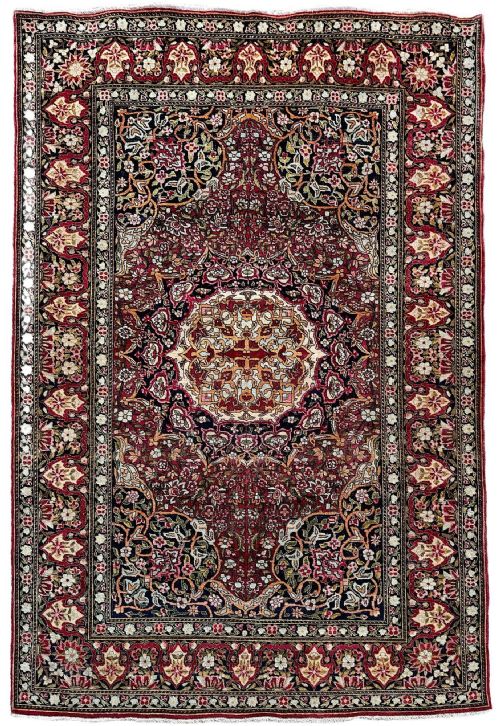
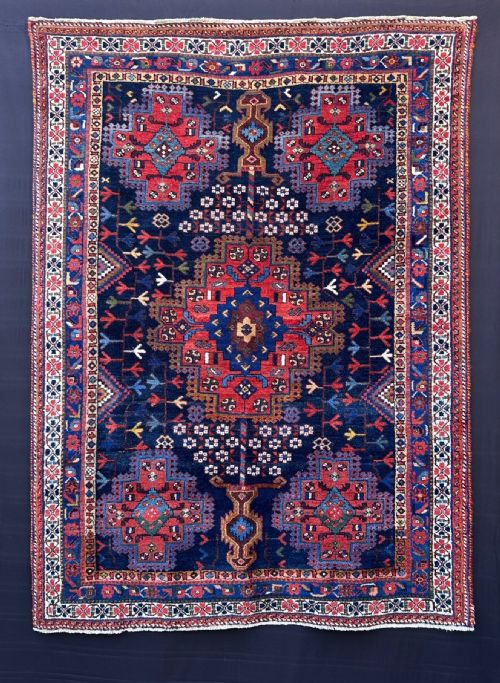
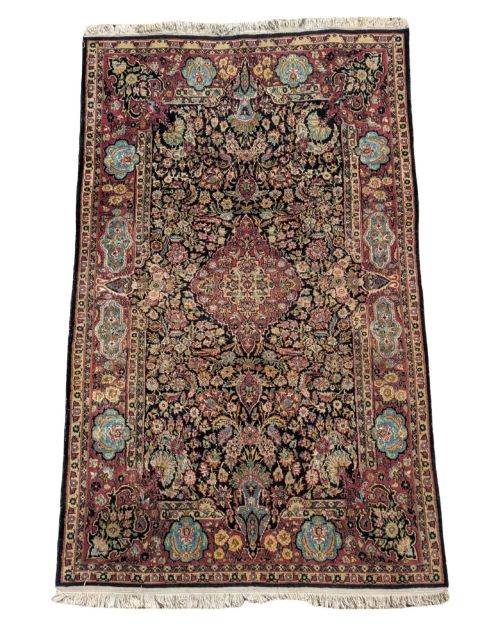
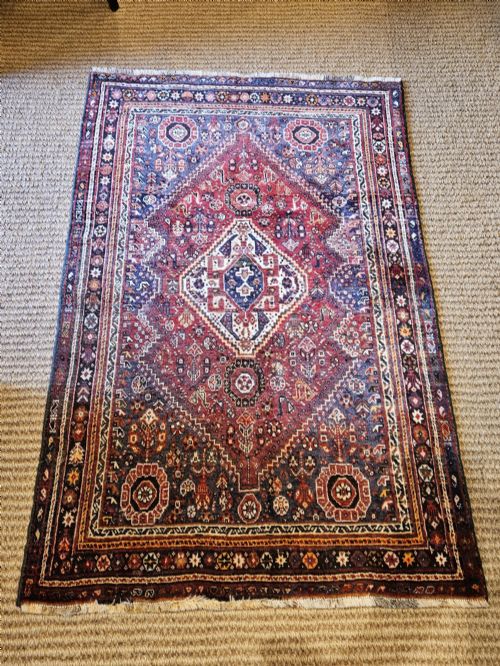
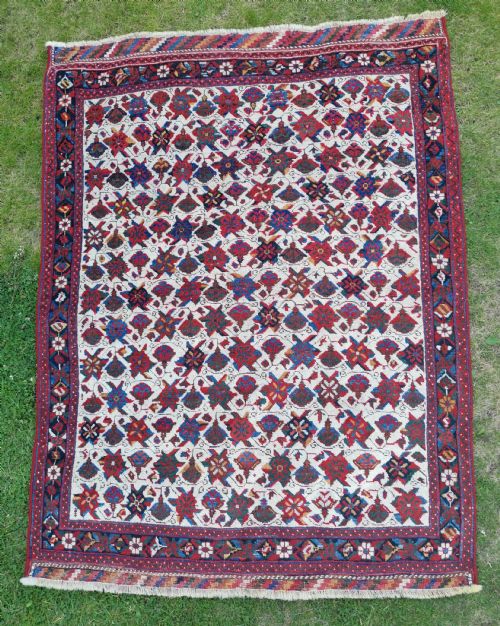
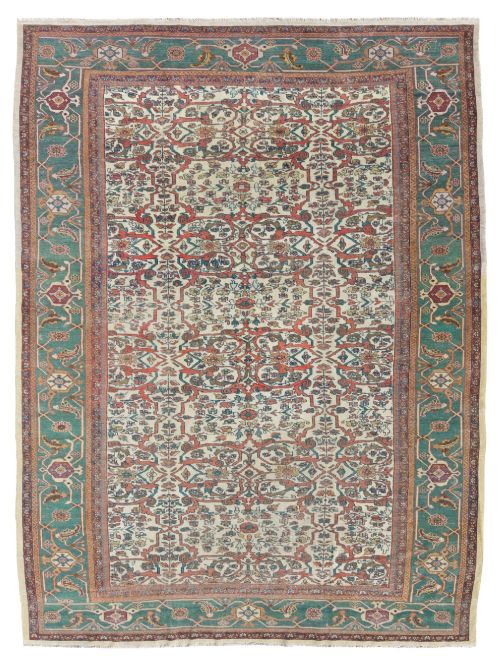
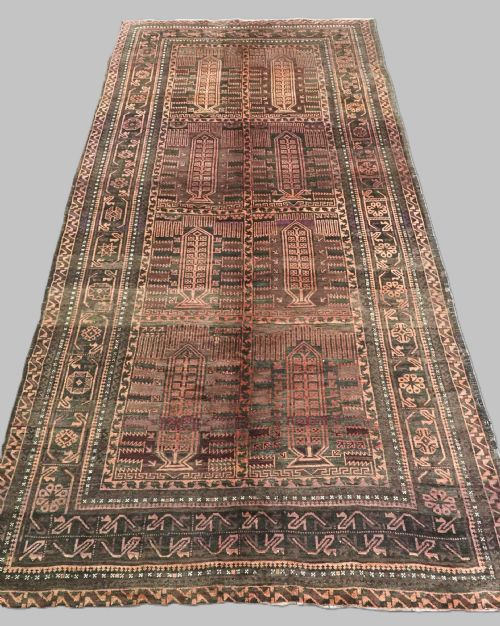
A persian woven floor carpet encompasses large room-sized carpets, smaller area rugs, and long hallway runners created across various towns, villages, and tribal regions. The pieces available span from the mid-nineteenth century through the early twentieth century, capturing diverse local weaving traditions.
Buyers frequently encounter room-scale Heriz, Saroukh, and Sultanabad carpets alongside village pieces like Hamadan, Bakhtiar, and Afshar rugs. Each origin brings distinct medallion layouts, overall floral patterns, or geometric tribal motifs unique to its district.
Formats range from compact scatter rugs measuring around one to two metres to substantial carpets exceeding four metres in length. This variety allows collectors to fit specific interior spaces, whether dressing a broad floor or lining a narrow passage.
Materials and construction methods
Weavers built these carpets using a foundation of durable cotton warps andwefts, or occasionally wool in nomadic pieces, which provided structural stability for heavy floor placement. Hand-knotted pile construction formed the dense surface, securing each tuft by hand to withstand generations of foot traffic.
The pile itself relies predominantly on hand-spun sheep wool, prized for natural lanolin content and resilience under daily pressure. Selected examples incorporate silk highlights or are woven entirely in silk to yield finer detail and a lustrous sheen.
Current listings demonstrate a broad chronological spread, featuring nineteenth-century tribal pieces alongside structured twentieth-century room carpets.
Distinctions in quality and execution
Quality rests heavily on knot density, precision of line, and the depth of saturation achieved by natural dye stuffs. Finer pieces demonstrate tight, uniform knotting on the reverse, allowing intricate curves and complex medallion structures to render sharply.
The stability of the wool foundation and the balance of the wool pile dictate how gracefully a carpet ages under heavy use. Superior examples maintain structural integrity and supple handle even when surface wear reveals an honest history of domestic service.
The Persian Woven Floor Carpet Glossary
- Warp
- The vertical threads stretched tightly on the loom that form the skeletal foundation of the carpet. Fringe ends typically consist of these exposed warp threads.
- Weft
- The horizontal threads passed across the warps between rows of knots to bind the structure together. They stabilize the width of the woven textile.
- Pile
- The dense surface layer of upright wool or silk ends created by individual knots. Its height and density determine the plushness and durability of the carpet.
- Medallion
- A large central ornamental design motif placed in the middle of the field. Many traditional room carpets anchor their symmetrical patterns around this focal shape.
- Heriz
- A style originating from north-west Persia known for bold geometric medallions and robust structural wool. These carpets suit active living spaces due to their sturdy build.
Persian Woven Floor Carpet: Frequently Asked Questions
How do I choose the right size?
Measure the room dimensions carefully, ensuring the rug leaves an appropriate perimeter of bare floor or sits comfortably beneath furniture legs. Larger rooms benefit from room-sized Heriz or Sultanabad carpets, while hallways call for specific runner formats.
Consider how doors open and close over the pile height. Thicker village rugs require adequate clearance from interior door swings.
Are these carpets suitable for heavy traffic?
Traditional wool pile construction on cotton foundations provides exceptional durability for busy hallways and living areas. Dense nomadic and village weaving traditions were originally designed for rigorous domestic use.
Regular rotation distributes wear evenly across the surface. Proper underlays prevent sliding and protect the foundation threads from abrasive subfloors.
How do I identify different regional styles?
Regional types exhibit distinct visual traits, such as the bold geometric corners of Heriz carpets or the fine curvilinear florals of Tabriz and Isfahan weaving. Tribal pieces like Afshar and Baluch often display repeated motifs and earthy palettes.
Examining the weave structure, fringe finish, and secondary colours helps pinpoint the specific province or confederacy of origin. Comparing known patterns aids in attributing age and district accurately.
What is the difference between village and city rugs?
City workshops like Tabriz, Kashan, and Isfahan employed master designers to produce highly refined, symmetrical floral compositions with exceptional knot counts. These pieces reflect formal aesthetic standards and precise execution.
Village and tribal carpets, including Bakhtiar, Hamadan, and Kurdish pieces, relied on memory and local tradition rather than strict paper cartoons. This results in charming variations, spontaneous colour shifts, and robust geometric designs.