






Tribal Weaving Art
When you search for tribal weaving art, you enter a world of nomadic textiles, bags, and wall hangings crafted by tribal weavers across Persia, Central Asia, and Africa.
Tribal Weaving Art
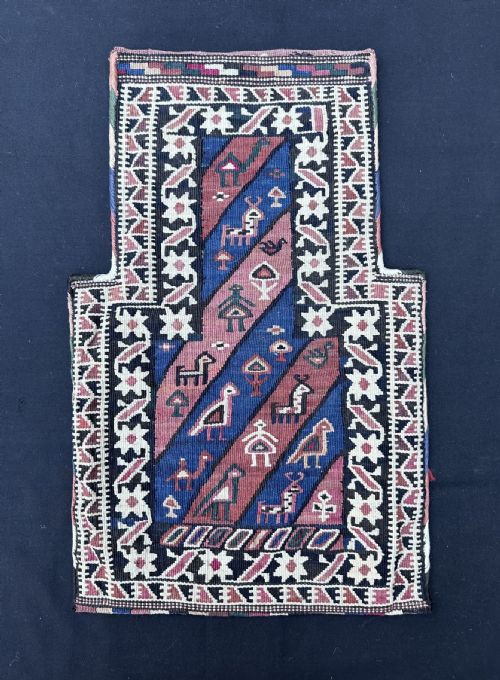
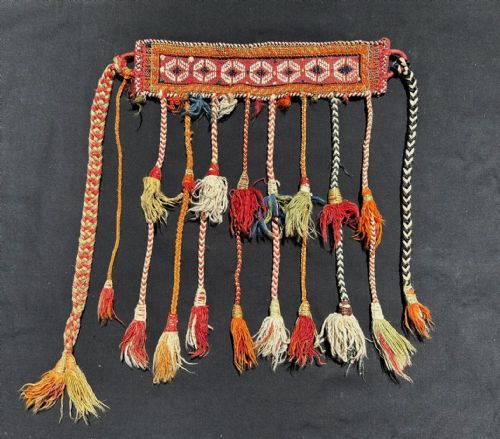
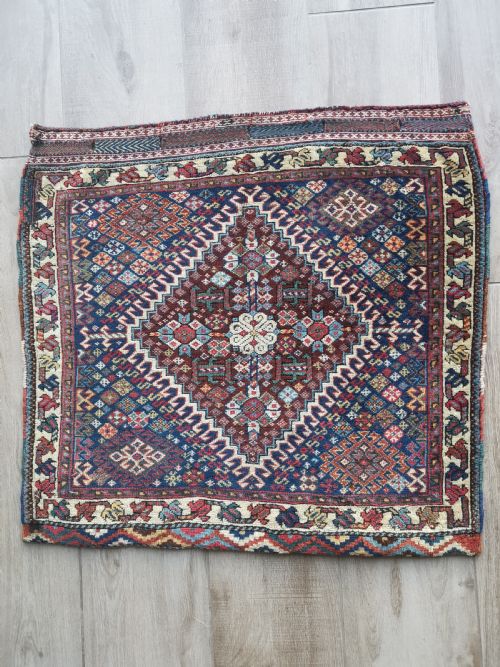
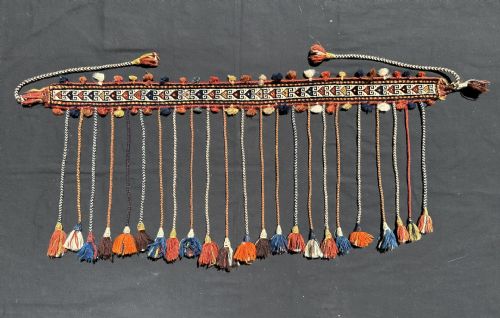
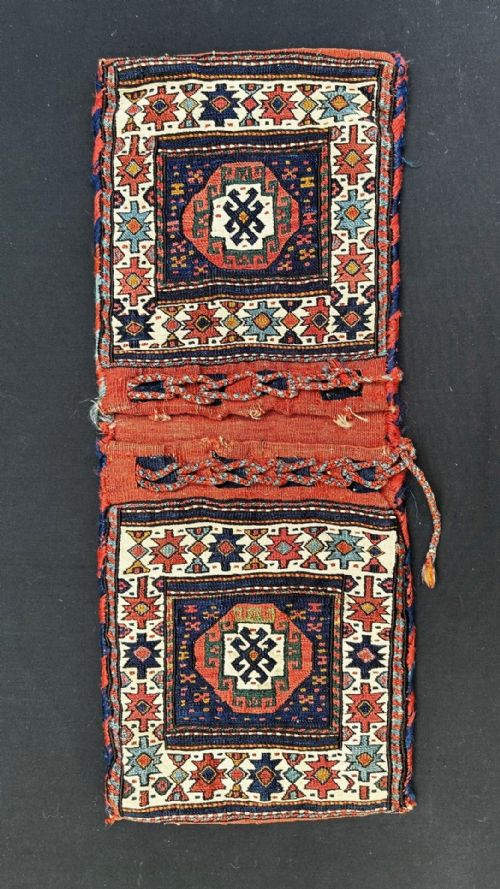
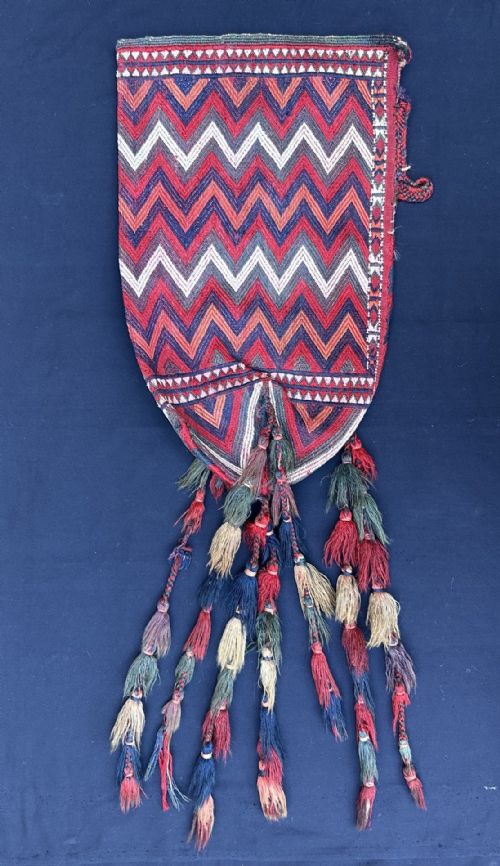
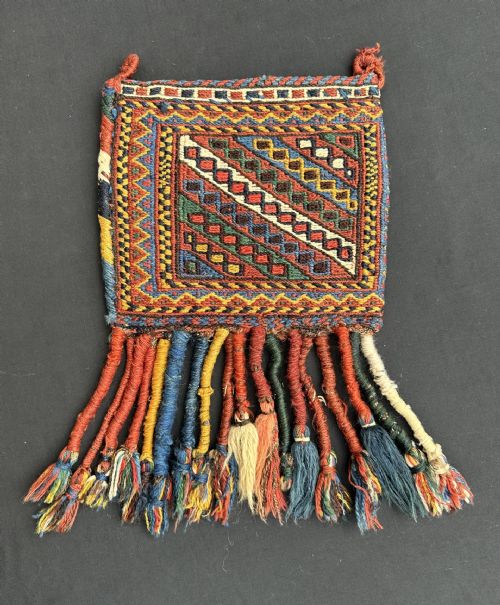
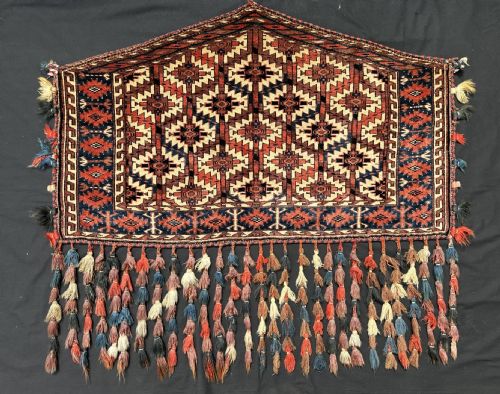
Tribal weaving art covers a diverse range of nomadic and village textiles, including utilitarian storage pouches, salt-bags, saddle-bags, torbas, and wall-mounted decorative pieces. These items originate predominantly from Persian, Central Asian, and Caucasian tribal groups during the nineteenth and early twentieth centuries.
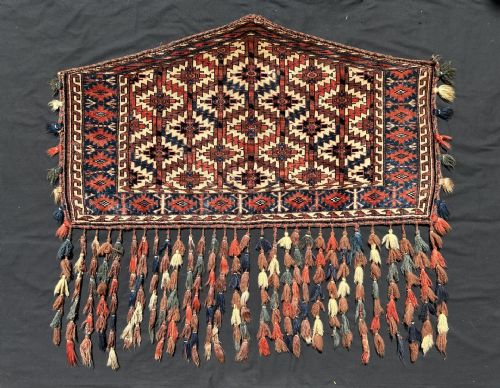
Buyers will most frequently encounter Turkmen torbas, Qashqai bagfaces, and Afshar salt-bags when browsing these listings. Each piece reflects the specific utilitarian needs and distinctive tribal motifs of weavers living across the steppes, mountains, and provinces of the Near East.
The selection ranges from smaller domestic items like spindle-bags and cradle covers to larger asmalyks and flatweave textiles. Their survival demonstrates both the utility of nomadic craftsmanship and the enduring appeal of traditional patterns.
Materials and construction methods
Makers relied primarily on hand-spun wool and cotton foundations, often embellished with natural dyes derived from local plants and minerals. Silk highlights appear on specific regional pieces to add contrast and texture to the woollen pile or flatweave ground.
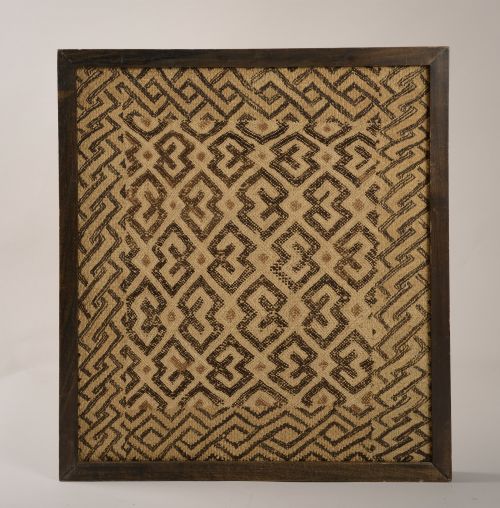
Techniques varied from standard pile knotting to specialised flatweave constructions like soumak work and banded designs. Artisans also integrated wood, leather, and raffia into specific utilitarian objects such as cradles, busts, and storage items.
Tribal Weaving Art Retail Price Guide 2026
Typical asking prices for tribal weaving art among the pieces listed under this phrase on Sellingantiques today, from the lower quarter to the upper quarter. They describe what is for sale here now, not the wider market.
Materials documented across the inventory include hand-spun wool, cotton, silk highlights, natural dyes, wood, leather, and raffia.
Distinguishing quality in nomadic weaving
Quality rests heavily on the crispness of the tribal drawing, the saturation and depth of the natural dyes, and the fineness of the knotting or weave. Pieces that maintain structural integrity alongside vibrant, unfaded colour palettes stand apart from more pedestrian examples.
The complexity of the tribal iconography and the preservation of original borders, backs, and finishings dictate the standing of an item. Superior examples exhibit exceptional wool quality and meticulous execution in their secondary structures.
The Tribal Weaving Art Glossary
- Torba
- A small Turkmen wall-pocket or storage bag traditionally used in nomadic tents for holding household goods. These items frequently display characteristic gul motifs and secondary guls.
- Asmalyk
- A large, often pentagonal camel trapping produced by Turkmen tribes, notably the Yomut, for wedding processions. They were displayed on the flanks of the bridal camel.
- Soumak
- A flatweave textile technique involving wrap-faced work where coloured weft threads are wrapped over and under the warp threads. This method creates a durable surface with a braided appearance on the face.
- Sofreh
- A flatwoven or pile-woven cloth used primarily for eating meals upon or for handling and storing bread dough among nomadic communities. They often feature minimalist geometric field designs.
- Chanteh
- A small woven personal bag or vanity pouch used by nomads for carrying small belongings. These pieces showcase concentrated tribal patterns in miniature formats.
Tribal Weaving Art: Frequently Asked Questions
What were tribal bags used for?
Nomadic groups utilised these woven pouches for practical storage inside tents, carrying salt, utensils, bread, and personal items during seasonal migrations.
Larger bags also served decorative functions during ceremonies, functioning as camel decorations or dowry components within the tribal community.
How do I identify a Yomut weaving?
Yomut pieces from the Trans-Caspian steppes often feature distinctive hooked guls, diamond lattice layouts, and deep madder red colour grounds.
Look for specific formats such as asmalyks, torbas, and spindle-bags bearing characteristic minor ornaments and plain weave backs.
Are natural dyes easy to spot?
Natural dyes present a rich, complex tonal variation known as abrash, where colour shades shift subtly across the woollen field.
These vegetable and mineral colorants age gracefully, retaining depth and harmony over decades of exposure and use.
How should I display a textile?
Smaller bags and fragments work well mounted on linen or framed behind glass to protect the delicate hand-spun wool and cotton foundations.
Larger flatweaves and wall hangings can be hung using non-damaging sleeve methods that distribute the weight evenly across the top edge.