




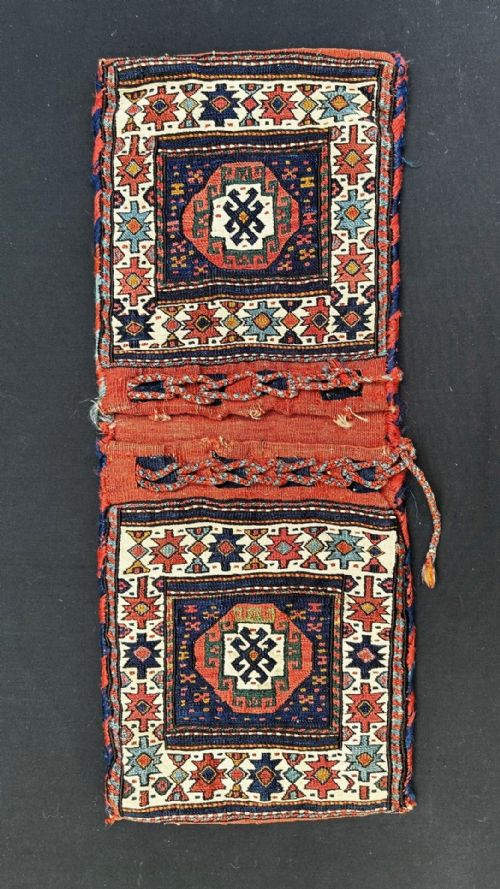
Tribal Weave Pouch
When you examine a tribal weave pouch, you hold a functional container born from nomadic life across Persia, Afghanistan, and Central Asia.
Tribal Weave Pouch
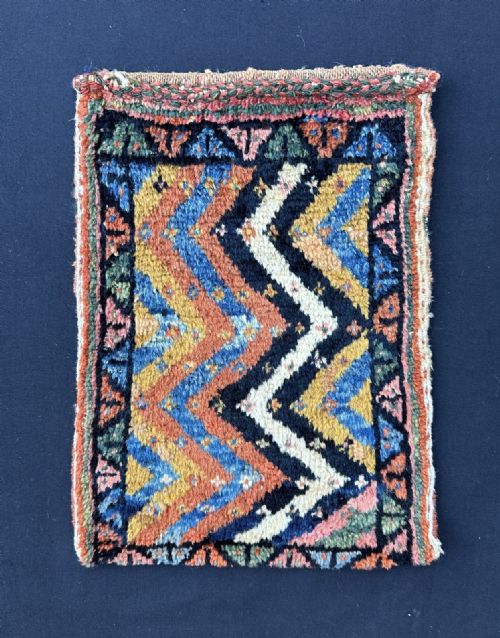
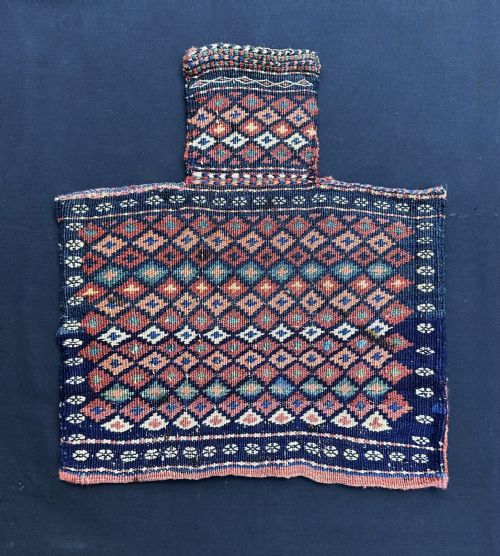
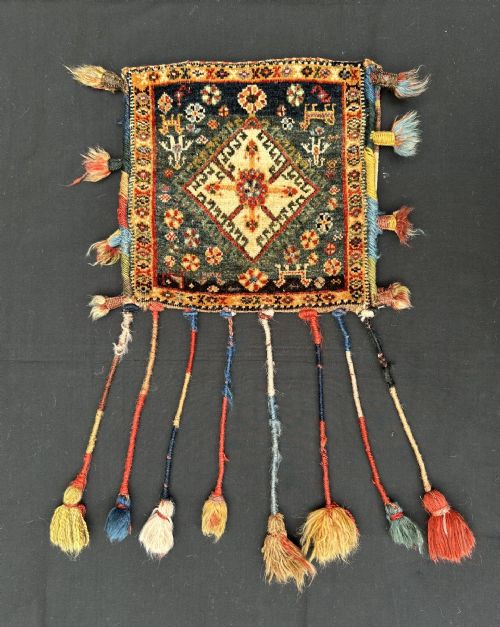
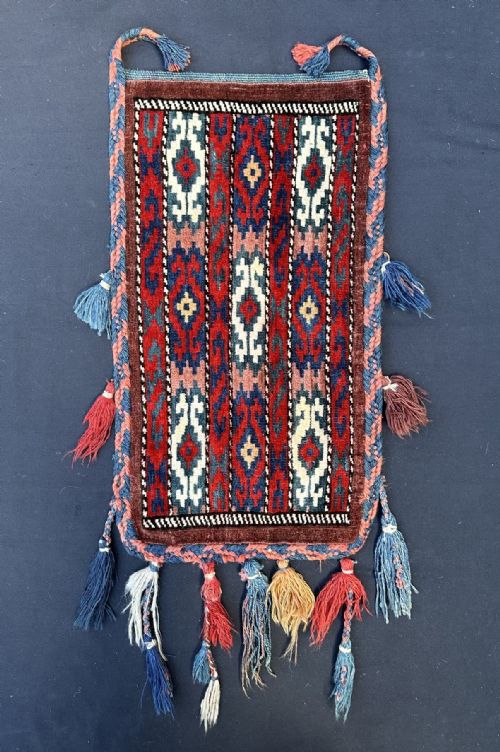
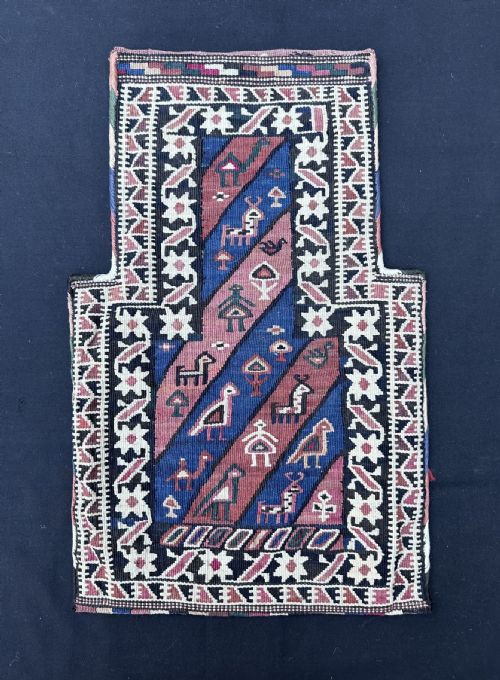
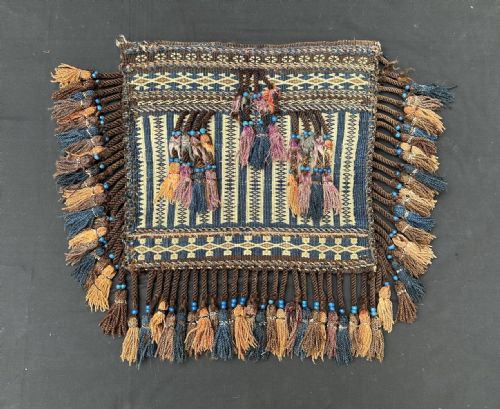
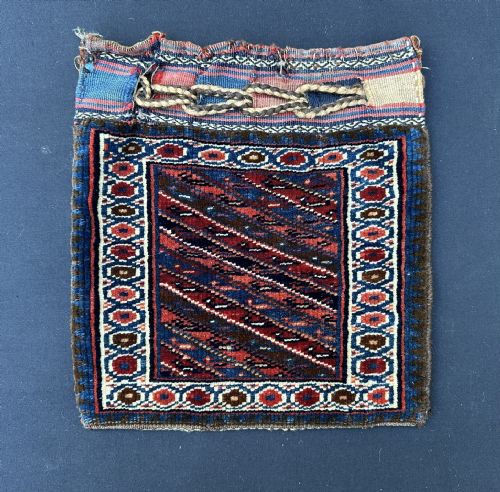
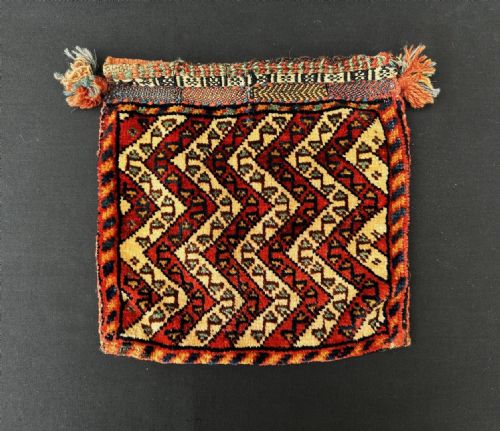
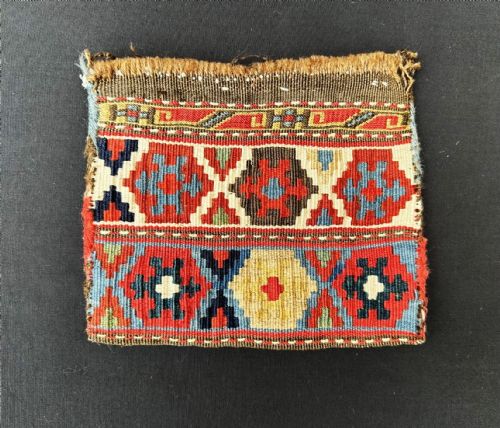
A tribal weave pouch encompasses small utilitarian containers made by nomadic and village groups, including salt bags, vanity bags, and spindle bags. These items served daily practical functions within tribal households and pastoral camps.
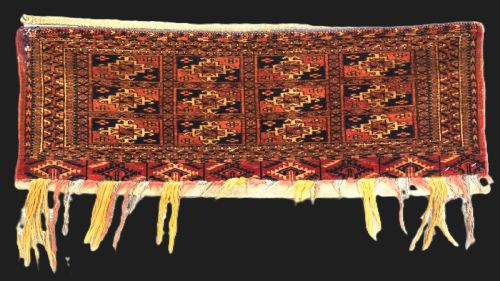
The pieces on this page originate from nineteenth and early twentieth-century nomadic confederacies and tribes such as the Qashqai, Afshar, Baluch, Shahsevan, and Turkmen. Each group produced distinctive formats adapted to their specific domestic and travel needs.
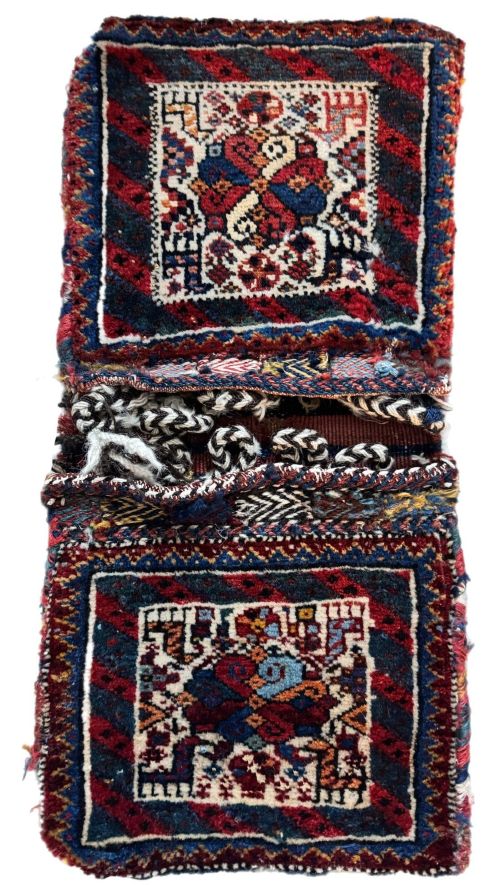
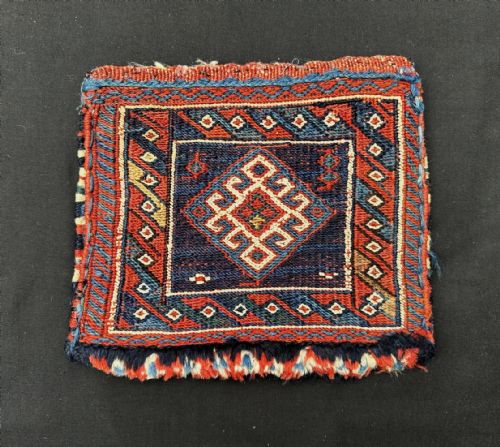
Forms range from small chantehs and spoon bags to torbas and saddle bags. Collectors encounter various regional structures bearing specific tribal iconography handed down through generations.
Assessing quality and execution
Quality rests in the precision of the weave, the handling of natural dyes, and the crispness of the tribal motifs. Tighter knotting or more complex flat-weave structures demand greater skill from the artisan.
Completeness also influences the piece, as examples retaining their original plain weave backs or paired components command high regard. The integrity of the structure and the vibrancy of the hand-spun wool indicate superior workshop standards.
Tribal Weave Pouch Retail Price Guide 2026
Typical asking prices for tribal weave pouch among the pieces listed under this phrase on Sellingantiques today, from the lower quarter to the upper quarter. They describe what is for sale here now, not the wider market.
Listings feature items dated across the nineteenth and early twentieth centuries, spanning periods from 1850 to 1920.
The Tribal Weave Pouch Glossary
- Chanteh
- A small tribal vanity bag or container used by nomads for personal items. These pieces frequently display intricate front face designs.
- Torba
- A wide tent-bag used for storage within a yurt or nomadic dwelling. They often feature prominent gul motifs across the face.
- Soumak
- A flat-weave technique where working threads wrap over the warp beams before passing back, creating a textured surface resembling braids. This method provides extra durability to utility bags.
- Gul
- A medallion pattern or repeating octagonal motif used extensively by Turkmen and Central Asian tribes. Each design often identifies a specific tribal group.
- Khorjin
- A saddle bag designed to be thrown over pack animals during migration. They typically occur as paired compartments linked by a central web.
Tribal Weave Pouch: Frequently Asked Questions
What were these bags used for?
Nomadic groups used these containers to store salt, spindle tools, vanity items, or personal possessions during seasonal migrations and daily camp life. Their compact sizes suited transport on animals or hanging inside tents.
Specific formats like salt bags and spoon bags fulfilled precise domestic tasks within the tribal household, reflecting the practical needs of rural life.
How do I tell different tribal designs apart?
Tribal attribution relies on specific structural formats, colour palettes, and recurring geometric motifs associated with particular confederacies like the Qashqai or Shahsevan. Regional weaving centres and nomadic groups maintained distinct visual traditions.
Examining the border arrangements and secondary filler ornaments helps clarify whether a piece originates from Baluch, Afshar, or Turkmen workshops.
How should I display a pouch at home?
These textiles adapt well to wall hanging using custom mountings that distribute weight evenly across the upper edge. Proper support prevents distortion of the wool and cotton structure over time.
Keep pieces away from direct sunlight to protect natural dye colours from fading. Gentle rotation or low-humidity environments help preserve the fibres.
Are these items authentic antiques?
The listings on this page date from the nineteenth and early twentieth centuries, reflecting traditional nomadic production methods before widespread synthetic dyes. Materials like hand-spun wool and natural colorants confirm their period manufacture.
Construction details such as soumak work and original plain weave backs corroborate the historical origins of each container.