




Tribal Wall Decor
Tribal wall decor brings together textiles, carvings and metalwork from Central Asian, African and Middle Eastern traditions.
Tribal Wall Decor
Tribal wall decor covers textiles, carvings and metal objects created by nomadic and indigenous groups across Central Asia, Africa and North Africa. When exploring tribal wall decor, buyers encounter woven wall hangings, embroidered dowry pieces, carved wooden guardians and decorative shields from the nineteenth and early twentieth centuries.
The selections on this page lean heavily towards Central Asian nomadic weaving and African sculptural work. Pieces range from Uzbek silk embroideries and Turkmen tent bands to Kuba raffia tapestries and Gabon reliquary figures.
Functional items such as vanity bags, spindle bags and tent trappings often find a second life as decorative wall displays. These textiles and artefacts bring texture, history and pattern into domestic interiors through diverse cultural traditions.
Materials and construction
Makers utilised natural materials including wool, silk, cotton, raffia, wood, steel, copper and brass. Textiles often feature hand-spun wool and silk threads dyed with natural colourants, mounted on woven grounds or displayed as framed tapestries.
Carved wooden objects and metalwork demonstrate traditional hand-tooling techniques. Wooden sculptures and shields combine carved timber with metal elements, while textiles employ intricate embroidery stitches and flat-weave structures.
Tribal Wall Decor Retail Price Guide 2026
Typical asking prices for tribal wall decor among the pieces listed under this phrase on Sellingantiques today, from the lower quarter to the upper quarter. They describe what is for sale here now, not the wider market.
Listings span periods from 1870 to 1940, incorporating wool, silk, wood, steel, copper and raffia across Central Asian, African and North African styles.
Distinctions in quality
Quality rests upon the fineness of the handwork, the complexity of the design and the preservation of natural materials. Finely worked embroidery stitches and tightly structured weaves represent superior technical skill.
The integrity of natural dyes and the survival of original grounds elevate the status of textile pieces. Sculptural works and metal artefacts show distinction through the precision of the carving and the balance of the form.
The Tribal Wall Decor Glossary
- Suzani
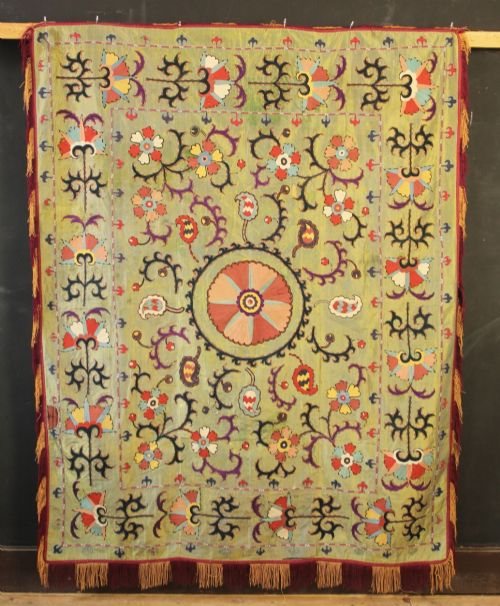
- A type of embroidered tribal hanging originating from Central Asia, often worked in silk on a cotton or wool ground. These pieces served as decorative elements in nomadic and village homes.
- Kuba cloth
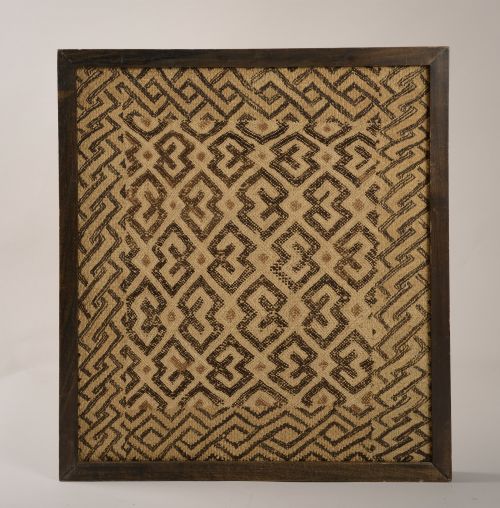
- A textile woven from raffia palm fibre by the Kuba people of Central Africa, known for geometric cut-pile designs and earthy tones. Framed examples are common in decorative wall displays.
- Tent band
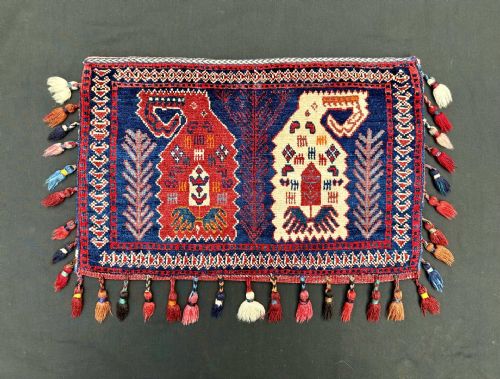
- A long, narrow woven strip produced by nomadic groups such as the Yomut Turkmen to secure yurt structures. Their intricate patterns make them striking vertical wall hangings.
- Reliquary guardian
- A carved wooden figure placed near ancestral remains by groups such as the Mahongwe in Gabon. These sculptural pieces often incorporate metal sheeting to catch the light.
- Uut kap ilgich
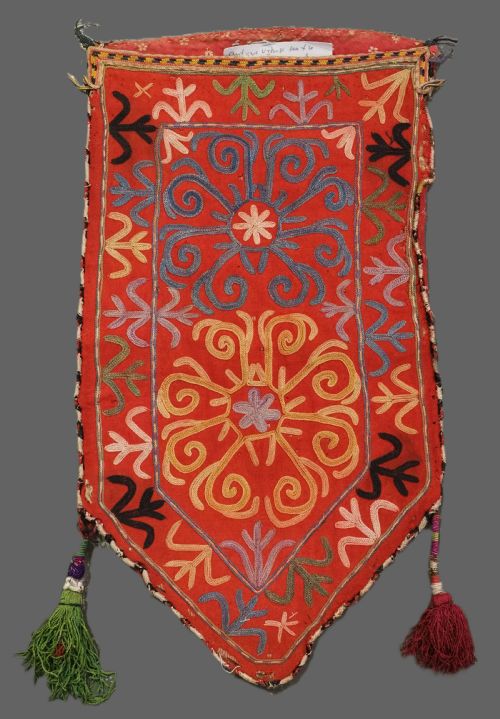
- A specific form of dowry embroidery produced by Uzbek Lakai tribes for interior wall display. They feature vibrant silk embroidery on coloured wool grounds.
Tribal Wall Decor: Frequently Asked Questions
How do I hang antique textiles safely?
Mounting heavy or delicate textiles requires careful weight distribution to avoid stressing the fibres. Stitching a cotton sleeve to the back allows a padded wooden batten to support the piece evenly.
Direct sunlight fades natural dyes over time, so positioning displays away from bright windows preserves the colours. Professional framing with conservation glass offers further protection for smaller embroideries and tapestries.
What is the difference between an ilgich and a suzani?
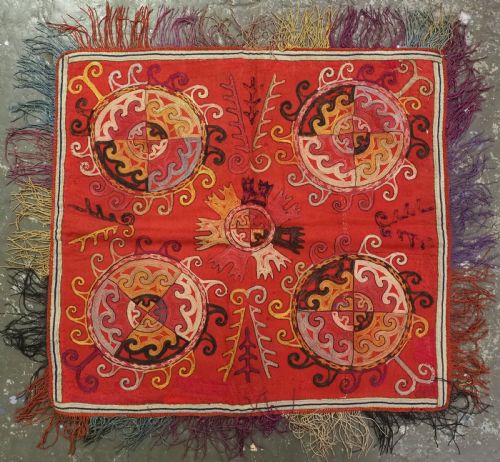
An ilgich is a specific type of embroidered hanging associated with Uzbek tribal groups, often created as dowry items for domestic display. They tend to be more compact and focused on specific decorative motifs.
Suzanis are generally larger embroidered panels covering wider surfaces. Both utilise fine needlework, but their scale and traditional domestic functions within Central Asian homes differ.
How are wooden shields and sculptures maintained?
Wooden artefacts require stable indoor humidity levels to prevent the timber from splitting or warping. Dusting with a soft, dry brush keeps the surface clean without introducing moisture.
Applying oils or polishes is generally unnecessary and can damage aged dry surfaces. Keeping pieces away from direct heat sources ensures the wood remains stable.
How do I identify nomadic weaving from different regions?
Regional styles reveal themselves through distinct colour palettes, wool qualities and geometric vocabulary. Turkmen weaving often employs deep reds and precise octagonal guls, while Uzbek embroidery uses bright silk floss on contrasting wool grounds.
African textiles rely on plant fibres like raffia and distinct cut-pile techniques. Comparing the structural ground and dye types helps pinpoint geographic origins.