




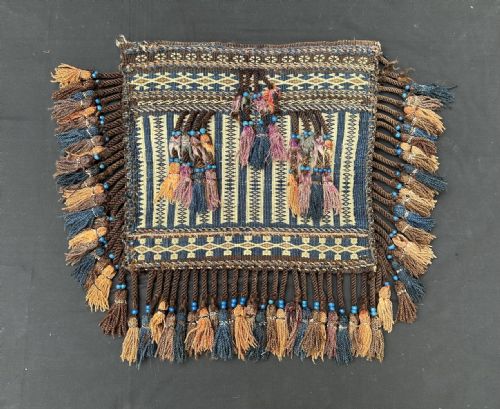
Tribal Textile Hanging
When choosing a tribal textile hanging, you select a piece of nomadic heritage defined by intricate wool work and cultural symbolism.
Tribal Textile Hanging
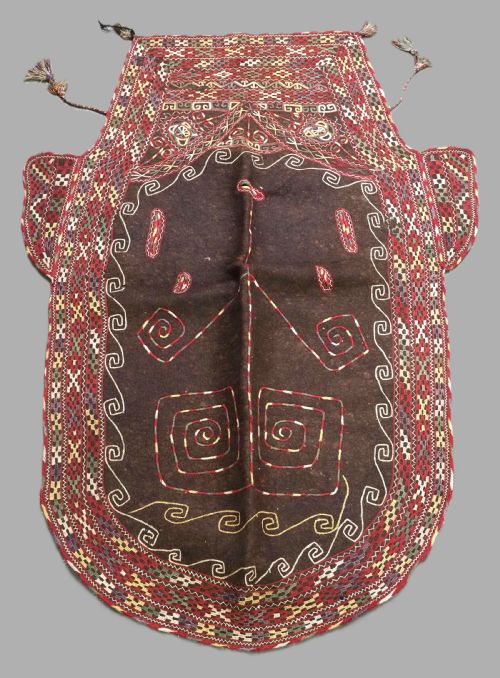
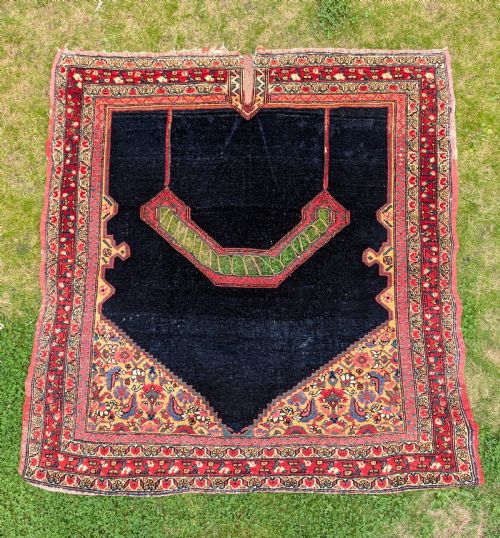
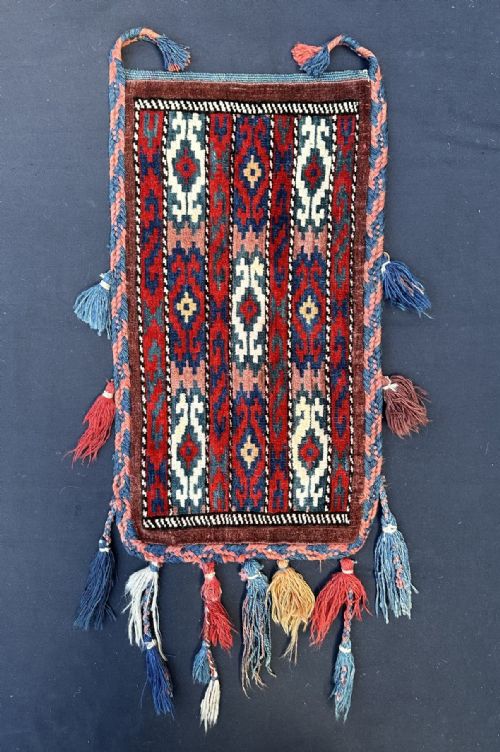
A tribal textile hanging encompasses various woven and embroidered nomadic items repurposed for display, including dowry embroideries, horse covers, and storage bags originating from Central Asia and Persia. These objects reflect the utilitarian roots of nomadic communities who utilised textiles for daily survival, transit, and ceremonial decoration within their tents.
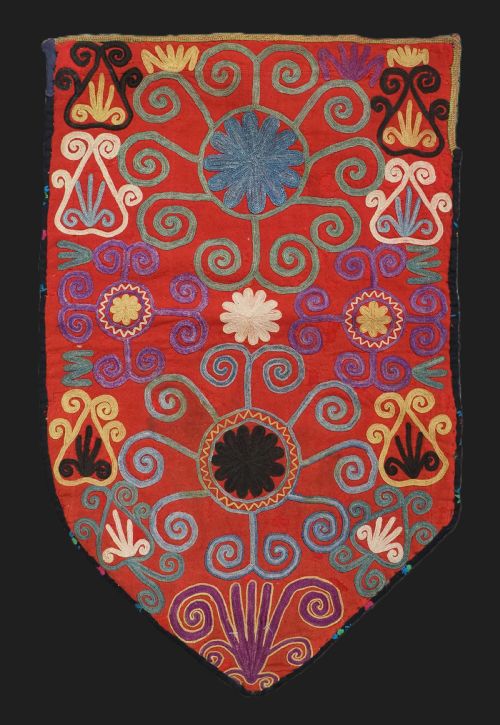
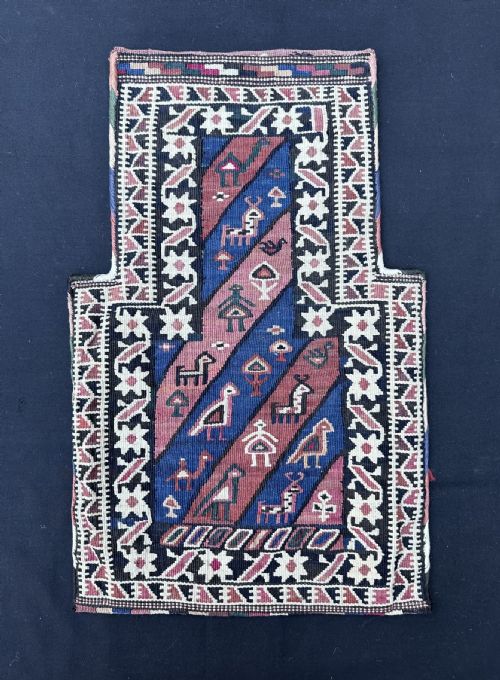
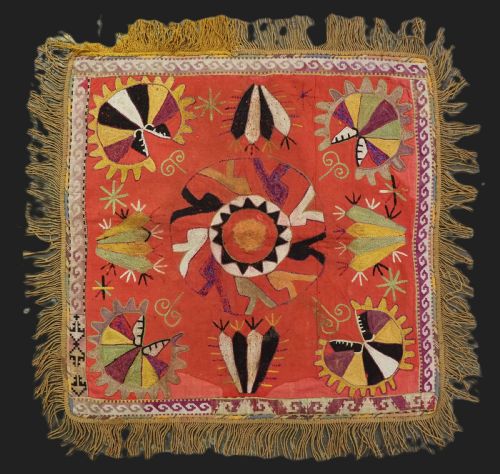
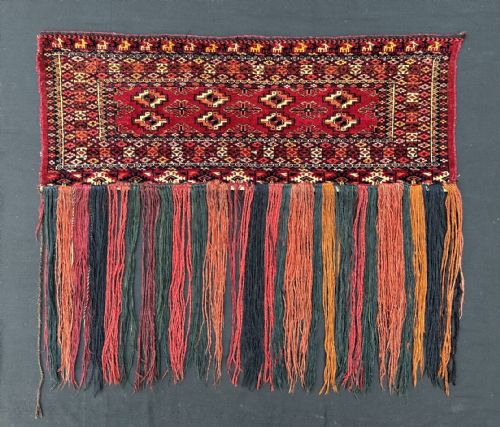
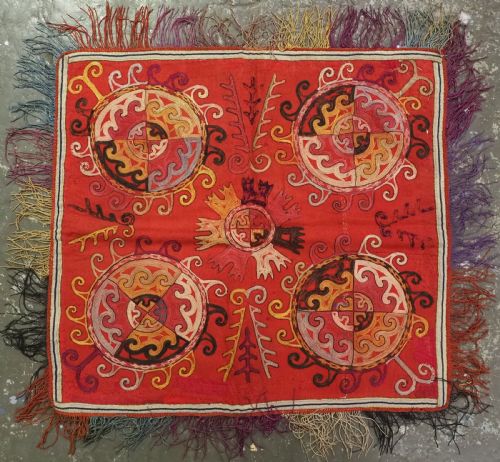
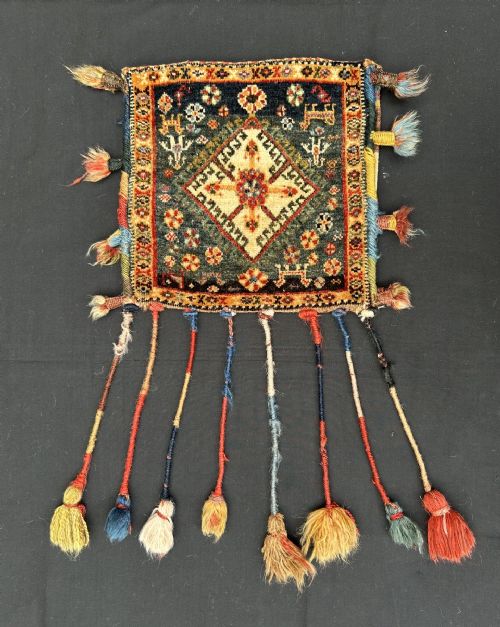
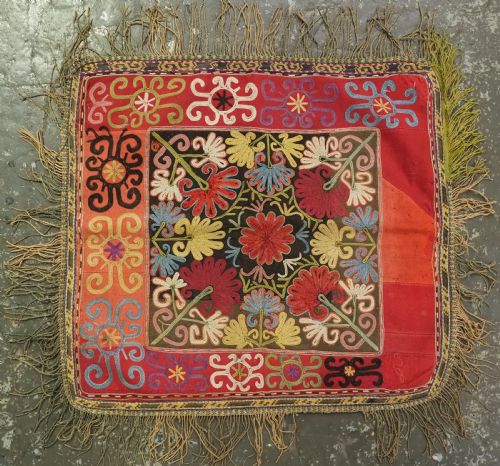
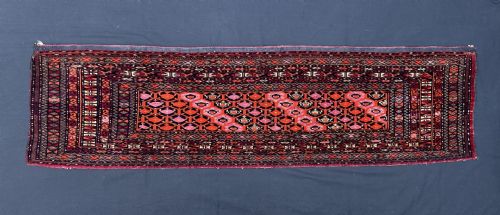
Collectors searching for this phrase most frequently encounter nineteenth and early twentieth-century examples such as Uzbek Lakaiilgich embroideries, Turkmen asmalyks, and Qashqai bagfaces. Such works demonstrate the diverse geographical origins represented in the evidence, spanning from Uzbekistan and Turkmenistan to the Fars province of Persia.
Materials and construction
Nomadic artisans worked primarily with hand-spun wool, cotton, and silk, employing natural dyes derived from plants and minerals to achieve lasting colour depth. These organic materials were woven on portable ground looms or decorated with dense embroidery stitches using cotton thread.
Specialised techniques such as felted wool construction, ikat dyeing, and the addition of glass beads distinguish the regional output. Makers combined these methods to produce durable functional objects like ceremonial horse blankets, wall hangings, and dowry bags intended to withstand rigorous nomadic life.
Tribal Textile Hanging Retail Price Guide 2026
Typical asking prices for tribal textile hanging among the pieces listed under this phrase on Sellingantiques today, from the lower quarter to the upper quarter. They describe what is for sale here now, not the wider market.
Listings feature pieces spanning the nineteenth and early twentieth centuries, constructed from wool, cotton, silk, and felted wool.
Judging quality and execution
The distinction between ordinary and exceptional examples rests upon the tightness of the weave, the precision of the embroidery work, and the complexity of the tribal iconography. Finer pieces display an assured command of traditional motifs and balanced composition without rigid symmetry.
The vibrancy and retention of natural dyes also dictate the standing of a textile, alongside the survival of original elements like tassels, borders, and backing fabrics. Superior examples exhibit harmonious colour palettes that have mellowed evenly over decades of exposure.
The Tribal Textile Hanging Glossary
- Ilgich
- An Uzbek dowry embroidery piece frequently used as a wall hanging. These textiles feature dynamic geometric or figurative needlework created by Lakai and other tribes.
- Asmalyk
- A large, pentagonal Turkmen camel trapping used during wedding processions. They were later collected as decorative wall hangings for their intricate field patterns.
- Ikat
- A dyeing technique where yarn is resist-dyed in patterns prior to weaving. This method creates the characteristic blurred, hazy outlines seen in Central Asian textiles.
- Jollar
- A long, rectangular Turkmen storage bag face. They were traditionally hung inside the yurt to hold household possessions.
- Sabra
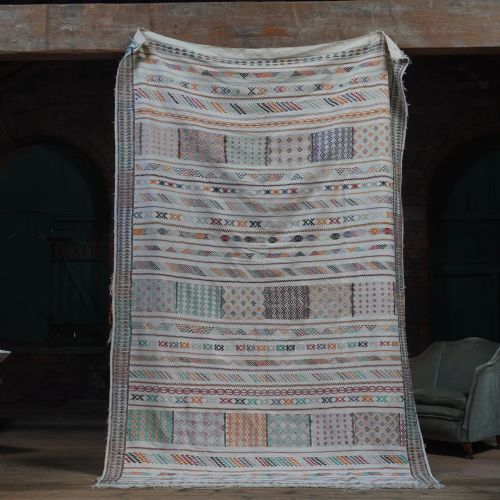
- A silk filament extracted from desert cactus plants. Moroccan weavers utilise this vegetable silk for flatweave kilim rugs and decorative hangings.
Tribal Textile Hanging: Frequently Asked Questions
What is a tribal textile hanging?
A tribal textile hanging is a woven or embroidered item originally created by nomadic groups in regions such as Central Asia, Persia, and North Africa for daily or ceremonial use. These functional objects, including animal trappings, storage bags, and dowry pieces, are now appreciated as decorative wall art.
They reflect the distinct cultural iconography and weaving traditions of specific tribes like the Yomut, Lakai, and Qashqai. Each piece provides a direct link to the domestic and ceremonial life of nineteenth and early twentieth-century nomads.
How were these textiles used originally?
Nomadic communities utilised these woven and embroidered pieces within their tents for storage, transport, and ceremonial celebrations. Items such as saddle covers, horse blankets, and utility bags served practical purposes during migration and daily encampment.
Many textiles also held significant social value, functioning as dowry elements or wedding decorations. They demonstrated the status, skill, and artistic heritage of the maker within the tribe.
How do I care for an antique textile hanging?
Antique textile hangings require protection from direct sunlight and excessive humidity to preserve the natural wool, cotton, or silk fibres. Mounting the piece evenly across a supportive backing helps distribute the weight and prevents strain on old stitches.
Professional cleaning should be undertaken sparingly and only by specialists familiar with historic natural dyes and fragile textiles. Regular gentle inspection for dust and pests ensures the longevity of the fabric.
How can I tell different tribal styles apart?
Tribal styles are distinguished by specific regional colour palettes, structural formats, and recurring geometric or zoomorphic motifs. Turkmen pieces frequently employ deep madder reds and distinct guls, while Persian nomadic items from the Qashqai or Afshar showcase vibrant blues and intricate compartment designs.
Examining the underlying weave, embroidery technique, and material composition offers further clues to geographic origin. Each tribal group maintained traditional visual vocabularies passed down through generations.