
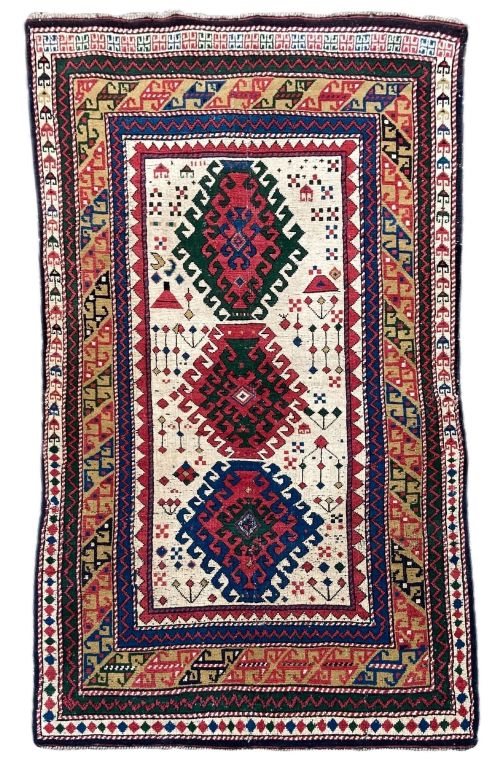
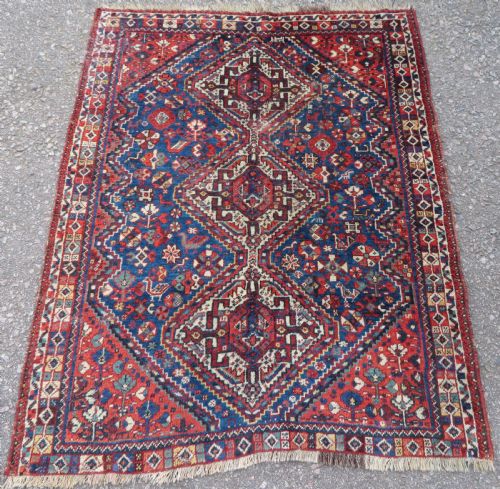
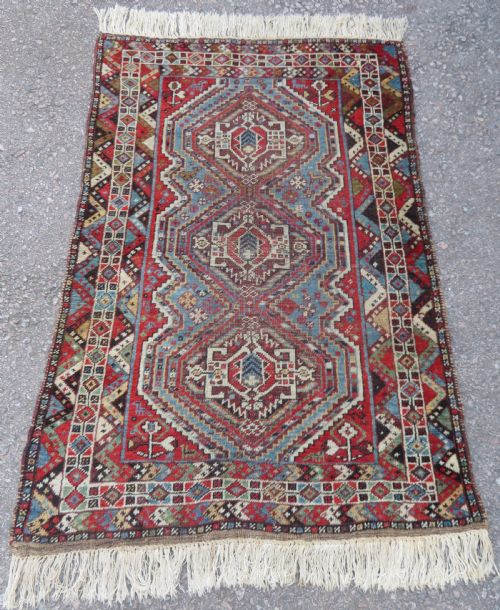
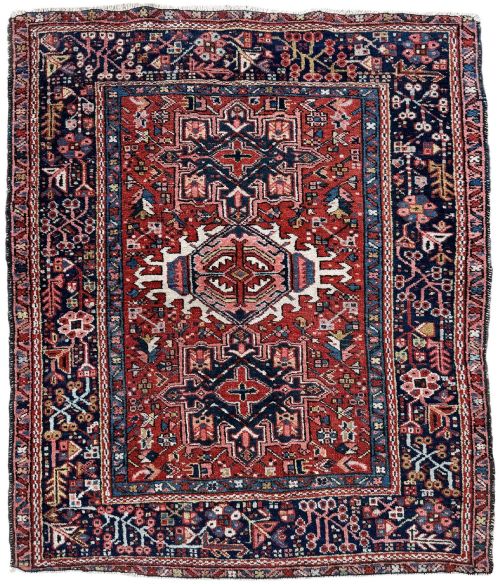
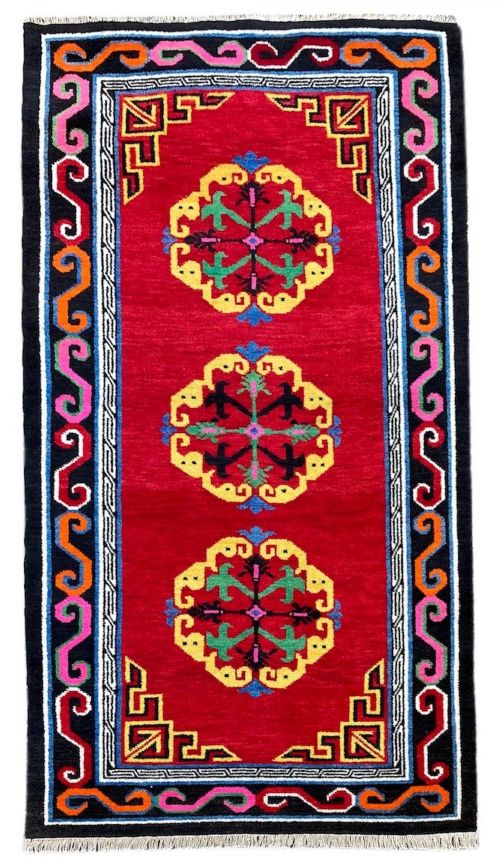
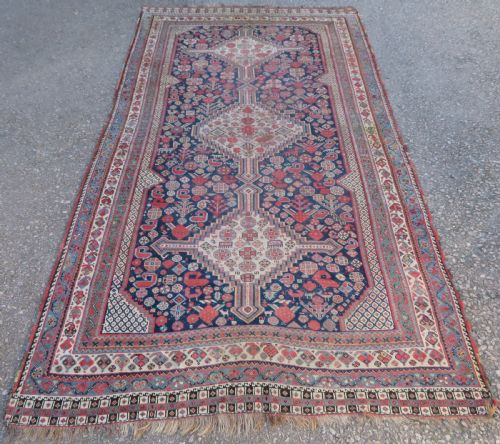



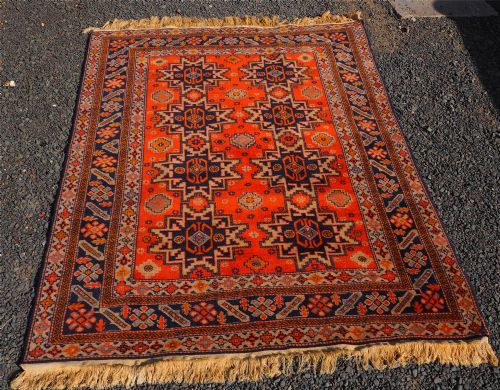
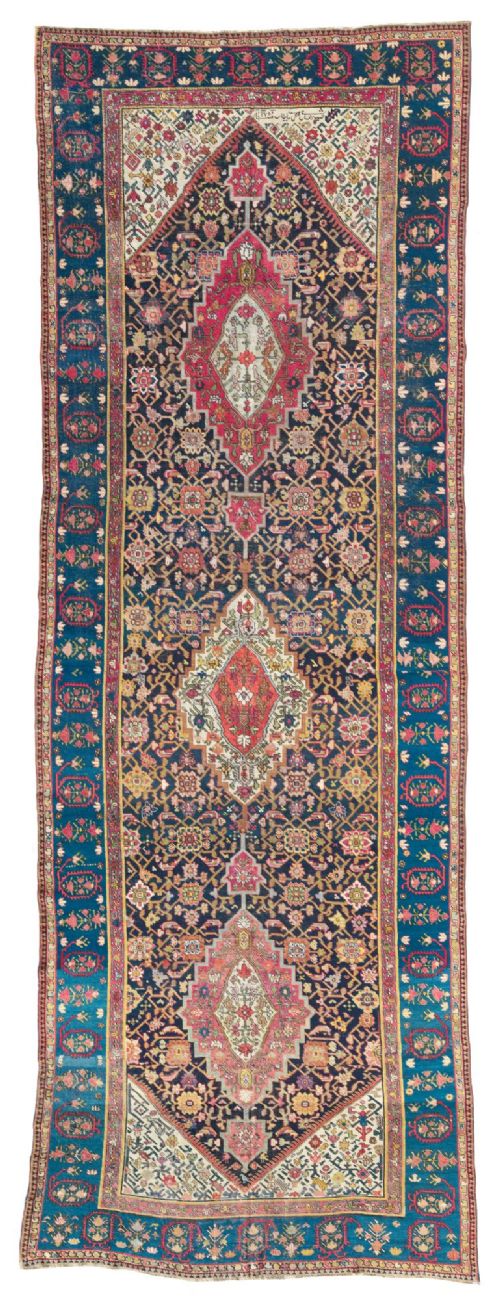
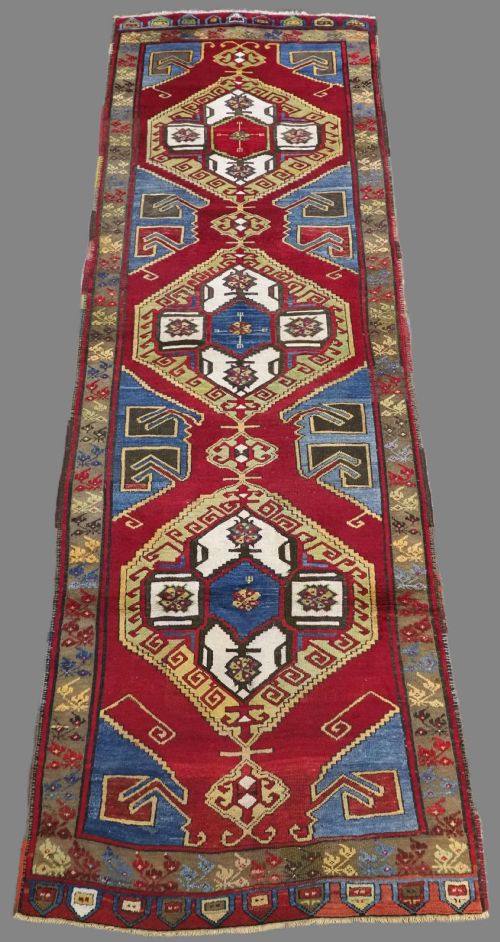
Tribal Medallion Runner
These tribal medallion runner pieces bring distinct village character and geometric designs into a room, offering durability and warmth underfoot.
Tribal Medallion Runner
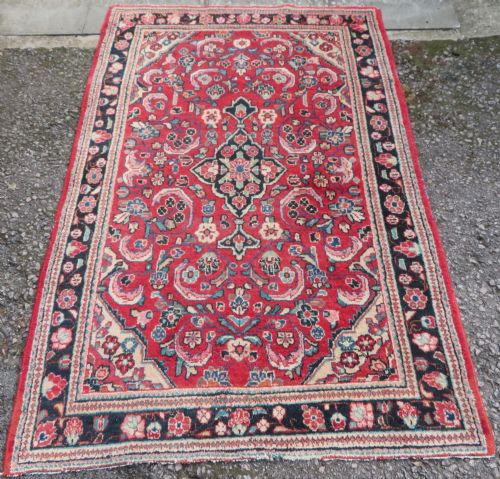
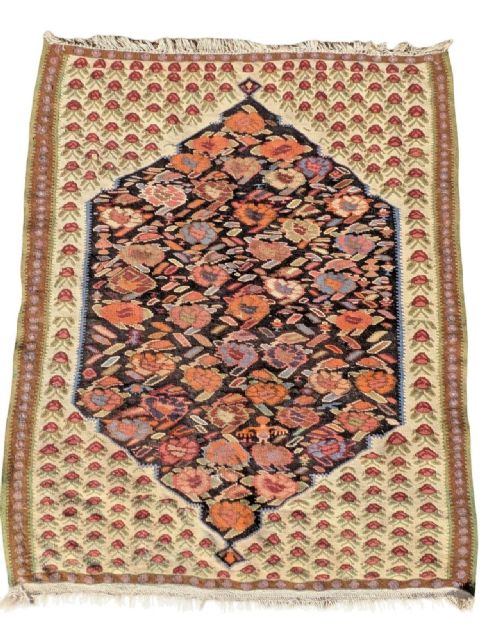
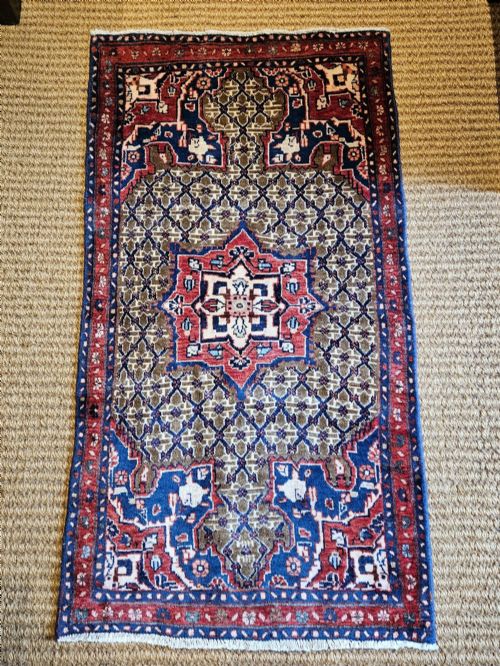
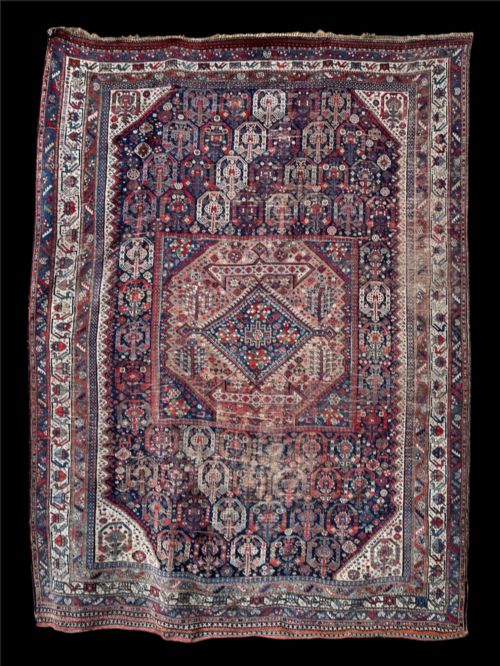
A tribal medallion runner represents a long, narrow format woven by nomadic and village weavers, typically featuring central geometric motifs down the field. These items span periods from the mid-nineteenth century through the early twentieth century, originating from Persian, Caucasian, and Anatolian regions.
The selections on this page encompass various traditional regional styles, including Kurdish, Bakhtiar, Kazak, and Khamseh designs. Buyers will encounter both dedicated runner formats and long rugs suited to hallway or gallery placement.
Materials and Construction
These textiles utilise wool, hand-spun wool, and cotton foundations to build a dense, resilient pile and stable structure. Weavers employed hand-knotting techniques to secure the wool yarns, creating durable surfaces designed for heavy daily use.
Natural dye materials provide the palette seen across these pieces, yielding deep mellow colours and contrasting navy blue tones. The interplay of hand-spun fibres and traditional dyeing methods produces subtle variations in shade across the length of each runner.
Some runners carry dates woven directly into the wool by weavers who marked the exact year their work left the loom.
Factors of Quality
Quality rests in the tightness of the knotting and the precision of the geometric layout within the central medallions. Finer piles and securely bound edges indicate careful workshop or domestic production.
The integrity of the wool and the depth of the palette dictate the longevity and visual impact of the piece. Uniformity in the weave along narrow dimensions shows the skill of the individual weaver.
The Tribal Medallion Runner Glossary
- Medallion
- A central ornamental motif placed in the field of a rug. It anchors the composition and often reflects regional tribal motifs.
- Runner
- A long, narrow carpet format designed primarily for hallways, corridors, and stairs. Dimensions typically stretch significantly longer than they are wide.
- Pile
- The upright yarn surface of a carpet that forms the tactile nap. It is constructed from wool secured to the foundation warp and weft.
- Warp
- The vertical threads stretched lengthwise on a loom that form the structural skeleton of the textile. Weft threads are interlaced across them horizontally.
- Kelim
- A flat-woven carpet or runner produced without a raised pile. These items rely entirely on the interlocking of warp and weft threads to form the pattern.
Tribal Medallion Runner: Frequently Asked Questions
Where should I place a runner?
These long formats suit hallways, corridors, kitchens, and bedside spaces where narrow floor areas benefit from warmth and pattern.
Their proportions guide foot traffic and protect wooden flooring in high-use circulation routes.
How do I identify a tribal design?
Tribal designs rely on geometric motifs, repeating angular symbols, and stylized animal or plant forms rather than precise court curves. Weavers drew these patterns from memory and local tradition.
The resulting patterns often display charming irregularities and distinct regional palettes unique to specific confederacies or villages.
Are these runners made of pure wool?
Many examples utilise wool and hand-spun wool for the pile, often combined with cotton foundations for stability.
This material combination provides natural resilience and helps the pile spring back under regular foot traffic.
How do I care for an older wool runner?
Regular gentle vacuuming without a beater bar removes trapped grit from the wool pile. Professional cleaning suited to antique textiles preserves the natural lanolin in the fibres.
Placing an appropriate underlay beneath the piece prevents slipping and reduces friction against the floor.