






Tribal Mask
A tribal mask carries the presence of distant rituals and distinct maker hands, bringing potent wooden sculpture and patinated metal directly into a modern room.
Tribal Mask
When you search for a tribal mask, you enter a diverse field of ritual artefacts, performance headwear, and sculptural carvings originating from African, Asian, and Indonesian traditions. These objects span the nineteenth century through the early twentieth century, encompassing works from regions such as the Congo, Gabon, Ivory Coast, Nepal, Tibet, and India.
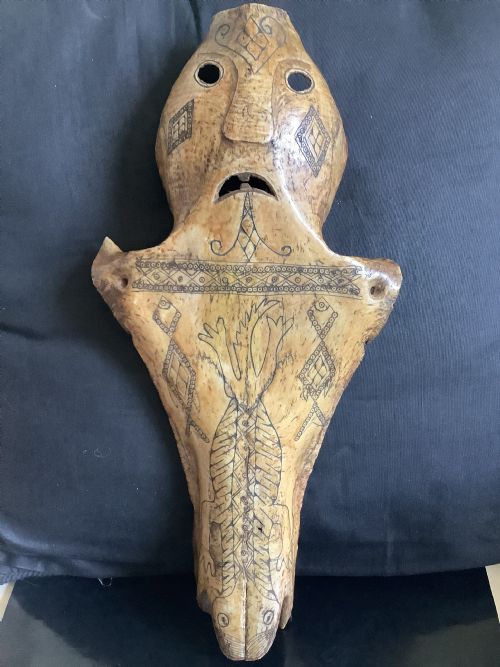
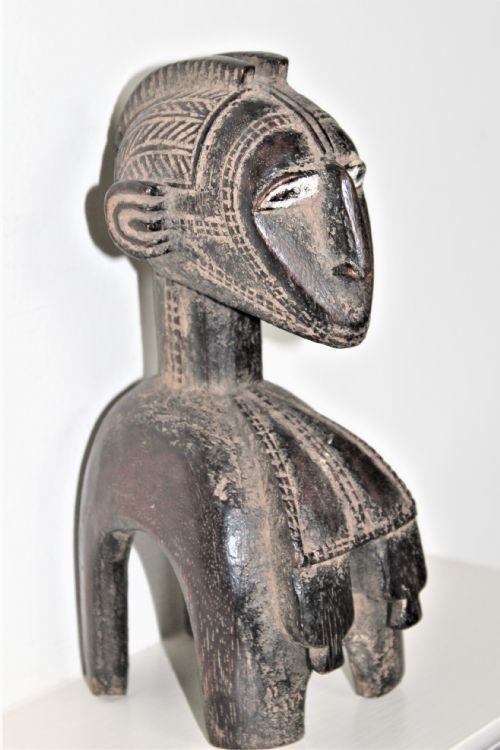
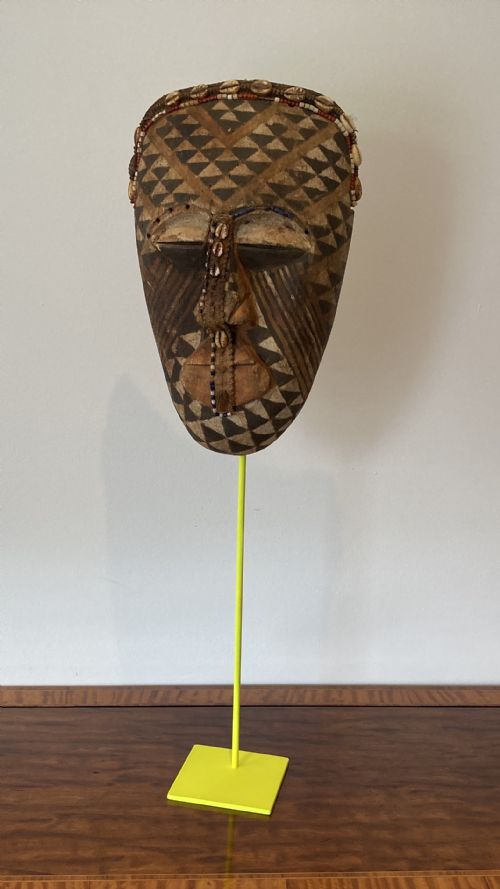
The pieces appearing on this page range from full shoulder masks and dance helmets to demon masks, reliquary guardians, and bronze busts. Wooden forms dominate the selection, often enhanced with pigment or kaolin, alongside occasional examples in brass, bronze, bone, and mixed metals.
You are most likely to encounter nineteenth-century African wooden masks from specific cultural groups like the Kuba, Punu, Songye, and Baule, as well as Himalayan folk art and South Indian ritual pieces. Each object reflects the distinct aesthetic conventions and ceremonial functions of its specific origin.
How they were made
The makers of these pieces relied primarily on hand-carving techniques, working blocks of wood using adzes, chisels, and knives to shape expressive facial structures and geometric patterns. Surfaces were frequently treated with organic pigments, kaolin, or patinated through generations of handling and ritual use.
Metal objects in the selection utilise traditional casting methods, particularly lost-wax casting for bronze and brass busts and masks. Bone items demonstrate careful incising and polishing, showing mastery over dense organic materials to create detailed skulls and ritual ornaments.
Tribal Mask Retail Price Guide 2026
Typical asking prices for tribal mask among the pieces listed under this phrase on Sellingantiques today, from the lower quarter to the upper quarter. They describe what is for sale here now, not the wider market.
Every carved demon or dancer carries the quiet gaze of a maker who lived centuries ago.
What varies in quality
Quality rests upon the strength of the carving and the coherence of the sculptural form, distinguishing confident regional artistry from routine production. The handling of proportions, facial symmetry, and surface expression dictates the visual impact of each mask.
The character of the surface skin matters deeply, where authentic pigment application, accumulated patina, and wear marks reveal the history of the object. Pieces that retain their original kaolin or earth pigments without modern intervention command greater attention from collectors.
The Tribal Mask Glossary
- Patina
- The surface sheen and colour developed through handling, age, and exposure to ritual environments over many years. It serves as a primary indicator of authenticity and history.
- Kaolin
- A fine white clay utilised across various cultures for ritual body and mask decoration. It provides striking contrast against dark carved wood surfaces.
- Reliquary
- A container or guardian figure designed to hold ancestral remains or sacred relics. These sculptures protect sacred spaces within specific cultural traditions.
- Lost-wax
- A metal casting method where a molten alloy replaces a wax model inside a mould. This technique enables the creation of intricate bronze and brass sculptures.
Tribal Mask: Frequently Asked Questions
How were tribal masks used?
These objects served active roles in ceremonies, dances, agricultural rites, and ancestral veneration rather than static display. Dancers wore them to embody spirits, ancestors, or moral lessons during community rituals.
Their physical presence and symbolic decoration helped mediate between the living community and the spiritual realm. Over time, many gathered significant patina through repeated use in these traditional contexts.
How do I display a mask?
Mounting a carved mask or headdress requires a stable custom metal stand that supports the weight without damaging the original wood or metal structure. Placing them against plain walls or on dedicated pedestals allows the sculptural forms to stand out clearly.
Keep them away from direct sunlight and sudden humidity changes to protect vulnerable organic materials like wood, bone, and pigment. Proper placement preserves the structural integrity of these historical items.
Are these pieces authentic?
Authenticity is assessed by examining tool marks, wood density, surface wear, and the natural accumulation of patina consistent with nineteenth and early twentieth-century production. Each cultural tradition employs specific carving styles and regional conventions that help verify origin.
Expertise involves comparing known pieces from specific groups like the Kuba or Punu against available examples. Natural ageing of materials remains a key factor in confirming period manufacture.
What materials are common?
Wood forms the primary medium for the vast majority of masks and sculptures, frequently embellished with earth pigments and white kaolin. Metal items, including bronze and brass, appear particularly in West African and Himalayan traditions.
Less common materials like bone and mixed media also feature in specific regional works such as ritual skulls or headdresses. Each material dictates specific conservation needs and handling approaches.